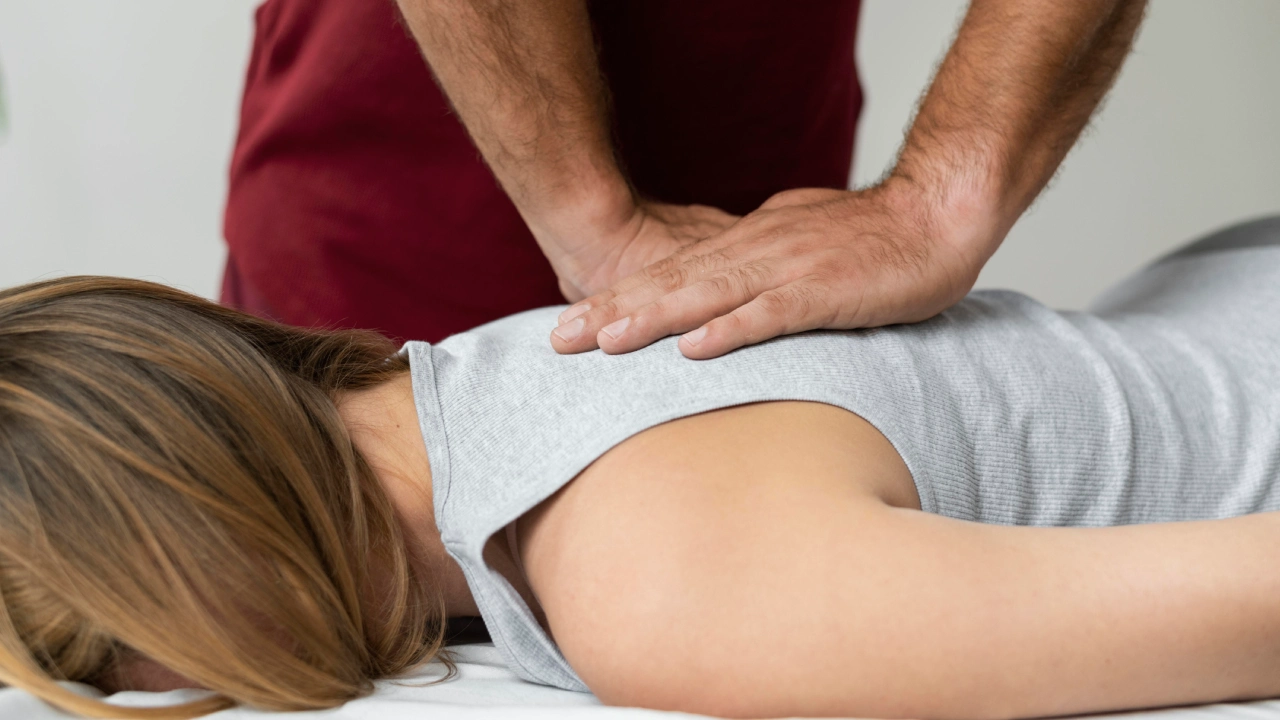
Discover How Body Alignment Influences Back and Joint Health with Osteopathy in Hamilton
Chronic back and joint pain can affect almost every aspect of daily life. From sitting at a desk and driving to walking, exercising, and completing household activities, persistent discomfort can make ordinary movements challenging. Many people experience recurring stiffness, restricted mobility, muscle tension, and joint discomfort without knowing what may be contributing to these problems.
Posture, movement habits, muscle imbalances, previous injuries, and repetitive physical activities can all influence how the body moves and functions. When different parts of the musculoskeletal system do not work together efficiently, certain muscles and joints may experience additional physical stress.
This is where Osteopathy can play a role in musculoskeletal care. It focuses on the relationship between muscles, joints, bones, and connective tissues to examine how the body moves as a whole. Through hands-on assessment and appropriate manual techniques, osteopathic care aims to address movement restrictions and support normal physical function.
At Wellness Flowz, individuals in Hamilton can explore osteopathic care for concerns involving persistent back discomfort, joint stiffness, posture-related strain, and movement limitations. Learning how body alignment influences everyday movement can help individuals make informed decisions about managing recurring musculoskeletal concerns.
What Is Osteopathy, and How Does It Work?
Osteopathy is a form of manual healthcare that focuses on the musculoskeletal system, including bones, muscles, joints, ligaments, and connective tissues. It considers how these structures interact during everyday movements and how restrictions in one area may influence other parts of the body.
For example, limited movement in the hips may affect how someone walks, stands, or bends. Similarly, restricted upper-back movement may influence shoulder positioning and neck mobility. These connections demonstrate why examining only the location of discomfort may not provide a complete picture of a movement-related concern.
An osteopathic practitioner may assess:
- Joint mobility and movement patterns.
- Muscle tension and flexibility.
- Posture during standing and sitting.
- Spinal movement and positioning.
- Balance and coordination.
- Areas of restricted movement.
- Previous injuries and activity-related strain.
Depending on the assessment, manual care may involve gentle joint mobilization, soft-tissue techniques, stretching, and other hands-on approaches.
Osteopathy does not assume that every person’s symptoms have the same cause. The assessment considers individual movement patterns, medical history, physical activities, and reported symptoms before determining whether manual care is appropriate.
How Body Alignment Influences Back and Joint Health
Body alignment refers to how different body structures are positioned in relation to one another during standing, sitting, walking, and other activities.
Although the body does not need to maintain one rigid posture, the way muscles and joints coordinate can influence the distribution of physical loads.
When certain areas experience repeated strain, surrounding muscles may work harder to maintain stability. Over time, this can contribute to muscle fatigue, stiffness, and movement difficulties.
Here are several ways alignment can influence everyday physical function.
Spinal Position and Back Discomfort
The spine provides structural support and allows the body to bend, rotate, and maintain balance. Prolonged sitting, repetitive bending, and poor movement habits may contribute to back stiffness or muscular discomfort.
For instance, spending several hours working at a computer without changing positions can place repeated demands on the neck, shoulders, and lower back.
An assessment may examine spinal mobility, surrounding muscle function, and the way a person moves during everyday activities.
Hip Position and Lower Back Movement
The hips play an important role in walking, lifting, bending, and maintaining balance. Restricted hip mobility may change how someone performs these movements.
When the hips do not move comfortably, the lower back may compensate during certain activities. This does not mean hip restrictions always cause back discomfort, but examining both regions can help identify movement-related factors.
Shoulder Position and Upper-Back Function
The shoulders and upper back work together during reaching, lifting, carrying, and overhead activities.
Limited movement in the upper back or shoulder joints may affect how these actions are performed. An assessment can examine shoulder mobility, muscle coordination, and posture to identify possible movement restrictions.
Common Causes of Chronic Back and Joint Pain
Recurring discomfort rarely has only one possible cause. Several physical, occupational, and lifestyle factors may contribute to musculoskeletal symptoms.
Understanding these factors can help individuals recognize when an assessment may be appropriate.
Prolonged Sitting
Office workers, drivers, and people who spend significant time using computers may remain in similar positions for extended periods.
Limited movement throughout the day can contribute to stiffness around the hips, lower back, neck, and shoulders.
Taking short movement breaks, changing sitting positions, and adjusting workstation height may help reduce unnecessary physical strain.
Repetitive Movements
Jobs involving repeated lifting, bending, reaching, or twisting can place repeated demands on particular muscle groups and joints.
Without sufficient recovery time, some areas may become fatigued or uncomfortable.
Previous Injuries
A previous sports injury, workplace incident, or accident may affect how someone moves.
Even after an injury has been assessed, some individuals may continue to experience movement restrictions or altered activity patterns. A qualified healthcare practitioner can examine these concerns and determine whether further assessment is required.
Reduced Physical Activity
Limited physical activity may contribute to reduced muscular endurance, joint stiffness, and difficulty performing everyday movements.
Regular movement helps maintain mobility, strength, and coordination. However, activity levels should reflect individual physical capacity and health circumstances.
Age-Related Changes
As people age, changes in joint structures, muscle strength, flexibility, and spinal tissues may influence movement.
Recurring joint discomfort should not automatically be considered a normal part of aging. Persistent or worsening symptoms deserve appropriate clinical assessment.
How Osteopathic Care May Support Chronic Back Discomfort
Back discomfort can involve different structures, including muscles, joints, ligaments, and spinal tissues. The source of symptoms can vary considerably between individuals.
Osteopathy may be considered as one part of a wider approach to managing certain musculoskeletal concerns.
Addressing Muscle Tension
Muscle tension may develop following repetitive activity, prolonged positioning, or physical strain.
Hands-on soft-tissue techniques may be used to work with affected muscle groups, depending on the individual’s assessment findings.
The purpose is to address areas of muscular restriction and support comfortable movement.
Supporting Spinal Mobility
Restricted spinal movement can make activities such as bending, turning, and reaching difficult.
An osteopathic assessment may examine how different spinal regions move and whether surrounding muscles contribute to movement limitations.
Appropriate manual techniques may be used when clinically suitable.
Examining Connected Body Structures
Back discomfort may involve more than the area where symptoms are felt.
For example, the hips, pelvis, and lower-back muscles work together during walking and lifting. Examining these connected structures can help identify movement patterns that may contribute to physical strain.
Encouraging Functional Movement
Daily activities require coordinated movement across multiple joints and muscle groups.
Alongside hands-on care, practitioners may discuss movement habits, activity adjustments, and exercises that support everyday function.
How Osteopathy May Help with Joint Stiffness
Joint stiffness can affect the knees, shoulders, hips, wrists, ankles, and other areas.
It may develop following reduced activity, repetitive movements, previous injuries, or age-related structural changes.
Osteopathy may involve an assessment of joint movement and surrounding soft tissues to determine whether manual care is suitable.
Some areas that may be examined include:
Knee mobility: Knee stiffness can make walking, climbing stairs, squatting, and standing from a seated position difficult. Assessment may include knee movement, surrounding muscle function, and hip and ankle mobility.
Shoulder movement: Shoulder restrictions may affect reaching overhead, dressing, lifting objects, and performing household tasks. Assessment may examine shoulder movement alongside upper-back and neck function.
Hip flexibility: The hips contribute to walking, sitting, bending, and maintaining balance. Restricted movement may affect how the lower body performs these activities.
Neck mobility: Neck stiffness can make turning the head, checking blind spots while driving, and maintaining comfortable working positions difficult.
Ankle movement: Limited ankle mobility may influence walking patterns, balance, and stair navigation.
The appropriate care plan depends on the underlying cause of the symptoms. Some joint conditions require medical assessment rather than manual therapy alone.
Five Signs You May Need an Osteopathic Assessment
Recognizing recurring movement difficulties can help individuals decide when to seek professional advice.
The following signs may indicate that an assessment is worth considering.
1. Frequent Lower Back Stiffness
If your lower back feels stiff after sitting, driving, or waking up, it may be worth examining your movement habits and physical activity levels.
Persistent symptoms should be assessed to identify possible contributing factors.
2. Discomfort During Everyday Movements
Difficulty bending, reaching, lifting, or turning may indicate restricted movement or an underlying musculoskeletal concern.
An assessment can examine which movements reproduce symptoms and whether further investigation is needed.
3. Recurring Neck and Shoulder Tension
People who work at desks or perform repetitive upper-body activities may experience recurring neck and shoulder discomfort.
Examining posture, shoulder mobility, and upper-back movement may help identify relevant physical factors.
4. Joint Stiffness After Periods of Inactivity
Some individuals notice stiffness after sitting for extended periods or remaining in one position.
Changes in activity habits and an appropriate clinical assessment may help address these concerns.
5. Movement Changes Following an Injury
If you notice altered walking patterns, reduced flexibility, or difficulty performing familiar activities following an injury, a healthcare assessment may be appropriate.
An osteopathic practitioner can determine whether the concern falls within their scope of practice or requires referral to another healthcare professional.
What Happens During an Osteopathic Appointment?
Knowing what to expect during an appointment can help individuals prepare for their first visit.
At Wellness Flowz, an appointment may involve several stages, depending on the services available and the individual’s needs.
Step 1: Initial Health Discussion
The practitioner may ask about your symptoms, medical history, previous injuries, occupation, physical activities, and everyday movement difficulties.
This discussion helps establish what has been happening and whether additional medical assessment is necessary.
Step 2: Physical Assessment
A physical examination may include observing posture, checking joint mobility, examining muscle function, and assessing movements related to your concerns.
The practitioner may also ask you to perform certain movements to identify restrictions or symptom patterns.
Step 3: Discussion of Assessment Findings
After the examination, the practitioner can explain the findings and discuss possible contributing factors.
They should also explain the scope of manual care, expected considerations, and any limitations.
Step 4: Manual Care
If appropriate, hands-on techniques may be used to address identified movement restrictions.
The methods selected depend on the assessment, your comfort, and any relevant medical considerations.
Step 5: Activity and Movement Recommendations
You may receive suggestions regarding posture, movement breaks, physical activity, or exercises that support everyday mobility.
The number of appointments required varies according to the nature of the concern, individual response, and clinical findings.
Everyday Habits That Support Healthy Body Alignment
Professional assessment is only one part of musculoskeletal care. Daily habits also influence how the body moves and handles physical demands.
Consider incorporating the following practices into your routine.
Maintain Movement Throughout the Day
Avoid remaining in one position for excessively long periods. Stand up, walk briefly, and change positions regularly during desk work or extended driving.
Adjust Your Workstation
Position your computer screen at a comfortable viewing height. Keep frequently used items within easy reach and use a chair that supports a comfortable sitting position.
Practise Gentle Stretching
Gentle stretching may help maintain flexibility in the hips, shoulders, legs, and back.
Avoid forcing movements or stretching through sharp discomfort.
Include Regular Physical Activity
Walking, swimming, cycling, and other suitable activities can support general fitness and muscular endurance.
Start at a manageable level and gradually adjust activity according to your physical capacity.
Pay Attention to Lifting Movements
When lifting objects, keep them close to your body and avoid sudden twisting movements. Use your legs and hips as part of the lifting movement rather than relying entirely on your lower back.
Maintain Consistent Sleep Habits
Adequate sleep supports general health and physical recovery. A comfortable sleeping position and suitable mattress may also contribute to a more comfortable morning routine.
Who May Consider Osteopathic Care in Hamilton?
Osteopathic care may be considered by adults experiencing certain movement-related concerns, depending on their health circumstances and clinical assessment.
People who may wish to explore this form of care include:
- Office workers experiencing recurring neck and back stiffness.
- Individuals with physically demanding occupations.
- Adults experiencing joint mobility restrictions.
- Recreational athletes managing muscular strain.
- People returning to everyday activities following an injury.
- Individuals experiencing movement difficulties associated with prolonged sitting.
- Older adults seeking assessment of age-related mobility concerns.
However, not every type of back or joint pain is suitable for manual care. Conditions involving fractures, infections, inflammatory diseases, nerve compression, or other serious medical concerns require appropriate medical assessment.
If symptoms are sudden, severe, progressive, or accompanied by weakness, numbness, bladder or bowel changes, fever, or unexplained weight loss, seek prompt medical attention.
Why Consider Wellness Flowz for Osteopathic Care in Hamilton?
Choosing a healthcare provider involves considering professional qualifications, communication, clinical assessment, and the suitability of the services available.
Wellness Flowz serves as a point of contact for individuals in Hamilton who are exploring osteopathic care for musculoskeletal concerns.
When considering an appointment, individuals may wish to discuss:
- Whether the practitioner holds appropriate registration and qualifications.
- Whether their symptoms fall within the practitioner’s scope of practice.
- What the initial assessment involves.
- Which manual techniques may be considered.
- Whether additional medical assessment is necessary.
- What appointment frequency may be appropriate?
- Whether exercises or activity adjustments may form part of care.
Clear communication is important throughout the process. Individuals should feel comfortable discussing their symptoms, asking questions, and sharing concerns about any proposed techniques.
At Wellness Flowz, the focus is on assessing movement-related concerns and discussing suitable care options based on individual circumstances.
Frequently Asked Questions (FAQs)
1. Can Osteopathy help with chronic back pain?
Osteopathy may help some individuals manage certain types of musculoskeletal back discomfort. Care may involve assessing spinal mobility, muscle tension, posture, and movement patterns. However, results vary, and persistent back pain should be evaluated to identify its underlying cause.
2. How many osteopathic appointments are needed?
The number of appointments depends on the nature of the symptoms, health history, assessment findings, and individual response to care. Some concerns may require only a limited number of visits, while others may need ongoing assessment. Your practitioner can discuss an appropriate appointment schedule.
3. Is osteopathic treatment suitable for joint stiffness?
It may be suitable for certain movement-related joint concerns. However, joint stiffness can result from several conditions, including arthritis, previous injuries, and inflammatory disorders. A clinical assessment is necessary to determine whether manual care is appropriate.
4. What is the difference between osteopathy and physiotherapy?
Both approaches address musculoskeletal health, but their methods and clinical frameworks may differ. Osteopathic care commonly includes hands-on assessment and manual techniques, while physiotherapy may involve exercise-based rehabilitation, movement training, physical modalities, and manual care. The appropriate option depends on the condition and individual needs.
5. When should I visit an osteopathic practitioner in Hamilton?
Consider arranging an assessment if you have recurring muscle tension, joint stiffness, restricted mobility, or movement difficulties that affect daily activities. However, seek medical attention first when symptoms suggest a serious underlying condition or require diagnostic investigation.
Take the Next Step
Persistent back discomfort, joint stiffness, and restricted mobility can make everyday activities challenging. Recognizing how posture, muscle function, and joint movement interact is an important part of making informed decisions about musculoskeletal care.
Osteopathy provides a hands-on approach to examining movement restrictions and assessing the relationship between different body structures. When clinically appropriate, it may form part of a wider plan that includes physical activity, movement education, and other healthcare services.
If you are in Hamilton and experiencing recurring back or joint discomfort, connect with Wellness Flowz to discuss your concerns and inquire about an assessment.
Contact Wellness Flowz today to learn more about available osteopathic services in Hamilton and take an informed step towards improved mobility and everyday physical function.
Phone: +1 365-323-0629
Address: 25 Charlton Ave E #202, Hamilton, ON L8N 1Y2, Canada