Lymphedema Clinic in Hamilton
Welcome to Wellness Flowz Lymphatic Recovery Center, Hamilton’s dedicated clinic for specialized lymphedema management and long-term care. Lymphedema is a chronic condition that requires personalized attention, skilled care, and proven therapies. Our mission is to help you reduce swelling, manage symptoms, restore mobility, and regain comfort and confidence in your daily life.
What is lymphedema?
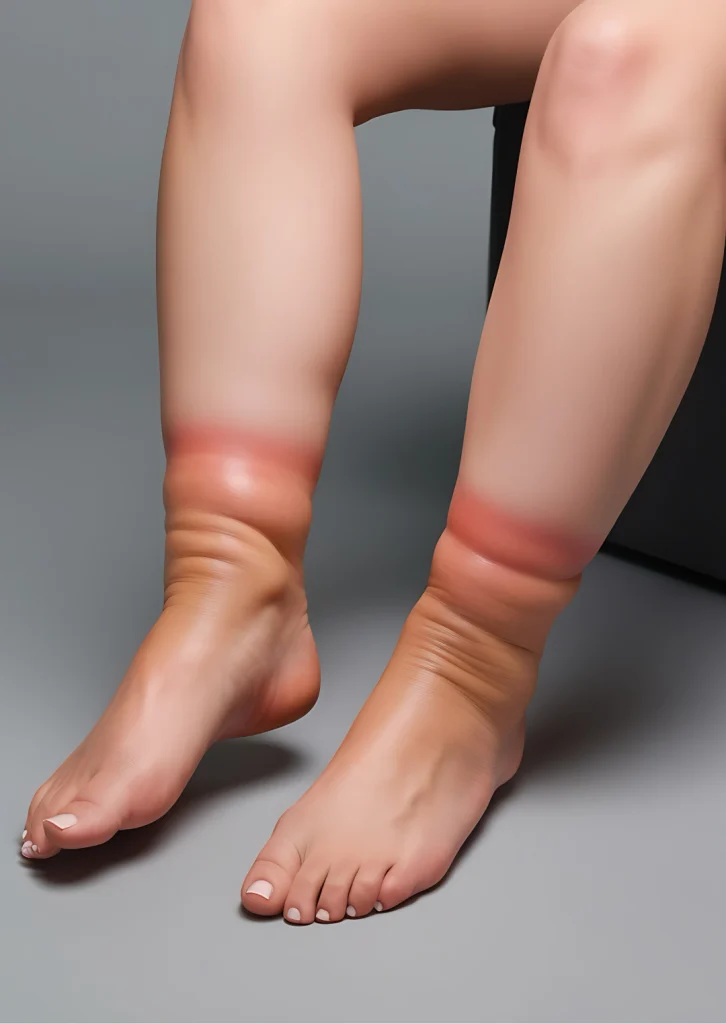
Lymphedema is a chronic condition characterized by localized fluid retention and tissue swelling caused by a compromised lymphatic system. When lymph fluid cannot drain properly, it accumulates in the subcutaneous tissue, most commonly affecting the arms or legs, though it can also occur in the chest, abdomen, neck, or head.
Common Types of Lymphedema
- Primary Lymphedema: A congenital or hereditary condition where the lymphatic system develops abnormally from birth or develops later in life without an external cause.
- Secondary Lymphedema: The most common form, occurring when lymph nodes or vessels are damaged or removed due to surgery, cancer treatment (radiation or node removal), infection, or trauma.
Common Symptoms of Lymphedema
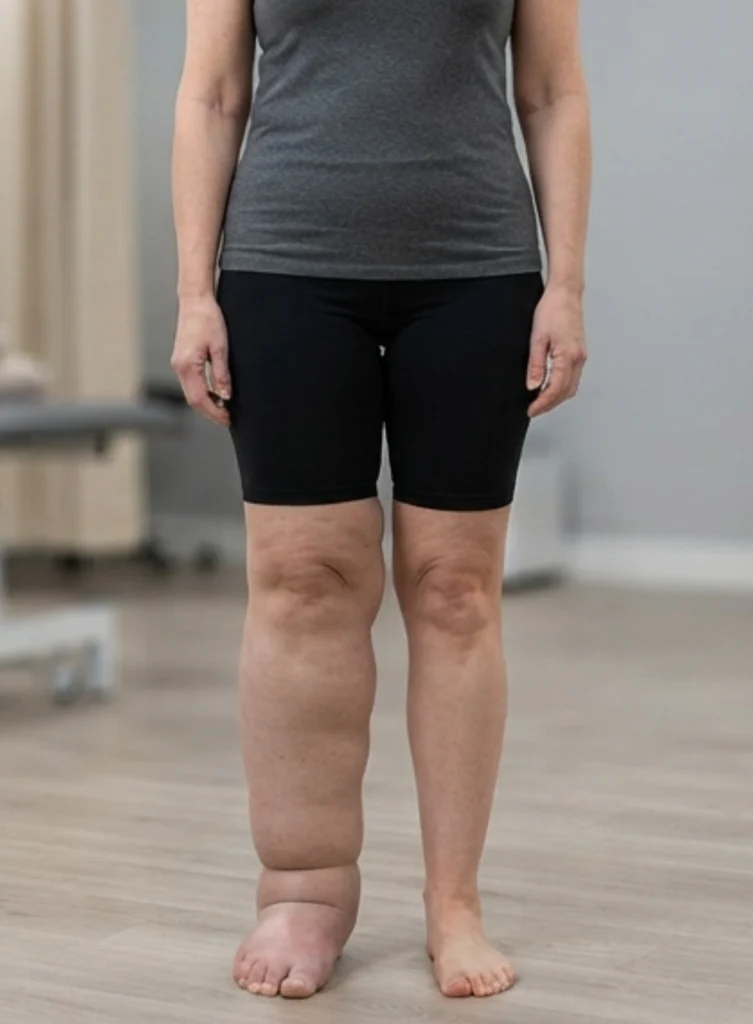
- Swelling in part or all of an arm, leg, hand, or foot
- A feeling of heaviness, tightness, or fullness in the affected limb
- Restricted range of motion or joint stiffness
- Recurring skin infections (such as cellulitis)
- Hardening or thickening of the skin (fibrosis)
- Tight-fitting clothing, rings, or shoes in specific areas
Lymphedema Management at Wellness Flowz
At Wellness Flowz, we utilize evidence-based non-invasive therapies designed to clear stagnant fluid, protect skin integrity, and prevent disease progression.
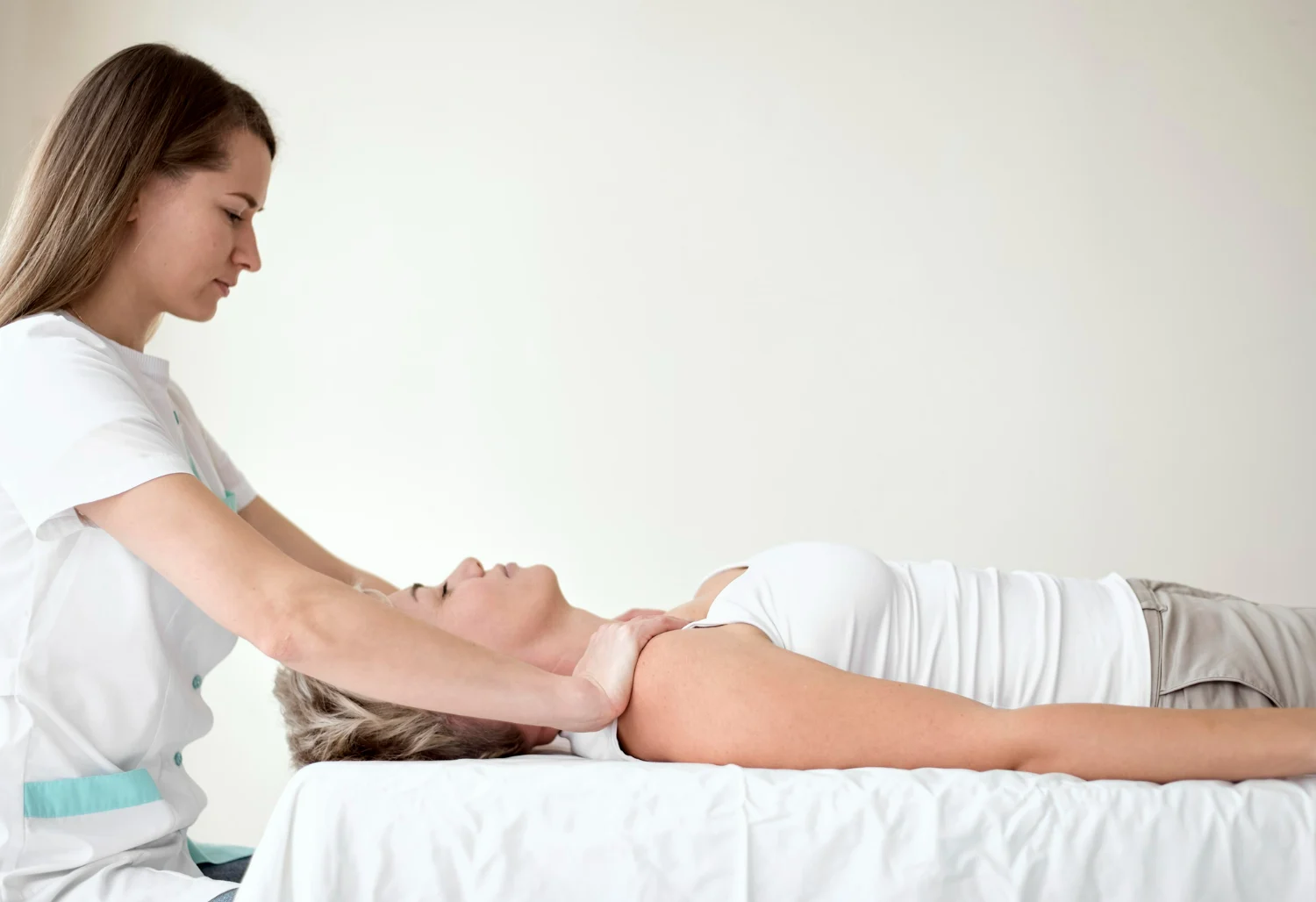
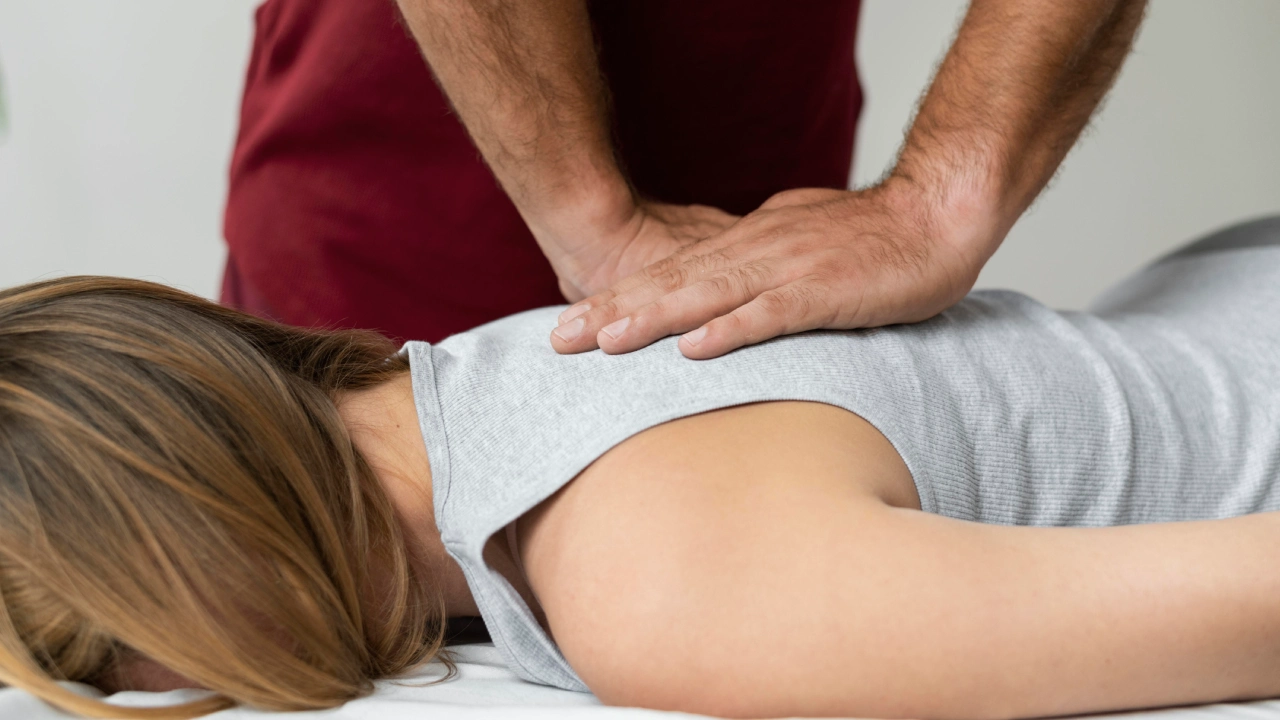
- Manual Lymphatic Drainage (MLD): A highly specialized, light-touch manual therapy that redirects lymph fluid away from congested or damaged areas toward healthy, fully functioning lymph structures.
- Compression Therapy & Bandaging: To preserve the progress achieved during MLD, customized compression garments or short-stretch bandaging systems are applied. Compression provides external pressure to prevent fluid from re-accumulating and supports tissue remodeling.
- Remedial Movement & Exercise: Guided, gentle exercises designed to work in synergy with compression garments. Muscle contractions act as a natural pump to encourage fluid movement through the body.
- Skin Care & Infection Prevention: Proper skin hygiene and barrier preservation are vital to reducing the risk of bacterial infections, which can worsen swelling. We guide you on optimal daily skin routines.
What to Expect at Your Lymphedema Assessment
- Detailed Health History: We review your medical background, including any surgical history, radiation, or onset of swelling.
- Limb & Tissue Evaluation: We assess skin condition, tissue firmness, range of motion, and swelling patterns.
- Customized Treatment Strategy: Based on your specific stage of lymphedema, we design a targeted care protocol that balances clinical treatment with manageable home care strategies.
Why Choose Wellness Flowz in Hamilton?
Living with lymphedema requires more than standard massage—it requires clinical knowledge, precision, and consistent support. At Wellness Flowz Lymphatic Recovery Center, we provide a safe, empathetic environment tailored to your recovery goals. Located conveniently in Hamilton, we work alongside you to keep your body moving comfortably.
Take Control of Your Lymphatic Health Today
Don’t let chronic swelling restrict your lifestyle. Book your comprehensive lymphedema evaluation with Wellness Flowz today.
Frequently Asked Questions (FAQs)
Primary lymphedema is a genetic or congenital condition caused by malformed or missing lymphatic vessels from birth. Secondary lymphedema is much more common and occurs when a normally functioning lymphatic system is damaged by outside factors—most frequently cancer treatments (such as lymph node removal or radiation therapy), infection, trauma, or major surgery.
Lymphedema is a chronic, lifelong condition, meaning there is no permanent cure. However, with consistent care, it can be managed exceptionally well. Through Complete Decongestive Therapy (CDT)—which combines Manual Lymphatic Drainage, targeted compression, skin care, and movement—you can significantly reduce swelling, prevent complications like infections, and maintain a full, active lifestyle.
Manual Lymphatic Drainage mobilizes fluid out of the swollen tissue, but because the underlying drainage pathway is damaged, fluid will naturally return if left unsupported. Compression garments or bandages provide continuous external pressure that prevents fluid from refilling the space, maintaining the reductions achieved during your therapy sessions.
Regular fluid retention (edema) often affects both sides of the body equally and improves when you elevate your legs or reduce sodium intake. Lymphedema usually affects only one limb (or affects one side significantly more than the other), feels heavy or tight, does not easily resolve with elevation alone, and can lead to changes in skin texture or tightness over time. An evaluation at our clinic can help identify the exact cause.
Because lymphedema impairs local immune defense, even minor skin breaks can lead to serious bacterial infections. To protect yourself: Keep skin clean and well-moisturized daily to prevent cracking. Avoid bug bites, scratches, and sunburns on the affected limb. Never allow blood pressure cuffs, blood draws, or injections on the affected limb if possible. Treat any minor cuts or scrapes immediately with antiseptic and monitor for redness, warmth, or fever.