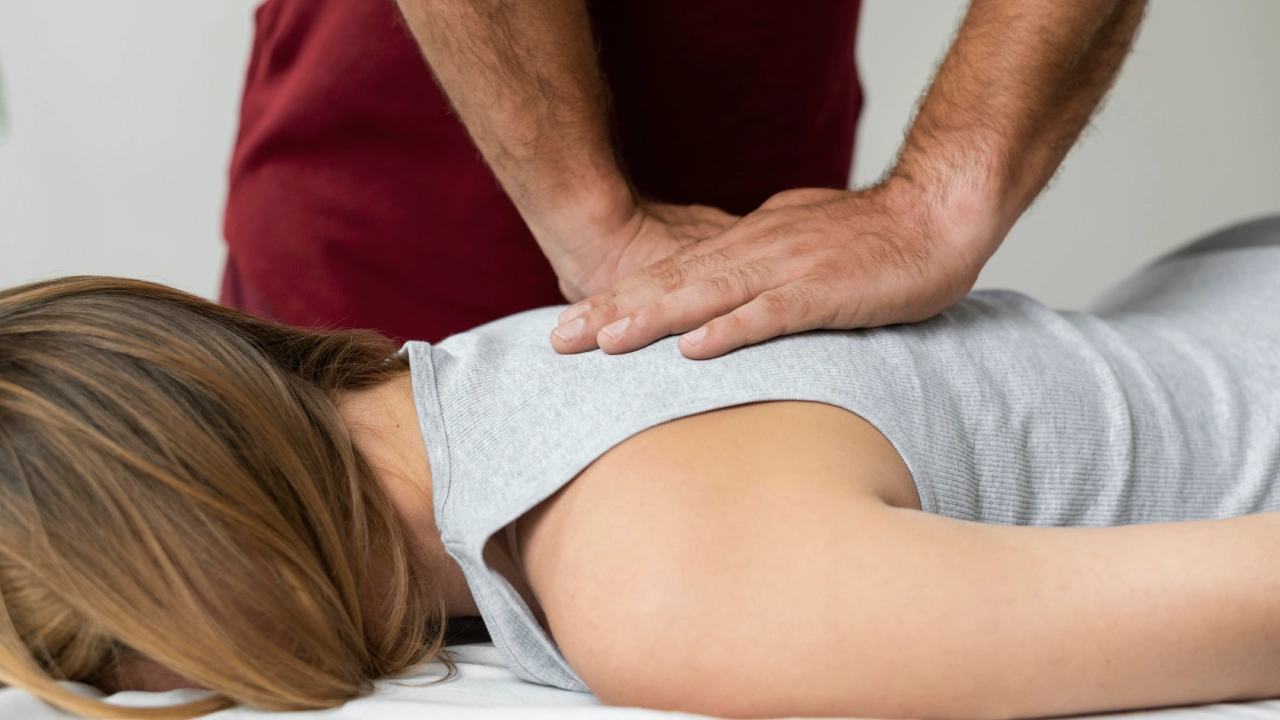
Support That Fits Into Your Recovery Routine
Compression garments are wearable products that apply controlled pressure to specific areas of the body. They are commonly used to support circulation, manage swelling, and provide support during daily activities, exercise, or recovery following certain injuries and procedures.
At our physiotherapy clinic, compression garments can be recommended when they may complement an individual’s physiotherapy plan. The appropriate garment depends on the body area involved, the amount of compression required, fit, activity level, and the reason for use.
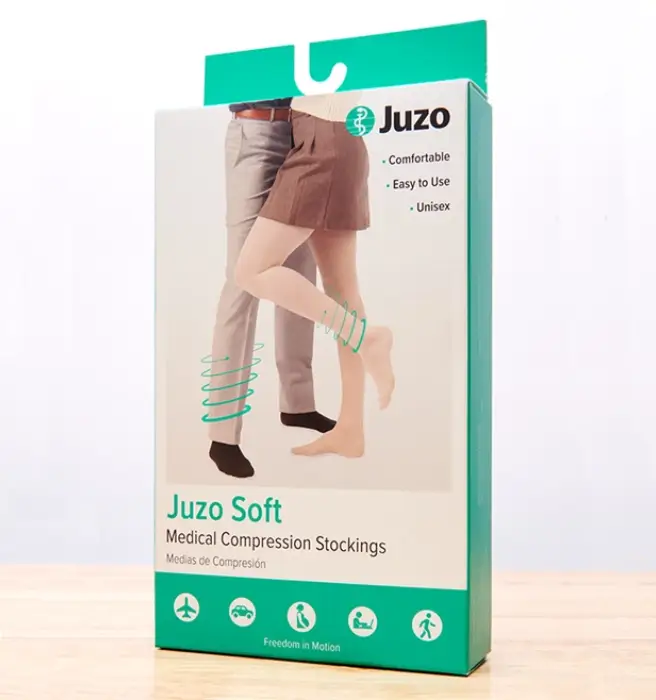
What Are Compression Garments?
Compression garments are made from stretchable materials that create graduated or targeted pressure around an area of the body. They are available in different forms, including:
- Compression socks and stockings
- Compression sleeves
- Arm garments
- Leg garments
- Calf sleeves
- Thigh garments
- Knee supports
- Gloves and hand garments
- Post-procedure compression garments
- Other body-specific compression products
Some garments are intended for everyday wear, while others are made for use during physical activity or particular stages of recovery.
Because compression levels and garment construction vary, selecting a product based only on appearance or general sizing may not be appropriate. A physiotherapy assessment can help determine whether compression may fit within your care plan.
When May Compression Garments Be Used?
Compression garments may be considered for several situations where swelling, circulation, or physical support is part of the person’s treatment needs.
They may be used alongside physiotherapy for:
Swelling and Edema
Compression can provide external pressure around an affected area and may be used as part of swelling-management strategies.
Lymphatic Concerns
Certain compression garments may form part of a lymphatic management plan. Garment selection can depend on the location and extent of swelling and other individual factors.
Sports and Physical Activity
Some people use compression sleeves or socks during physical activity. These products can provide a close-fitting layer around muscles and joints while allowing movement.
Recovery After Injury
Following an injury, compression may sometimes be incorporated into a broader physiotherapy program when clinically appropriate.
Post-Procedure Support
Certain procedures may involve the use of compression garments. Your healthcare provider can advise whether a particular garment is appropriate and when it should be worn.
Choosing the Right Compression Garment
A compression garment needs to fit properly. A garment that is too loose may not provide the intended pressure, while one that is too tight may cause discomfort or other problems.
When selecting a garment, factors may include:
- Body measurements
- Location of swelling or symptoms
- Required compression level
- Skin condition
- Daily activities
- Exercise requirements
- Garment length and construction
- Ease of putting on and removing the garment
- Personal comfort
- Instructions from your healthcare provider
Our physiotherapy team can discuss these factors with you and help identify a product that fits your treatment needs.
How Compression Garments Fit Into Physiotherapy
Compression garments are not a replacement for physiotherapy. They may instead be used as one component of a broader treatment plan.
Depending on your condition, physiotherapy may include movement exercises, mobility work, strengthening, manual techniques, education, activity modification, and strategies for managing swelling or physical limitations.
A compression garment may be incorporated when it has a clear role within that plan.
For example, someone managing lower-limb swelling may receive physiotherapy focused on movement and function while also using a suitable compression garment during selected parts of the day.
What to Expect at the Clinic
Before recommending a compression garment, we can discuss your symptoms, daily activities, treatment goals, and relevant medical history. Measurements may also be required depending on the product.
We can then explain:
- Which type of garment may suit your needs
- Where and when it may be worn
- How to put it on and remove it
- How to care for the garment
- When it may need to be replaced
- What signs may indicate that the garment should be removed or reassessed
If a garment causes significant discomfort, numbness, colour changes, skin irritation, or other concerning symptoms, stop using it and seek appropriate medical advice.
Compression Garments Available Through Our Physiotherapy Clinic
If you have been considering compression garments for swelling, activity, recovery, or support, our physiotherapy team can discuss whether one may fit into your care plan.
We can help you understand the available product types, sizing considerations, wearing instructions, and how compression may work alongside physiotherapy.
Talk to our team about compression garments and whether they suit your needs.
Address: 25 Charlton Ave E, Suite 202, Hamilton, ON L8N 1Y2, Canada
Phone: +1 365-323-0629