The Pillow You Use Every Night Can Affect How Your Body Feels the Next Day
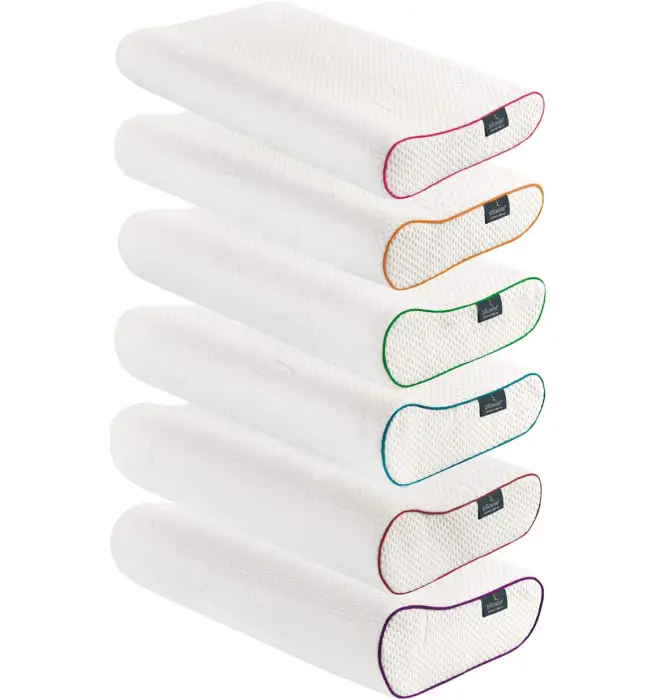
Your pillow does more than support your head while you sleep. Its height, shape, firmness, and material can influence how your neck and upper spine are positioned for several hours at a time.
If your pillow pushes your head too far forward, lets it drop too low, or fails to support the natural curve of your neck, you may wake up with stiffness or discomfort around the neck, shoulders, or upper back.
At our physiotherapy clinic, we provide orthopedic pillows for people looking to support healthier sleeping posture and create a more supportive sleep setup.
What Are Orthopedic Pillows?
Orthopedic pillows are designed with body positioning in mind. Rather than using a simple rectangular shape, many models feature contours, different height options, or supportive materials that help maintain a more neutral position for the head and neck.
The right pillow depends on several factors, including:
- Your usual sleeping position
- Shoulder width and body shape
- Neck position
- Mattress firmness
- Existing neck or shoulder discomfort
- Whether you move between sleeping positions during the night
A pillow that works well for one person may not suit another. That is why choosing based only on appearance, softness, or thickness may not produce the result you are looking for.
Why Pillow Position Matters
When you lie down, your head should remain reasonably aligned with the rest of your spine. A pillow that is too high can push the head upward or forward. One that is too low may allow the head to tilt downward.
Over several hours, these positions can place additional strain on muscles and joints around the neck and shoulders.
This can be particularly noticeable when you already deal with:
- Neck stiffness
- Shoulder tension
- Upper-back discomfort
- Postural strain
- Morning neck discomfort
- Headaches associated with neck tension
- Discomfort after prolonged sitting or desk work
An orthopedic pillow cannot address every cause of neck or shoulder symptoms, but the right sleeping setup can be one part of a broader physiotherapy plan.
Choosing an Orthopedic Pillow Based on Your Sleep Position
Side Sleepers
Side sleeping creates space between the head and mattress because of the shoulder. A pillow with enough height and support can help fill that space and keep the neck from bending sideways.
If your pillow is too thin, your head may drop toward the mattress. If it is too thick, your head may be pushed away from the mattress.
Back Sleepers
Back sleepers generally need support that keeps the head and neck comfortably aligned without forcing the chin toward the chest.
A contoured pillow may provide support around the neck while allowing the head to rest in a more natural position.
Combination Sleepers
If you switch between your back and side during the night, you may need a pillow that accommodates both positions.
Pillow shape, height, and firmness become particularly important when your sleeping position changes regularly.
Orthopedic Pillows and Physiotherapy
Physiotherapy often looks beyond the area where discomfort is felt. Sleeping posture, workstation setup, movement habits, muscle tension, and daily activities can all play a role in musculoskeletal complaints.
An orthopedic pillow may form one part of this picture.
For example, someone with recurring neck stiffness may work on mobility and strengthening during physiotherapy while also changing their sleeping position and pillow setup.
The goal is not simply to add another product to your bedroom. It is to create a sleep environment that works alongside your broader movement and posture plan.
What to Look For in an Orthopedic Pillow
Before choosing a pillow, consider these factors:
Height: The pillow should suit your sleeping position and body structure rather than simply being thick or thin.
Support: Look for a design that maintains its shape instead of collapsing quickly under the weight of your head.
Material: Memory foam, latex, and other materials provide different levels of firmness, responsiveness, and pressure distribution.
Shape: Contoured designs may provide additional support around the neck, while traditional shapes may suit people who change positions frequently.
Cover: A removable, washable cover can make regular cleaning easier.
Personal fit: Your pillow should feel supportive without forcing your neck into an uncomfortable position.
Signs Your Pillow May Not Be Working for You
Your pillow may be worth reconsidering if you regularly notice:
- Neck stiffness after waking
- Shoulder discomfort in the morning
- Headaches that appear after sleeping
- Your head tilting noticeably while lying down
- Frequent pillow adjustments during the night
- A pillow that has become flattened or uneven
- Increased discomfort when sleeping in one particular position
These signs do not automatically mean your pillow is the cause. However, they can be useful reasons to assess your sleeping position and overall posture.
Can an Orthopedic Pillow Replace Physiotherapy?
No. A pillow is a sleep-support product, not a substitute for assessment or physiotherapy treatment.
Persistent neck, shoulder, or back symptoms can have many possible causes. Physiotherapy can assess movement, strength, mobility, posture, and functional factors to determine what may be contributing to your symptoms.
An orthopedic pillow can then be considered as one practical part of your home and sleep setup.
Shop Orthopedic Pillows at Our Physiotherapy Clinic
Choosing a pillow is not simply about finding the firmest or softest option. Your sleeping position, body structure, existing symptoms, and daily habits all matter.
Our Orthopedic Pillows are available for people who want additional support for their head and neck while sleeping.
If you are unsure which pillow style may suit your sleeping position, speak with our physiotherapy team. We can discuss your usual sleep position, areas of discomfort, and posture so you can make an informed product choice.
Ask our clinic about Orthopedic Pillows and find a pillow option suited to your sleeping setup.
Address: 25 Charlton Ave E, Suite 202, Hamilton, ON L8N 1Y2, Canada
Phone: +1 365-323-0629