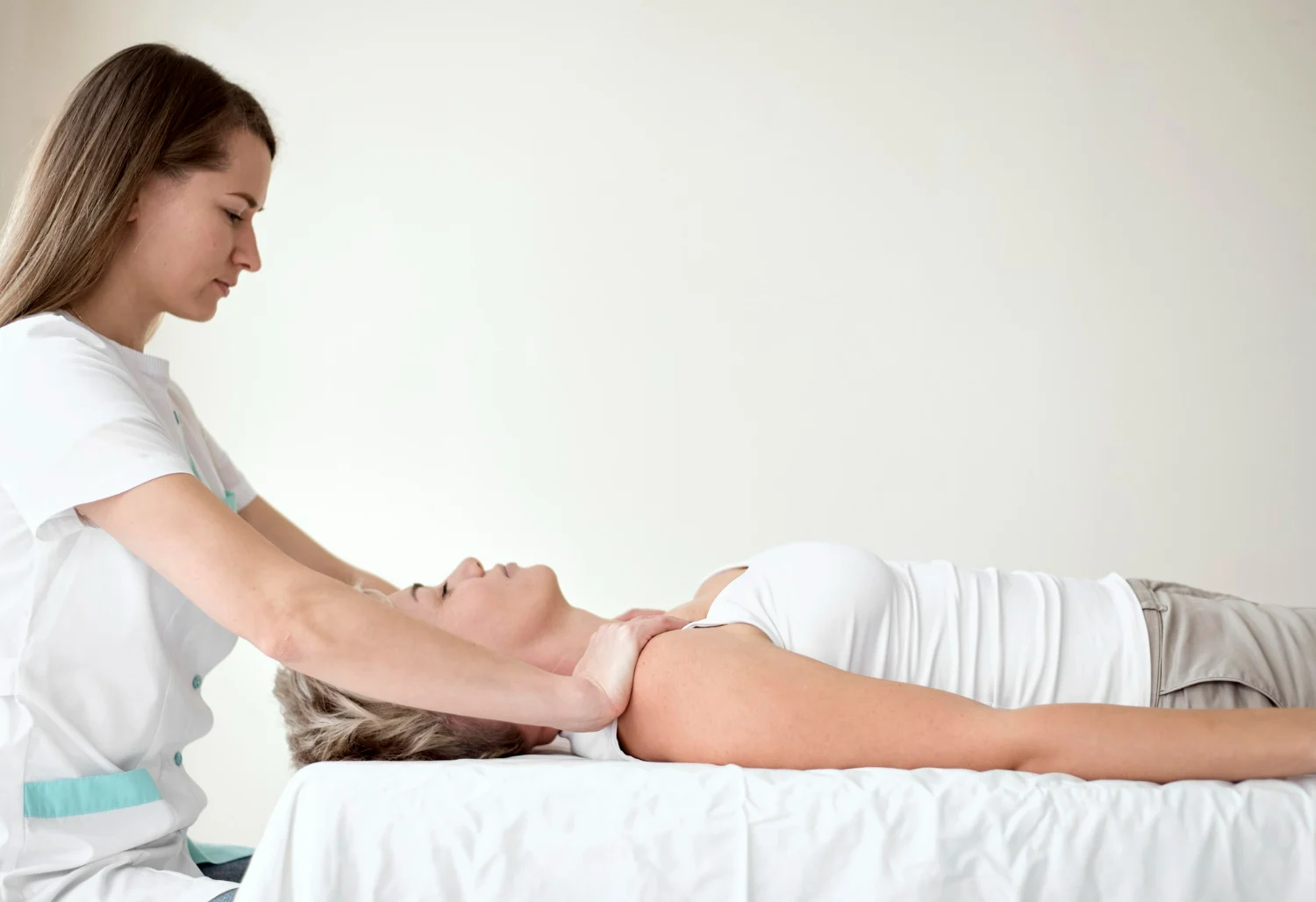
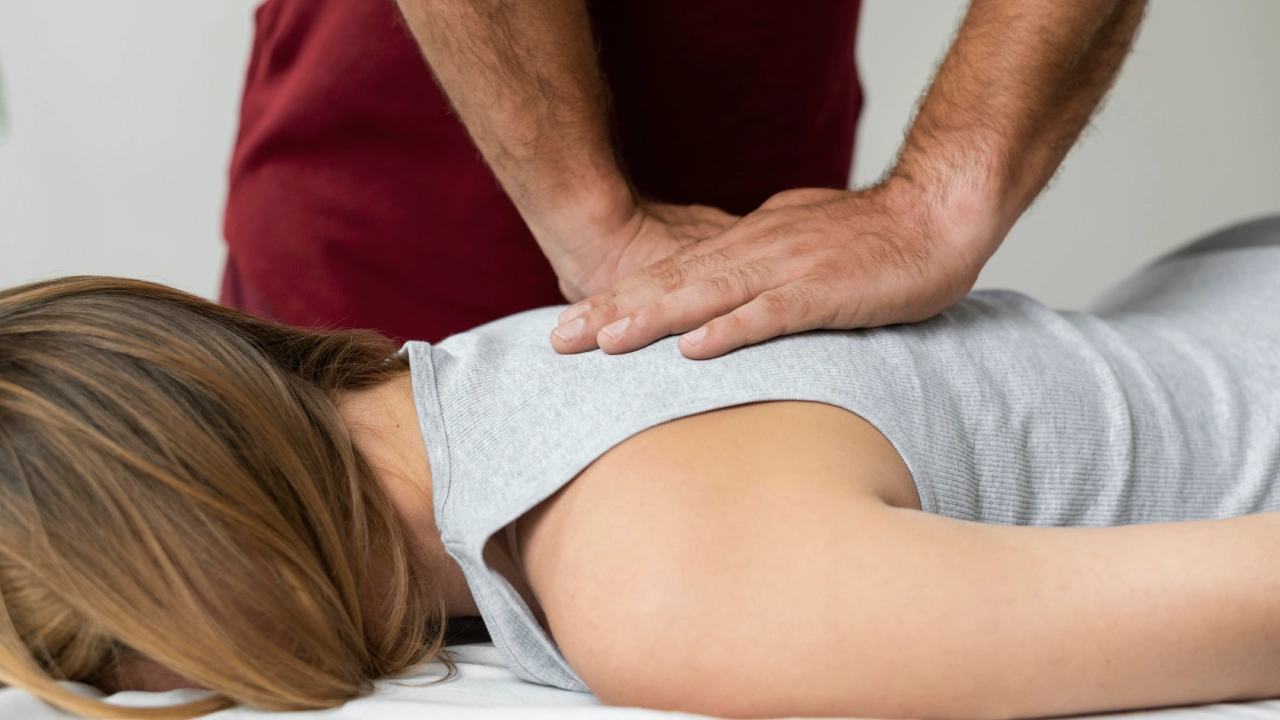
Manual Osteopathy in Hamilton
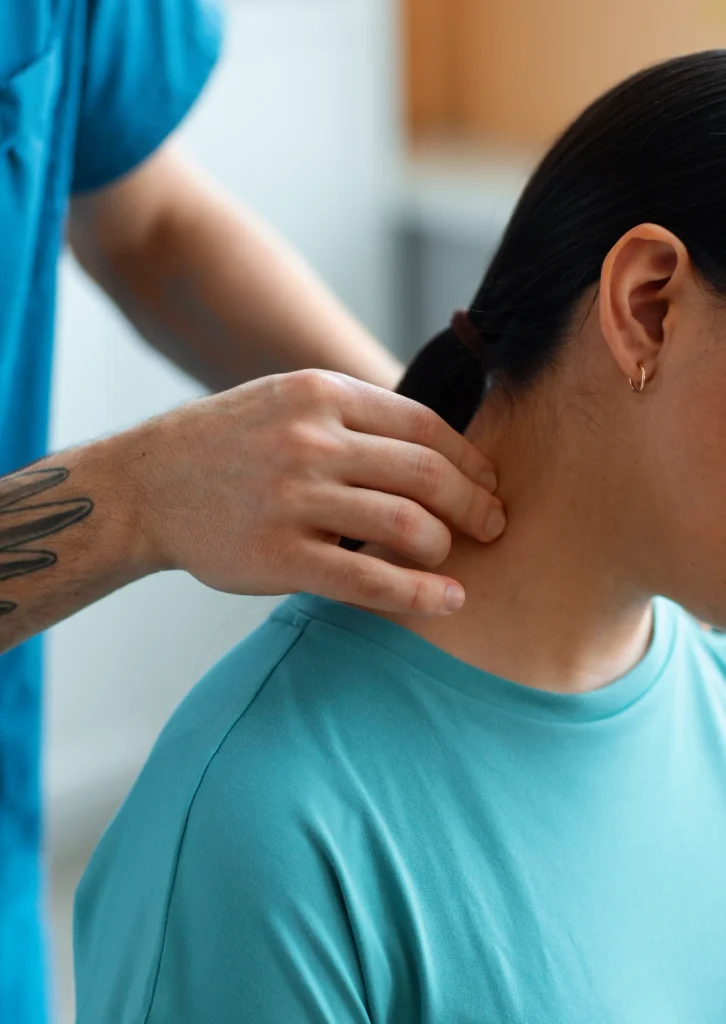
Manual osteopathy uses hands-on assessment and treatment methods to address movement restrictions, muscle tension, joint stiffness, and areas of physical discomfort. At Wellness Flowz Lymphatic Recovery Center, manual osteopathy in Hamilton, may be suitable for adults dealing with everyday strain, reduced mobility, postural stress, or discomfort linked to work, exercise, and routine activities.
Treatment focuses on how different parts of the body move and interact. Sessions may include gentle hands-on techniques directed at muscles, joints, connective tissues, and other structures based on the individual’s needs. The goal is to support comfortable movement and help clients return to their usual activities.
What Is Manual Osteopathy?
Manual osteopathy is a hands-on form of bodywork that examines relationships between the musculoskeletal system and movement patterns. Practitioners use hands-on methods to assess areas of tension, restricted movement, and mechanical strain. A session may involve techniques directed toward:
- Muscles and soft tissues
- Joints and surrounding structures
- Fascia and connective tissues
- Postural patterns
- Areas affected by repetitive movement
- Regions with stiffness or reduced mobility
Manual osteopathy can be used as part of a broader approach to physical wellness. The session and techniques used depend on the person’s concerns, movement patterns, and assessment findings.
Conditions We Treat With Manual Osteopathy
Manual osteopathy at Wellness Flowz Lymphatic Recovery Center may be used as part of care for a range of musculoskeletal and movement-related concerns, including:
- TMJ concerns – Jaw tension, restricted jaw movement, and discomfort around the temporomandibular joint.
- Chronic pain – Ongoing physical discomfort involving muscles, joints, or other musculoskeletal structures.
- Sciatica – Symptoms involving the lower back, hip, and leg that may follow irritation or compression along the sciatic nerve.
- Concussion – Manual osteopathy may be considered as part of a broader recovery plan when appropriate and after relevant medical assessment.
- Frozen shoulder – Shoulder stiffness and restricted range of motion.
- Migraines – Hands-on care may be considered alongside other approaches for people who experience recurring migraines.
- Headaches – Neck, shoulder, and upper-body tension may be assessed when they occur alongside recurring headaches.
- Musculoskeletal injuries – Physical concerns involving muscles, joints, ligaments, tendons, and related structures.
- Hip pain – Stiffness, tension, or movement restrictions around the hip and surrounding areas.
- Knee pain – Movement-related discomfort or stiffness involving the knee and surrounding structures.
- Back pain – Discomfort or stiffness affecting the upper, middle, or lower back.
Who Can Benefit From Manual Osteopathy?
People experiencing physical tension or movement-related concerns associated with daily life may consider manual osteopathy.
1. Office Workers
Long periods of sitting, computer use, and limited movement can contribute to stiffness around the neck, shoulders, upper back, and hips.
2. Active Adults
People who exercise, participate in sports, or maintain physically demanding routines may seek hands-on care when muscles and joints feel tight or restricted.
3. People With Postural Strain
Extended sitting, standing, driving, or repetitive workplace positions can place recurring stress on certain areas of the body.
4. Adults With General Stiffness
Some people seek manual osteopathy when they notice reduced mobility or persistent tightness during everyday activities.
5. People Managing Activity-Related Discomfort
Manual osteopathy may form part of a broader care plan when discomfort is associated with repetitive movement, physical workload, or changes in activity levels.
6. Older Adults
Age-related changes may contribute to stiffness, reduced joint mobility, or difficulty moving comfortably during everyday activities. Manual osteopathy may support mobility as part of an overall care plan.
Problems Manual Osteopathy Can Address
People may seek manual osteopathy when dealing with concerns such as:
- Neck stiffness
- Shoulder tension
- Upper or lower back stiffness
- Hip tightness
- Reduced joint mobility
- Muscle tension
- Postural strain
- Repetitive-use discomfort
- Activity-related stiffness
- General movement restrictions
- Physical tension associated with prolonged sitting
- Stiffness following changes in exercise or activity
The appropriate approach depends on the person’s symptoms, medical history, movement patterns, and assessment.
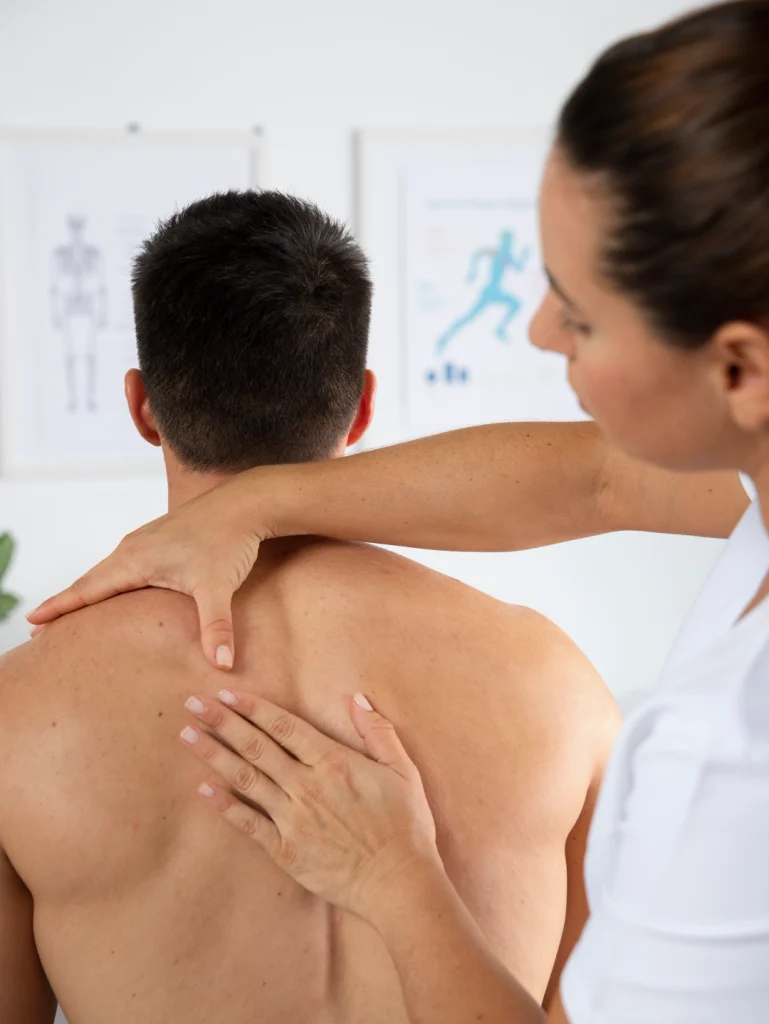
Key Features of Manual Osteopathy
1. Hands-On Assessment
The session begins with an assessment of movement, areas of tension, and physical concerns.
Why it matters: This assessment helps identify areas that may require attention during the session.
2. Soft-Tissue Techniques
Hands-on methods may be used around muscles and connective tissues where tension or restriction is present.
Why it matters: Soft-tissue work can be incorporated into care when muscular tightness forms part of the person’s concerns.
3. Joint-Focused Techniques
The practitioner may assess and work around joints where movement feels restricted.
Why it matters: Joint mobility contributes to normal movement during everyday tasks and physical activity.
4. Postural Assessment
The practitioner may consider how sitting, standing, work habits, and movement patterns relate to the person’s concerns.
Why it matters: Repeated positions can contribute to recurring tension in certain areas.
5. Individual Session Planning
The techniques used during a session depend on the assessment and the concerns discussed.
Expected outcome: A session that addresses the areas and movement patterns relevant to the individual.
6. Breathing and Relaxation Work
The practitioner may use gentle techniques that encourage relaxed breathing and reduce unnecessary muscle tension during the session.
Why it matters: Breathing patterns can influence muscle activity, posture, and how the body responds to physical tension.
How Does the Manual Osteopathy Process Work?
1. Initial Consultation
The session begins with a discussion about current concerns, daily activities, previous injuries, exercise habits, and relevant health information.
2. Physical Assessment
The practitioner assesses movement, mobility, posture, and areas of tension.
3. Treatment Planning
Based on the assessment, the practitioner determines which hands-on approaches may be appropriate.
4. Hands-On Treatment
Manual techniques may be applied to muscles, joints, connective tissues, and other relevant areas.
5. Movement Review
Movement may be reassessed during or after the session to identify changes in mobility or physical comfort.
6. Follow-Up Planning
The practitioner can discuss appropriate next steps based on the individual’s response and ongoing needs.
Benefits of Manual Osteopathy
Manual osteopathy may support:
- Comfortable movement
- Joint mobility
- Muscle relaxation
- Reduced feelings of physical tension
- Postural awareness
- Mobility during everyday activities
- Recovery following physical activity
- Body awareness
- Movement confidence
- Management of recurring stiffness
Results vary between individuals. Manual osteopathy is not a substitute for medical assessment when symptoms may indicate an underlying medical condition.
Who We Serve
At Wellness Flowz Lymphatic Recovery Center, manual osteopathy may be relevant to:
- Office workers
- Students
- Active adults
- Recreational athletes
- People with physically demanding jobs
- Drivers
- Older adults seeking support for mobility
- Individuals dealing with activity-related stiffness
- People with recurring muscle tension
- Adults looking to maintain comfortable movement
Service Areas
Wellness Flowz Lymphatic Recovery Center provides manual osteopathy in Hamilton, ON, for clients from nearby communities and neighbourhoods.
Service areas may include:
- Downtown Hamilton
- Hamilton Mountain
- West Hamilton
- East Hamilton
- Stoney Creek
- Ancaster
- Dundas
- Waterdown
- Binbrook
- Flamborough
Contact the clinic directly to find out if it is convenient for you if you are near Hamilton.
Why Choose Wellness Flowz Lymphatic Recovery Center?
Wellness Flowz Lymphatic Recovery Center is located at:
25 Charlton Ave E, Suite 202
Hamilton, ON L8N 1Y2
The clinic provides hands-on wellness and bodywork services for people seeking support with movement, muscle tension, mobility, and physical comfort.
We begin by discussing your concerns and assessing your needs before selecting the appropriate techniques. This allows the session to focus on the areas relevant to your current needs rather than following the same routine for every client.
Related Services
Manual osteopathy may be used alongside other services available at Wellness Flowz Lymphatic Recovery Center, depending on your needs.
Related services include:
- Massage Therapy
- Lymphatic Recovery
- Manual Osteopathy
- Manual Lymphatic Drainage
Combining services should be discussed with your practitioner so the approach is appropriate for your circumstances.
Get Started With Manual Osteopathy in Hamilton, ON
If muscle tension, stiffness, restricted movement, or activity-related discomfort is affecting your daily routine, the first step is to discuss your concerns with a qualified practitioner.
Wellness Flowz Lymphatic Recovery Center
📍 Serving Hamilton, ON and surrounding areas
📍 Address: 25 Charlton Ave E, Suite 202, Hamilton, ON L8N 1Y2, Canada
📞 Phone: +1 365-323-0629
✉️ Email: info@wellnessflowz.com
📅 Book Online: Book An Appointment
Contact the clinic to ask about Manual Osteopathy in Hamilton, ON, available appointments, and whether this service is appropriate for your needs.
Frequently Asked Question (FAQ)
Manual osteopathy can include hands-on assessment and techniques directed toward muscles, joints, connective tissues, and movement patterns. The specific techniques depend on the individual's concerns and assessment.
A session generally begins with a discussion and physical assessment. The practitioner then uses appropriate hands-on techniques and may reassess movement during or after treatment.
Manual osteopathy may be considered for some forms of back stiffness. The practitioner will assess the person's symptoms and determine whether hands-on care is appropriate.
Neck and shoulder tension can be among the concerns addressed during manual osteopathy. Assessment helps determine which areas and techniques may be appropriate.
The number of sessions varies based on the person's concerns, response to care, activity levels, and goals. Your practitioner can discuss a suitable schedule after assessment.
Yes. Active adults may seek manual osteopathy for muscle tension, stiffness, movement restrictions, or physical strain associated with exercise and other activities.
Referral requirements can vary depending on the situation and insurance provider. Contact Wellness Flowz Lymphatic Recovery Center to discuss your circumstances before booking.
No. Both involve hands-on care, but they use different approaches. Manual osteopathy generally places greater emphasis on assessing movement and relationships between joints, muscles, connective tissues, and body mechanics.