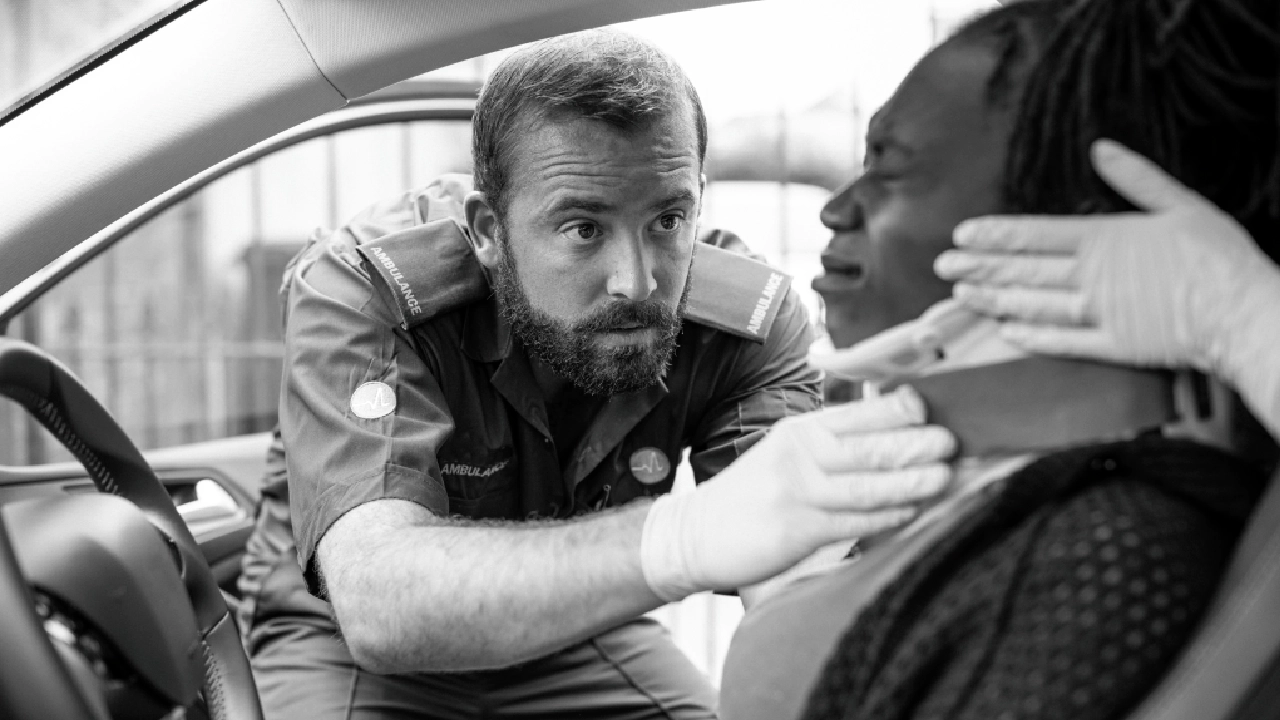
Why Early Attention Matters After a Motor Vehicle Accident
A motor vehicle accident can happen in seconds, but its physical effects may continue for weeks or even months. Whether it is a minor collision or a serious crash, the body can experience injuries that affect mobility, comfort, and everyday activities.
Some people notice symptoms immediately, while others develop neck stiffness, back discomfort, headaches, muscle tension, or reduced movement several days after an accident. Even when injuries initially appear minor, ignoring symptoms can create difficulties during recovery.
One of the biggest mistakes people make after a motor vehicle accident is delaying professional assessment or returning to normal activities without understanding their injuries.
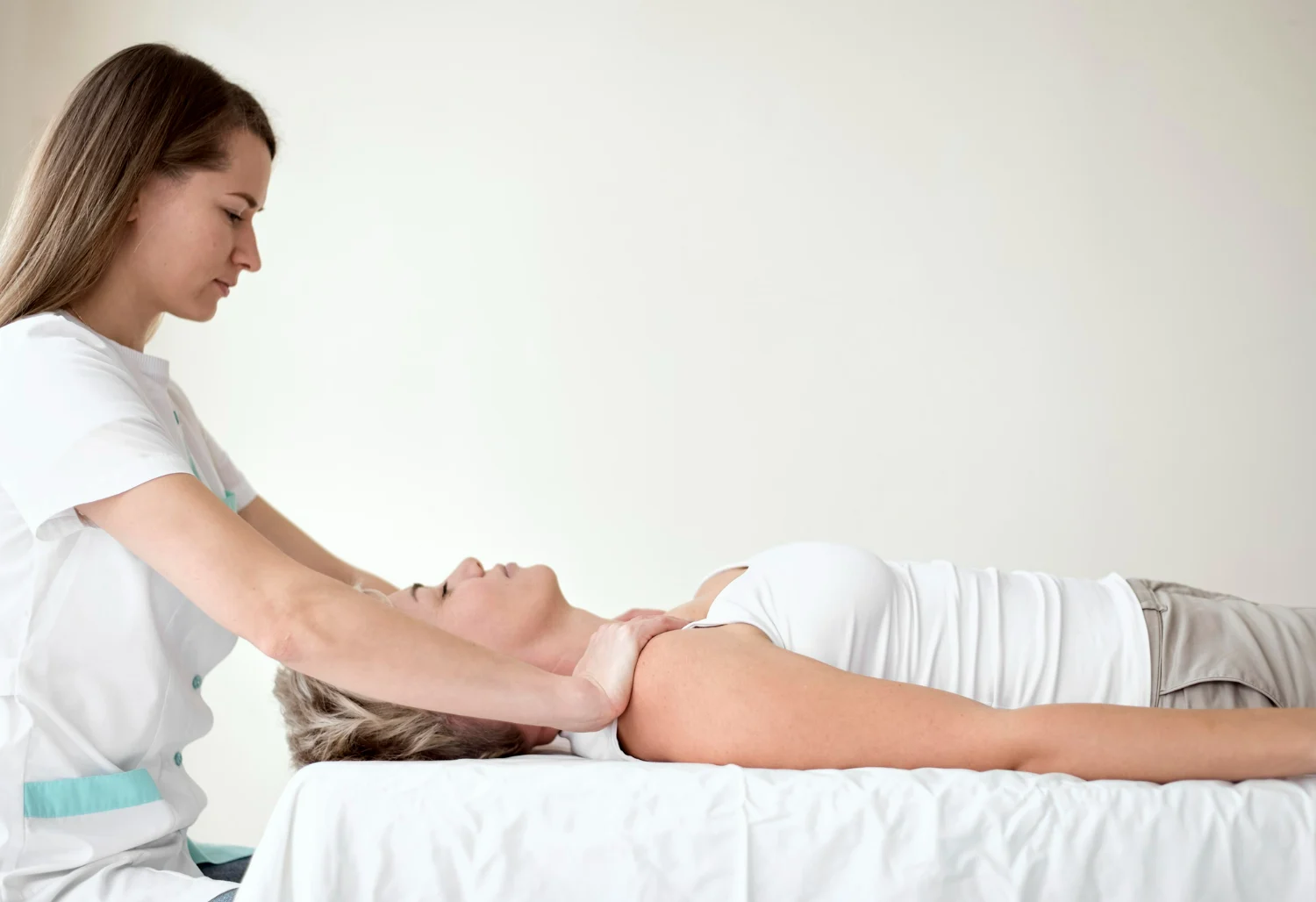
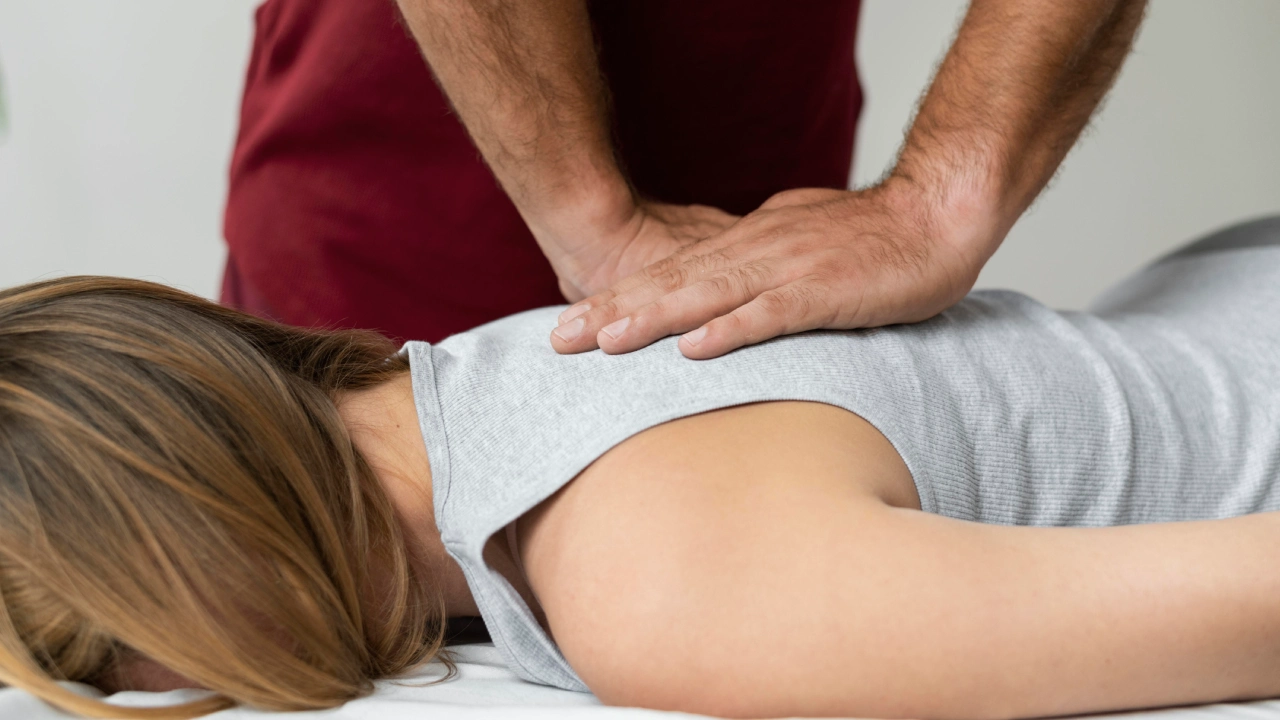
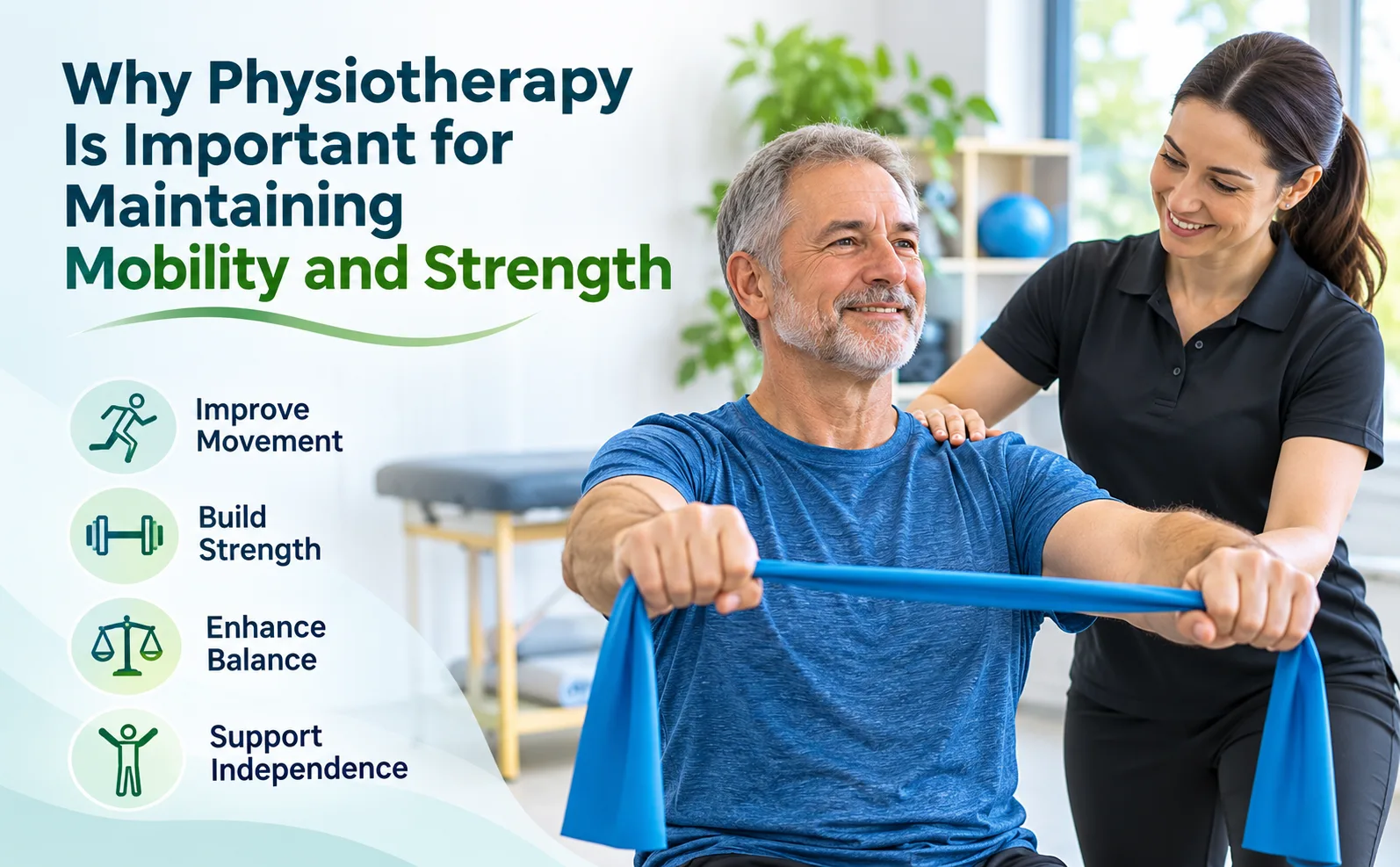
This is where Physiotherapy may play an important role in a medically guided recovery plan. Appropriate rehabilitation can help address movement difficulties, improve physical function, and support a gradual return to everyday activities.
For Hamilton residents dealing with accident-related injuries, knowing what to do after a collision can make a meaningful difference in how they approach recovery.
At Wellness Flowz, individuals can inquire about available wellness services and learn whether the business provides suitable support for their post-accident needs.
Let’s explore the common recovery mistakes, the importance of early assessment, and what you should know after a motor vehicle accident.
The Biggest Mistake: Ignoring Injuries or Delaying Treatment
After a collision, many people focus on vehicle damage, insurance paperwork, and other immediate responsibilities. Their own physical condition often becomes a secondary concern.
Some individuals assume that if they can walk, drive, or continue working, they have not sustained a significant injury.
Unfortunately, this assumption can be misleading.
Certain accident-related injuries may not produce noticeable symptoms immediately. Adrenaline, stress, and the body’s initial response to trauma can sometimes make it difficult to recognize discomfort directly after an incident.
Common symptoms that may appear after a motor vehicle accident include:
- Neck stiffness and reduced mobility.
- Shoulder discomfort.
- Lower or upper back pain.
- Muscle soreness and tension.
- Headaches.
- Joint discomfort.
- Tingling or numbness.
- Difficulty performing everyday movements.
Ignoring these symptoms or waiting for them to disappear without medical assessment may delay appropriate care.
Seeking medical attention after an accident is an important first step. A healthcare professional can assess your condition, identify potential injuries, and determine whether rehabilitation services are appropriate.
Starting Physiotherapy at an appropriate stage, following medical assessment, may help address movement limitations and support a structured recovery plan.
The important point is simple: do not assume that an injury is minor just because the symptoms are initially manageable.
Why Do Motor Vehicle Accidents Affect the Body?
A motor vehicle collision can expose the body to sudden forces, unexpected movements, and rapid changes in direction.
Even at relatively low speeds, these forces may affect muscles, ligaments, joints, and other soft tissues.
The nature of an injury depends on several factors, including the speed and direction of the collision, as well as whether the vehicle was struck from the front, side, or rear.
- The speed and direction of the collision.
- Whether the vehicle was struck from the front, side, or rear.
- The position of the occupants.
- Whether seatbelts and airbags were deployed.
- Previous injuries or existing physical conditions.
- The severity of the impact.
For example, a rear-end collision can cause rapid forward-and-backward movement of the head and neck. This may contribute to whiplash-associated disorders.
Similarly, sudden twisting or bracing movements may affect the shoulders, back, and other areas.
Some injuries involve soft tissues, while others may involve bones, joints, or nerves.
This is why receiving an appropriate medical assessment is important before beginning any physical rehabilitation program.
Common Injuries After a Motor Vehicle Accident
Understanding common accident-related injuries can help people recognize when they should seek medical attention.
Whiplash-Associated Disorders
Whiplash is commonly associated with rear-end collisions. It occurs when the neck experiences rapid movement, potentially affecting surrounding muscles, ligaments, and other structures.
Symptoms may include:
- Neck stiffness.
- Reduced range of motion.
- Headaches.
- Shoulder discomfort.
- Tenderness around the neck.
- Dizziness in some cases.
Symptoms can develop immediately or over the following hours and days.
A healthcare professional can assess the condition and recommend appropriate management.
Back Injuries
The force of a collision can affect the muscles and structures supporting the spine.
Some individuals experience upper or lower back discomfort, stiffness, or difficulty bending and twisting.
The nature of the injury varies, so a proper examination is necessary before starting exercises or manual treatment.
Shoulder Injuries
Seatbelt pressure, sudden movements, and impact forces may contribute to shoulder injuries.
People may notice discomfort when lifting their arms, reaching overhead, carrying objects, or performing everyday tasks.
Soft Tissue Injuries
Muscles, tendons, and ligaments may become strained during a collision.
These injuries can cause tenderness, swelling, restricted movement, and discomfort during physical activities.
Head Injuries
Some collisions may result in concussion or other head injuries.
Symptoms can include headaches, dizziness, confusion, nausea, sensitivity to light, and difficulty concentrating.
Any suspected head injury requires prompt medical assessment.
How Physiotherapy Can Support Post-Accident Recovery
Rehabilitation after a motor vehicle accident should be based on the individual’s injuries, symptoms, and medical condition.
Physiotherapy may form part of a recovery plan when recommended by an appropriate healthcare professional.
The primary aim is to address physical limitations and help patients work towards improved function through suitable rehabilitation methods.
Depending on the assessment, a rehabilitation program may include:
Movement and Mobility Exercises
Accident-related injuries can limit the ability to move comfortably.
A healthcare professional may recommend controlled exercises to address stiffness and gradually improve mobility.
The exercises should match the patient’s condition and recovery stage.
Strengthening Activities
Following an injury, certain muscles may become weaker because of reduced activity or changes in movement patterns.
Appropriate strengthening exercises may help restore muscle function and support everyday movements.
Posture and Movement Education
Pain or discomfort may cause individuals to change how they sit, stand, walk, or perform daily tasks.
Movement education can help patients identify suitable ways to manage physical activities during recovery.
Functional Rehabilitation
Recovery is not simply about reducing discomfort. It also involves returning to practical activities such as walking, working, driving, lifting, and household tasks.
A rehabilitation program may gradually introduce activities that reflect the individual’s daily requirements.
Activity Modification
Doing too much too soon may aggravate certain injuries.
Healthcare professionals can advise patients on modifying activities while maintaining suitable movement and avoiding unnecessary strain.
The aim is to support a safe progression rather than rushing through recovery.
Why Starting Recovery at the Right Time Matters
Many accident victims make the mistake of either delaying all rehabilitation or attempting physical activities before their injuries have been properly assessed.
Both approaches can create difficulties.
The timing of rehabilitation depends on the type and severity of the injury.
For some patients, gentle movement may be encouraged relatively early. Others may require additional medical investigations or temporary restrictions.
A suitable recovery plan should consider:
- The location and nature of the injury.
- Current symptoms.
- Medical examination findings.
- Existing health conditions.
- Physical activity requirements.
- Recommendations from the treating healthcare professional.
Physiotherapy should begin when it is medically appropriate, not simply because a certain number of days have passed since the collision.
Patients should also understand that recovery timelines differ. Some injuries improve within weeks, while others may require a longer rehabilitation period.
Common Mistakes to Avoid After a Car Accident
Apart from delaying treatment, several other habits may interfere with an organized recovery process.
Mistake 1: Ignoring Persistent Symptoms
Some people continue working and performing everyday activities despite ongoing discomfort.
Persistent or worsening symptoms should be discussed with a healthcare professional rather than ignored.
Mistake 2: Returning to Exercise Too Quickly
After an accident, individuals may feel pressure to resume their regular gym routine or sports activities.
However, returning to demanding exercise without medical guidance may aggravate an injury.
A gradual return based on clinical advice is generally more appropriate.
Mistake 3: Following Random Online Exercises
Not every exercise is suitable for every accident-related injury.
An exercise that helps one person may be inappropriate for another.
Avoid following generic rehabilitation routines without considering your diagnosis and physical condition.
Mistake 4: Skipping Follow-Up Appointments
Symptoms and physical function may change during recovery.
Follow-up assessments allow healthcare professionals to review progress and adjust the management plan when necessary.
Mistake 5: Expecting Immediate Results
Recovery takes time. Muscle injuries, joint problems, and whiplash-associated symptoms may follow different timelines.
Consistent participation in an appropriate recovery plan is more sensible than expecting immediate changes.
What Happens During a Post-Accident Physiotherapy Assessment?
A rehabilitation assessment generally begins with a discussion about the accident, symptoms, and medical history.
The practitioner may ask questions about:
- When the accident occurred.
- How the collision happened.
- Which areas of the body are affected.
- When symptoms first appeared.
- Activities that increase discomfort.
- Previous injuries or health conditions.
- Any medical investigations or diagnoses.
A physical examination may then assess posture, mobility, muscle function, strength, and movement patterns, depending on the injury and clinical circumstances.
The findings help determine whether rehabilitation is appropriate and which activities may be suitable.
A recovery plan may include exercise, movement education, activity modification, and other clinically appropriate approaches.
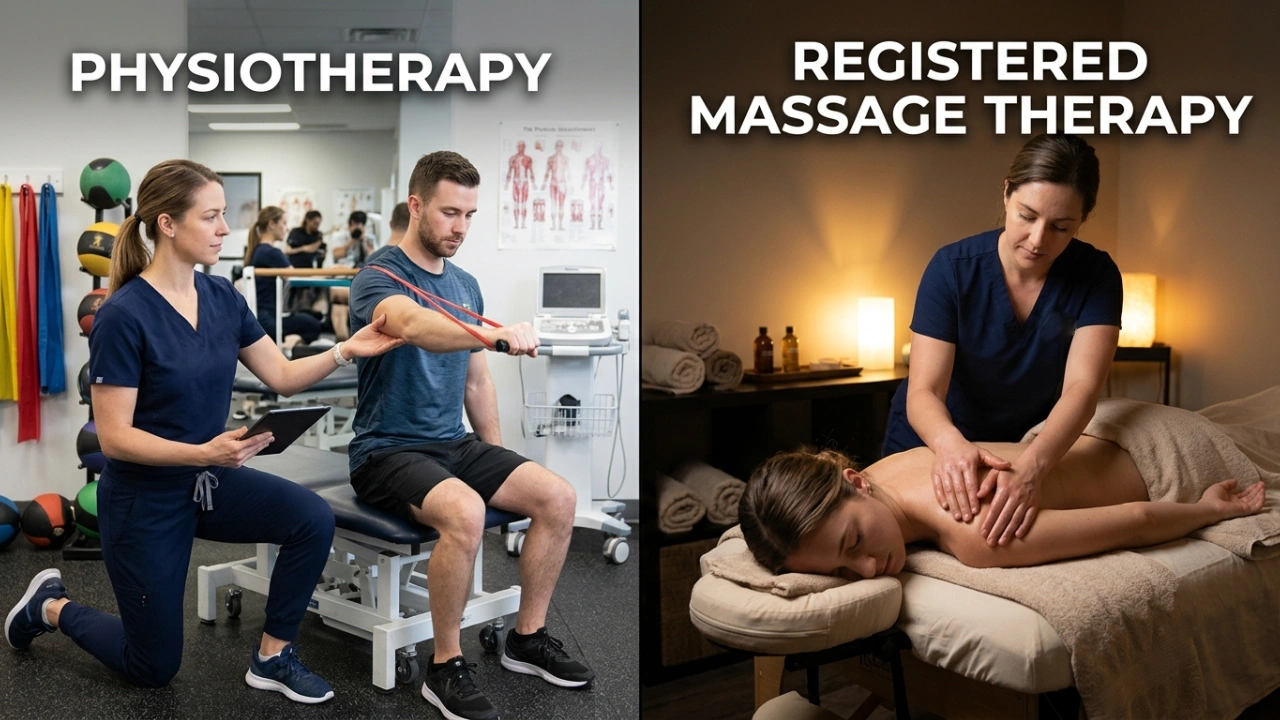
For individuals considering Physiotherapy after a motor vehicle accident, it is important to choose a provider who understands accident-related injuries and works within appropriate professional qualifications and clinical boundaries.
Supporting Your Recovery Between Appointments
Recovery does not happen only during clinic visits. Daily habits and following medical instructions also play an important role.
Here are several practical considerations.
Stay Physically Active Within Your Limits
Complete inactivity is not always recommended after an injury. However, the appropriate level of activity depends on the diagnosis.
Follow your healthcare professional’s advice about walking, stretching, and everyday movement.
Maintain a Suitable Work Routine
If your injuries affect your ability to work, discuss temporary changes with your employer and healthcare provider.
Adjustments to working hours, lifting requirements, or sitting arrangements may be necessary.
Prioritise Sleep
Sleep supports normal physical functioning and allows the body to rest.
Try to maintain a regular sleep routine and follow medical advice regarding comfortable sleeping positions.
Eat Balanced Meals
A balanced diet containing protein, vegetables, fruits, whole grains, and appropriate fluids supports general health.
Follow any dietary instructions provided by your healthcare team.
Avoid Activities That Aggravate Your Injury
Do not force movements that cause significant discomfort or worsen your symptoms.
Discuss activity restrictions and safe alternatives with your treating professional.
Attend Scheduled Assessments
Regular follow-ups help monitor changes in symptoms and physical function.
These habits can complement a medically guided rehabilitation plan and help patients remain involved in their recovery.
Physiotherapy After a Motor Vehicle Accident in Hamilton: Why Choosing the Right Provider Matters
For people recovering from a collision in Hamilton, finding a suitable rehabilitation provider is an important step.
Not every provider or service is appropriate for every injury. Patients should consider the practitioner’s qualifications, clinical background, assessment methods, and ability to coordinate care with other healthcare professionals.
When contacting Wellness Flowz, Hamilton residents can inquire about available services and whether the business provides rehabilitation support appropriate to their needs.
Before arranging an appointment, consider asking:
- Does the practitioner have relevant professional qualifications?
- Do they work with people recovering from motor vehicle accidents?
- What types of injuries can they assess or support?
- Is an initial assessment required?
- Can they coordinate with my treating healthcare provider?
- What should I bring to my first appointment?
These questions can help you determine whether the available services are appropriate for your situation.
For anyone considering Physiotherapy in Hamilton, it is important to prioritize clinical suitability, clear communication, and a recovery plan based on the actual injury.
Wellness Flowz can be contacted directly to discuss its current service availability and appointment options.
How to Prepare for Your First Rehabilitation Appointment
Preparing for your first appointment can make the discussion more productive.
Consider bringing the following information:
Medical reports: Carry relevant imaging reports, discharge summaries, and assessment notes.
Accident details: Be prepared to explain when and how the collision happened.
Symptom information: Note when discomfort started, where it occurs, and which activities make it worse.
Current treatment details: Inform the practitioner about any medication, treatment, or medical advice you have received.
Questions: Write down any concerns about movement, work activities, exercise, or daily routines.
Clear communication helps healthcare professionals understand your situation and determine appropriate next steps.
It also allows you to participate more actively in decisions about your rehabilitation.
When Should You Seek Urgent Medical Attention?
Not every post-accident symptom should be managed through routine rehabilitation.
Certain warning signs may indicate a serious injury that requires immediate medical attention.
Seek emergency assessment if you experience:
- Severe or worsening headaches.
- Loss of consciousness.
- Confusion or unusual drowsiness.
- Repeated vomiting.
- New weakness or numbness.
- Severe neck or back pain following trauma.
- Difficulty breathing.
- Chest or abdominal pain.
- Loss of bladder or bowel control.
Do not attempt exercises or manual treatment to address these symptoms before receiving medical assessment.
Your safety should always come before rehabilitation appointments.
Take the Right Steps Towards Recovery With Wellness Flowz
Recovering from a motor vehicle accident involves more than waiting for discomfort to disappear.
It requires paying attention to symptoms, seeking appropriate medical advice, following activity restrictions, and taking gradual steps towards normal physical function.
The biggest mistake is assuming that an injury will resolve on its own without proper assessment.
For Hamilton residents, Physiotherapy may be a useful part of a medically guided recovery plan when appropriate for the injury.
Wellness Flowz encourages individuals to inquire about available services, discuss their physical concerns, and understand which options may be suitable following a collision.
Remember that every accident and injury is different. There is no single recovery timeline or exercise routine that works for everyone.
Making informed decisions and following professional medical advice can help you approach the recovery process with greater confidence.
Frequently Asked Questions (FAQs)
1. When should I seek physiotherapy after a motor vehicle accident?
You should seek medical assessment as soon as possible after an accident, particularly if you experience pain, stiffness, headaches, or restricted movement. A healthcare professional can determine when rehabilitation is appropriate based on your injuries.
2. Can physiotherapy help with whiplash after a car accident?
Rehabilitation may help people with whiplash-associated disorders address neck mobility, muscle function, and everyday movement difficulties. The program should be based on a clinical assessment and the severity of the injury.
3. How long does recovery take after a motor vehicle accident?
Recovery depends on the type of injury, its severity, individual health, and adherence to medical advice. Some people recover within a few weeks, while others may require several months of rehabilitation.
4. Do I need a doctor’s referral for physiotherapy in Hamilton?
Referral requirements depend on the provider, insurance arrangements, and the circumstances of your treatment. It is advisable to contact the clinic and check whether a referral or medical assessment is required.
5. Where can I inquire about post-accident rehabilitation in Hamilton?
Hamilton residents can contact Wellness Flowz to ask about available services, practitioner qualifications, and appointment arrangements. If you have sustained an injury in a collision, obtain an appropriate medical assessment before beginning rehabilitation.
Book an Appointment
A motor vehicle accident can disrupt your daily routine, physical activities, and ability to work. Taking the right steps after a collision can help you address injuries and work towards restoring your everyday function.
If you are recovering from an accident in Hamilton, contact Wellness Flowz to inquire about available services and discuss your post-accident care requirements.
Don’t ignore persistent discomfort or delay seeking medical advice. Start by getting your injuries assessed and finding out which rehabilitation options may be appropriate for your condition.
Get Started
Contact Wellness Flowz today!
Phone: +1 365-323-0629
Address: 25 Charlton Ave E #202, Hamilton, ON L8N 1Y2, Canada