Recent post
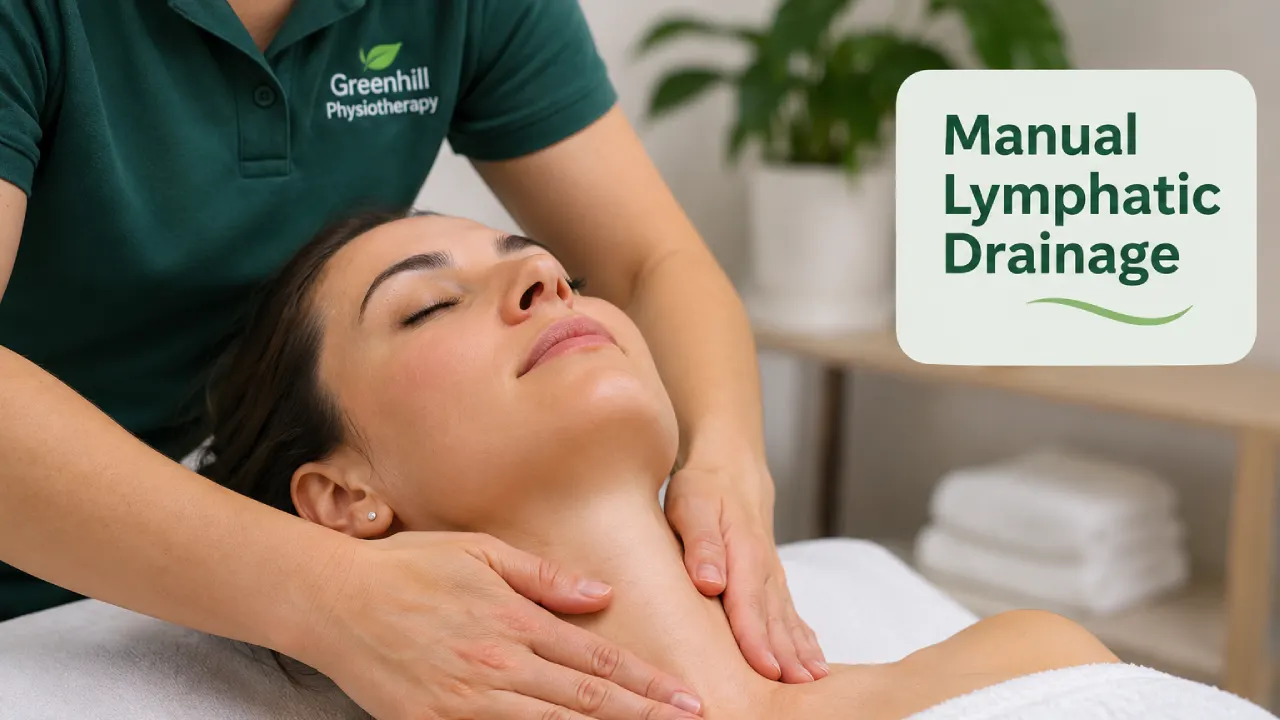
How Manual Lymphatic Drainage Accelerates Recovery After Surgery and Injury
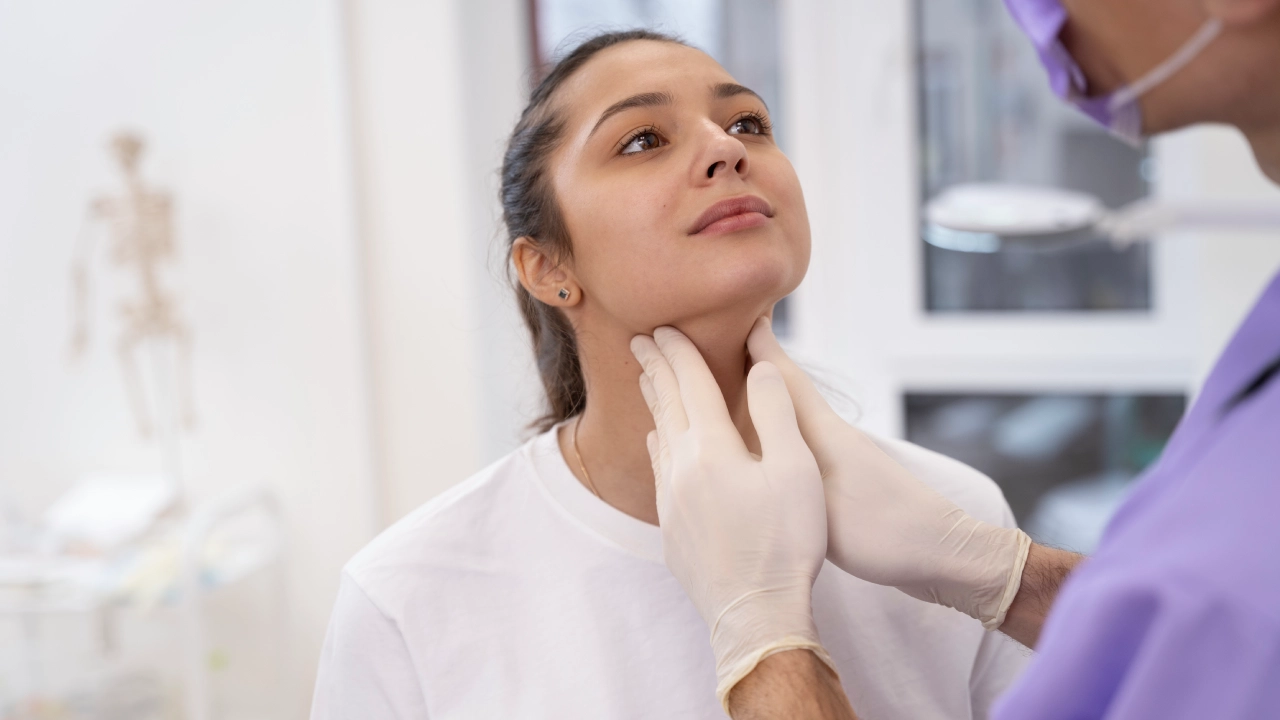
Inflammation, Swelling & Fluid Retention: How Lymphatic Care and Osteopathy Help Your Body Heal
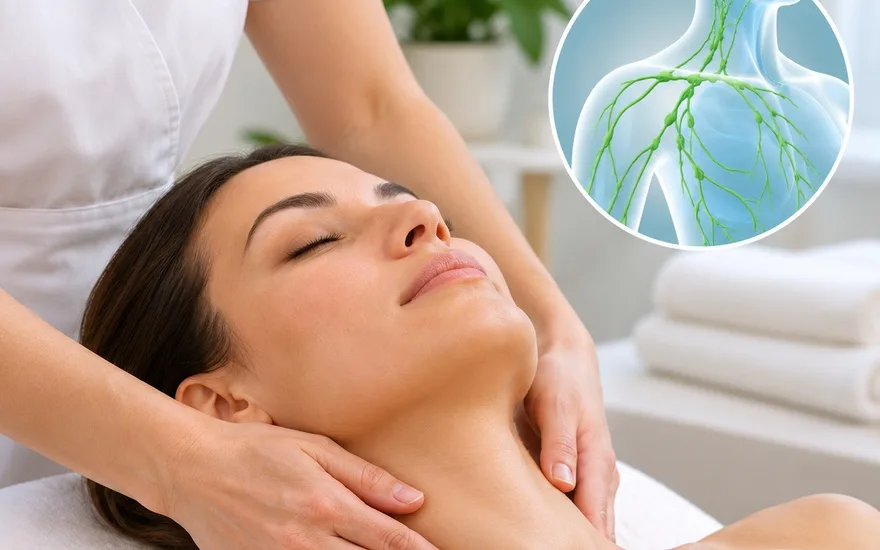
What Is Manual Lymphatic Drainage and How Does It Work? A Guide to Manual Lymphatic Drainage in Hamilton
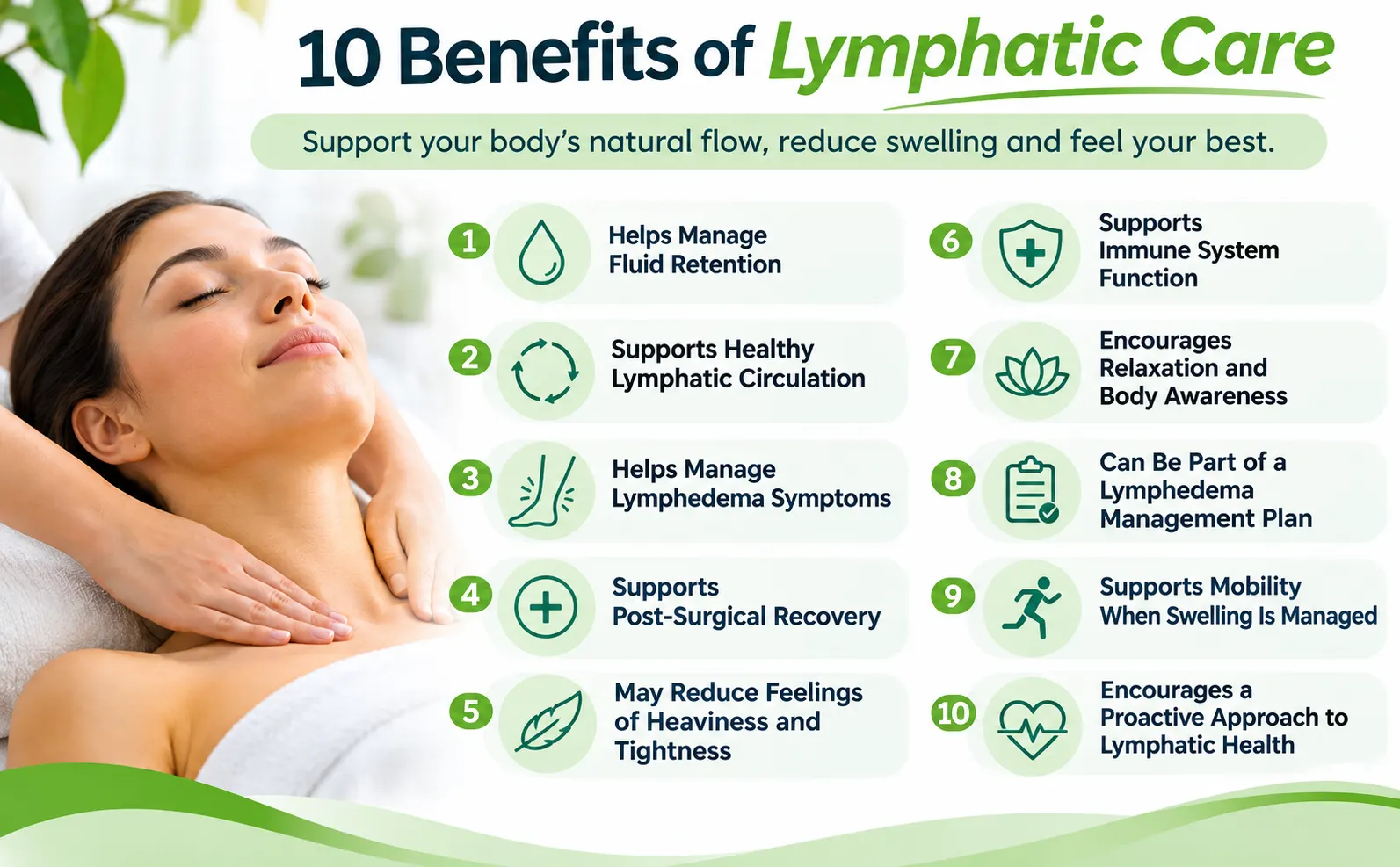
10 Benefits of Lymphatic Care in Hamilton You Should Know
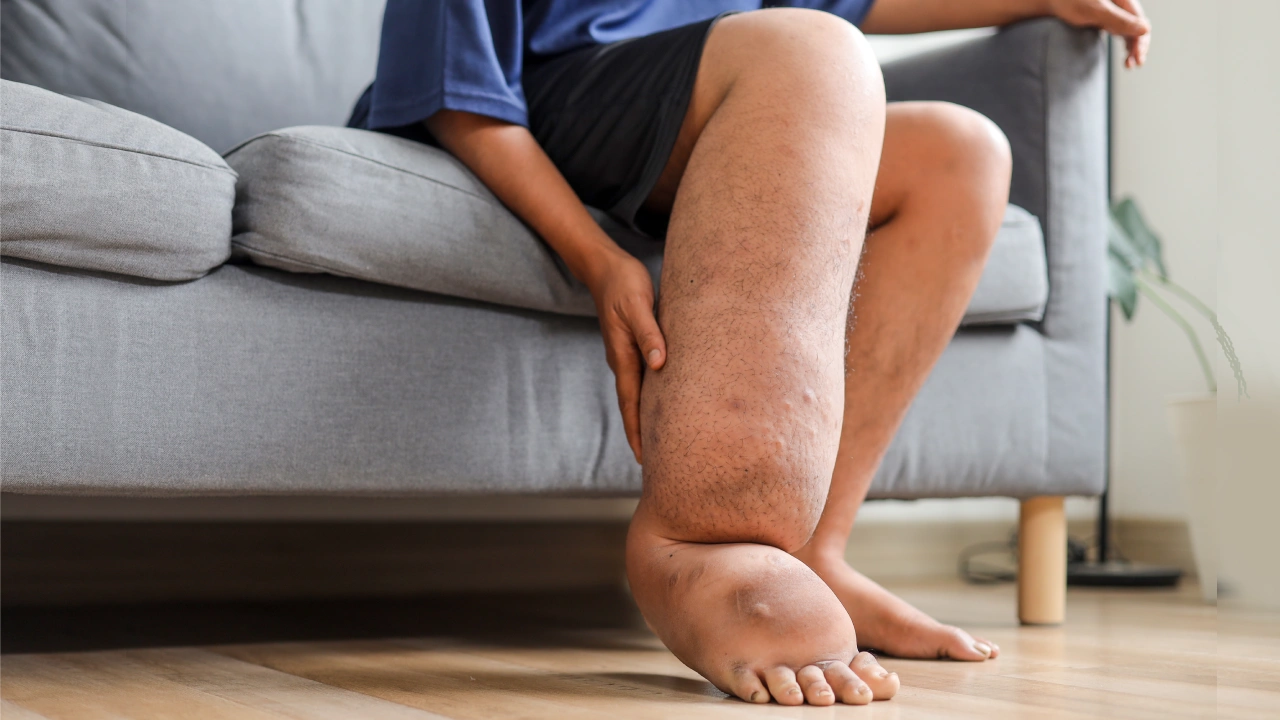
Lymphedema Therapy in Hamilton: What to Expect and How to Manage Swelling Effectively
The Overlooked Role of Lymphatic Flow in Post-Surgical Recovery
Post-surgical swelling can be frustrating. The incision may be closed, the bruising may have faded, and yet certain areas of the body still feel puffy, heavy, tight, or uncomfortable. Why does this happen?
One overlooked part of recovery is the lymphatic system. While most people associate post-operative care with rest, wound care, and follow-up appointments, fluid movement through the body’s lymphatic network also deserves attention.
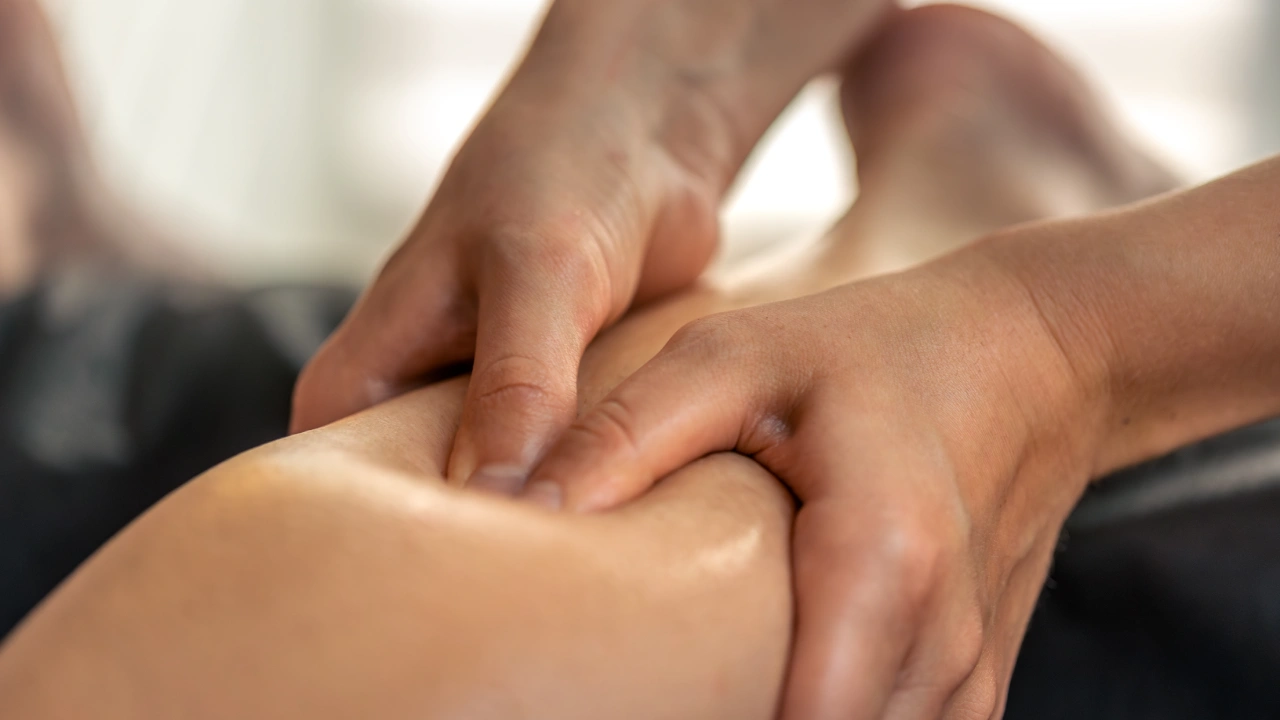
Manual Lymphatic Drainage uses gentle, rhythmic skin movements to encourage lymph fluid to move through functioning lymphatic pathways. Unlike deep tissue massage, it does not rely on forceful pressure or attempts to work deeply into muscles.
For people recovering from cosmetic or medical procedures in Hamilton, knowing when this approach may be appropriate can help them make informed decisions about post-operative care.
But there is an important distinction: not every swollen area needs massage, and not every recovery concern is caused by lymphatic congestion. Let’s look at what happens beneath the skin, which symptoms deserve attention, and what patients should know before booking a session.
What Is Manual Lymphatic Drainage and Why Does It Matter?
Your lymphatic system works continuously, even when you are asleep. It is a network of vessels, lymph nodes, and organs that helps maintain fluid balance and supports immune function.
As blood circulates, some fluid moves out of small blood vessels and enters surrounding tissues. The lymphatic system collects much of this excess fluid and returns it to the bloodstream.
When this process becomes disrupted, fluid can accumulate in tissues and contribute to swelling.
What happens during lymphatic drainage?
Manual Lymphatic Drainage is a gentle massage approach that uses slow, rhythmic movements to encourage lymph fluid to move towards functioning lymphatic pathways.
Rather than pushing firmly into muscles, the practitioner applies light movements to the skin.
The process may involve:
- Preparing nearby lymphatic regions.
- Using gentle movements along selected pathways.
- Working around areas of swelling according to the patient’s condition.
- Following an appropriate sequence based on the individual’s lymphatic concerns.
The purpose is to encourage fluid movement, not to force fluid through the body.
Why isn’t deep pressure necessary?
Lymphatic vessels are located close to the skin’s surface. Heavy pressure is not required to stimulate the superficial lymphatic network.
In fact, excessive pressure may irritate sensitive tissues and increase discomfort.
This is particularly relevant after surgery, when tissues may still be tender and vulnerable.
The Hidden Connection Between Surgery, Swelling, and Lymphatic Flow
Why can swelling remain even when the surgical incision appears to be closing?
Surgery creates controlled tissue injury. As part of the body’s response, inflammation develops around the affected area. Blood vessels become more permeable, allowing fluid and immune cells to enter surrounding tissues.
Some of this fluid is collected by the lymphatic system.
However, surgical procedures can temporarily affect normal fluid movement. Tissue changes, inflammation, altered movement, and disruption to lymphatic vessels may all contribute to swelling.
Four factors that may contribute to post-operative swelling
1. Inflammation following surgery
Inflammation is part of the body’s response to tissue injury. It can contribute to tenderness, warmth, and swelling around the surgical area.
2. Changes to lymphatic pathways
Certain procedures may affect lymphatic vessels or lymph nodes. These changes can interfere with the normal movement of fluid.
3. Reduced physical activity
Patients are often advised to limit certain movements after surgery. Reduced muscle activity may influence circulation and fluid movement.
4. Tissue sensitivity
Recently operated tissues can remain sensitive. Applying excessive pressure or using inappropriate massage techniques may cause additional discomfort.
Is swelling always part of normal recovery?
Not necessarily.
Some swelling is expected after many surgical procedures, but its pattern, severity, and duration vary.
Sudden swelling, increasing pain, unusual redness, warmth, fever, or other concerning changes should not be treated as routine recovery symptoms.
A healthcare provider should assess these symptoms before any massage-based treatment is considered.
7 Signs You May Benefit From Lymphatic Support
Could that persistent puffiness be more than an ordinary recovery inconvenience?
Certain symptoms may indicate that a discussion about lymphatic care is worth having. However, these signs do not establish a diagnosis or automatically mean massage is appropriate.
1. Persistent swelling following surgery
Swelling that remains around an operated area may warrant further assessment, particularly if it is not following the recovery pattern described by your surgeon.
2. A feeling of heaviness
Some people describe an affected arm, leg, or body area as unusually heavy. This sensation can occur alongside fluid accumulation.
3. Visible fluid-related puffiness
Changes in the size or appearance of an area may be associated with swelling. A healthcare provider can help identify its cause.
4. Swelling that restricts everyday movement
An enlarged or swollen area may make bending, reaching, walking, or wearing ordinary clothing uncomfortable.
5. Tissue tightness
Some patients notice tightness or a feeling of fullness around affected tissues. This symptom can have several causes, including post-operative inflammation.
6. Swelling after cosmetic procedures
Procedures such as liposuction, abdominoplasty, and certain facial surgeries can involve post-operative swelling.
The appropriate recovery approach depends on the procedure and the surgeon’s instructions.
7. Lymphatic concerns identified by a healthcare provider
A healthcare professional may identify lymphatic dysfunction or recommend assessment by a practitioner trained in lymphatic care.
If you recognize any of these symptoms, discuss them with your healthcare provider before arranging treatment.
Manual Lymphatic Drainage vs. Deep Tissue Massage: What Is the Difference?
Here is a misconception that can create confusion during recovery: all massage treatments work in essentially the same way.
They do not.
Although both involve hands-on techniques, their purpose, pressure, and movements differ.
| Comparison | Lymphatic drainage | Deep tissue massage |
| Main purpose | Encourage lymph fluid movement | Address muscle tension |
| Pressure | Very light | Moderate to firm |
| Movements | Slow and rhythmic | Deeper, targeted movements |
| Main focus | Superficial lymphatic pathways | Muscles and deeper tissues |
| Post-operative use | Only when medically appropriate | Often unsuitable over healing tissues without clearance |
Why choosing the right technique matters
Deep tissue massage focuses on muscles and connective tissues. It may use sustained pressure, kneading, and friction.
Lymphatic techniques use much lighter movements to encourage fluid flow through the lymphatic network.
These approaches are not interchangeable.
Someone recovering from surgery should not assume that a regular massage appointment is suitable simply because the treatment area feels tight.
The surgeon’s instructions, the patient’s condition, and the practitioner’s training all matter.
How Lymphatic Treatment Works During Post-Operative Recovery
What actually happens when someone visits a clinic for lymphatic care?
The process should begin with an assessment rather than immediately moving into massage techniques.
Initial assessment
Before starting, we would discuss relevant recovery information, including:
- The type of surgical procedure.
- The date of surgery.
- Current swelling and discomfort.
- Existing health conditions.
- Current post-operative instructions.
- Any concerns raised by the surgeon.
We would also consider precautions and situations where treatment should be postponed.
If swelling has not been medically assessed or its cause is unclear, medical evaluation should come first.
Gentle lymphatic techniques
When treatment is appropriate, gentle, rhythmic skin movements are used along selected lymphatic pathways.
The pressure remains light. The aim is not to press deeply into the operated area or manipulate healing tissues.
The sequence and treatment areas depend on the patient’s condition and the procedure they have undergone.
Treatment areas and session planning
Not every patient requires the same approach.
For example, someone recovering from abdominal surgery may have different treatment considerations from someone recovering from facial surgery.
Session frequency also varies.
Factors may include:
- The surgical procedure.
- The amount and location of swelling.
- The patient’s recovery progress.
- Medical instructions.
- Other treatments being used.
Progress should be reviewed rather than assuming that everyone needs a fixed number of appointments.
Aftercare and recovery considerations
What happens outside the treatment room matters too.
Patients should:
- Maintain normal hydration unless their healthcare provider has advised fluid restrictions.
- Follow the surgeon’s activity recommendations.
- Resume gentle movement only when medically permitted.
- Follow wound-care instructions.
- Attend scheduled medical follow-ups.
- Report unusual swelling, pain, redness, or other new symptoms.
A massage session should never replace prescribed post-operative care.
6 Mistakes People Make After Cosmetic or Medical Surgery
Could an ordinary recovery decision create unnecessary complications?
Post-operative care involves more than waiting for bruising and swelling to disappear. Certain choices can interfere with recovery or expose sensitive tissues to unnecessary stress.
Here are six mistakes worth avoiding.
1. Starting massage without medical clearance
Not every surgical procedure follows the same recovery schedule. Starting massage too soon may expose healing tissues to unnecessary pressure.
Ask your surgeon when hands-on treatment is permitted.
2. Choosing deep tissue massage instead of lymphatic techniques
A firm massage may feel appealing when an area feels tight, but deep pressure is not a substitute for lymphatic work.
Ask what technique is being used and whether it is appropriate for your procedure.
3. Ignoring persistent or increasing swelling
Some swelling is expected after surgery, but changes in its severity or appearance deserve attention.
Do not assume that every swollen area will settle without assessment.
4. Applying excessive pressure to sensitive tissues
Pressing, kneading, or rubbing a recently operated area can cause discomfort and may irritate vulnerable tissues.
Avoid self-massage unless your healthcare provider has explained which movements are permitted.
5. Following random online recovery advice
A technique that someone recommends in a social media video may not be appropriate for another person’s surgical procedure.
Recovery instructions should come from qualified healthcare providers who know your medical history.
6. Missing follow-up appointments
Surgeon appointments help monitor wound closure, swelling, tissue changes, and possible complications.
Skipping these visits can mean that concerning changes go unassessed.
Who May Consider Lymphatic Care in Hamilton?
Is this treatment only for people who have undergone cosmetic surgery?
No. Lymphatic care may be relevant in several situations, although eligibility depends on the underlying cause of swelling and a person’s medical circumstances.
People who may be assessed include:
- Cosmetic surgery patients: Individuals recovering from procedures such as liposuction, tummy tucks, and certain facial operations.
- Patients recovering from medical procedures: People whose procedures have affected normal lymphatic pathways.
- Individuals with lymphatic concerns: People who have been assessed for swelling associated with lymphatic dysfunction.
- Patients with procedure-related swelling: Individuals experiencing fluid accumulation following certain medical interventions.
- People referred by healthcare providers: Patients whose surgeon, physician, or other healthcare provider has recommended an assessment.
One important point: swelling can also result from infection, blood clots, heart or kidney conditions, and other medical problems.
These conditions require appropriate medical attention rather than an automatic referral for massage.
When should treatment be postponed?
Lymphatic massage may be unsuitable in certain circumstances.
Precautions include:
- Suspected or confirmed acute blood clots.
- Active skin or tissue infection.
- Fever or acute illness.
- Unstable heart conditions.
- Certain kidney or cardiovascular conditions.
- Unexplained or rapidly increasing swelling.
This list is not exhaustive. Medical history and current symptoms must be reviewed before treatment.
Why Hamilton Residents Should Pay Attention to Post-Operative Swelling
After surgery, patients often focus on wound care, medication schedules, rest, and follow-up appointments. However, questions about persistent swelling can remain unanswered.
For residents of Hamilton, knowing where to discuss lymphatic care is another part of planning post-operative support.
Whether you live near downtown Hamilton, Stoney Creek, Ancaster, Dundas, or surrounding communities, consider these three points when looking for a local provider.
Check the practitioner’s training.
Ask about their education in lymphatic techniques, experience with post-operative cases, and knowledge of surgical precautions.
Ask about communication with your surgeon.
A practitioner should respect medical instructions and recognize when a patient’s symptoms require further assessment.
Avoid clinics that promise instant results.
Swelling has different causes, and recovery varies between individuals. No practitioner should guarantee a particular outcome or claim that massage will eliminate every form of fluid accumulation.
For Hamilton residents, the priority should be finding a provider who takes surgical history, current symptoms, and medical clearance seriously.
Frequently Asked Questions About Lymphatic Drainage
1. What does Manual Lymphatic Drainage feel like?
Most patients describe the technique as gentle and rhythmic rather than forceful. The practitioner uses light skin movements instead of deep pressure.
You may notice a relaxing sensation during the session. However, the treatment should not cause significant pain.
2. Is Manual Lymphatic Drainage suitable after cosmetic surgery?
It may be appropriate for certain patients recovering from cosmetic procedures.
However, suitability depends on the operation, healing progress, swelling, and medical history. Patients should obtain their surgeon’s clearance before starting treatment.
3. How soon after surgery can I start lymphatic drainage?
There is no universal starting date.
Some procedures have specific restrictions on massage, while others may permit certain techniques earlier. Your surgeon should determine when hands-on treatment can begin.
Never use a general online recovery timeline as a substitute for post-operative instructions.
4. How many Manual Lymphatic Drainage sessions might I need?
The number varies from person to person.
Factors include:
- The type of surgery.
- The location and severity of swelling.
- The patient’s medical history.
- Recovery progress.
- Whether additional treatments are required.
An assessment can help determine whether sessions are appropriate and how progress should be monitored.
5. Is Manual Lymphatic Drainage the same as a regular massage?
No. Regular massage may focus on muscle tension, stiffness, and soft-tissue discomfort.
Lymphatic drainage uses light, rhythmic skin movements to encourage lymph fluid movement.
The two treatments have different purposes and should not be substituted for one another, particularly during post-operative recovery.
6. Where can I find Manual Lymphatic Drainage in Hamilton?
Hamilton residents looking for lymphatic care can contact a local clinic that provides lymphatic treatments.
Before booking, ask about practitioner training, post-operative precautions, assessment procedures, and whether the clinic requires surgeon clearance.
At Wellness Flowz Lymphatic Recovery Center, we can discuss your recovery concerns and assess whether lymphatic treatment is appropriate for your circumstances.
Take the Next Step Towards Your Recovery
Post-operative swelling is not something patients should automatically dismiss, particularly when it persists, increases, or interferes with everyday activities.
The lymphatic system plays an important role in maintaining fluid balance, and appropriate care may form part of a recovery plan for certain patients.
Manual Lymphatic Drainage is not a detoxification treatment, a replacement for medical care, or a solution for every type of swelling. Its suitability depends on the patient’s condition, surgical history, and medical clearance.
If you are considering lymphatic care in Hamilton, our team at Wellness Flowz Lymphatic Recovery Center can discuss your concerns and explain the next steps.
Contact our clinic:
- Phone: +1 365-323-0629
- Address: 25 Charlton Ave E #202, Hamilton, ON L8N 1Y2, Canada
Call +1 365-323-0629 to discuss your recovery concerns and arrange an appointment.