Understanding Lymphedema, Its Symptoms, and Lymphatic Care Options in Hamilton
Lymphedema is a condition that can affect everyday comfort, movement, and physical activities. It develops when excess lymphatic fluid accumulates in body tissues, causing swelling that may occur in the arms, legs, hands, feet, or other areas. For some individuals, the condition develops after cancer treatment or surgery, while others may experience swelling because of inherited lymphatic system problems or other medical conditions.
Living with persistent swelling can create several challenges. Clothing may feel tighter, affected limbs may feel heavy, and everyday activities such as walking, working, exercising, or completing household tasks may become difficult. Without appropriate attention, lymphedema may also contribute to skin changes and recurring infections.
Learning about the lymphatic system, recognizing early symptoms, and seeking appropriate clinical care can help individuals manage these challenges. Lymphedema Therapy and lymphatic care focus on managing fluid accumulation, supporting lymphatic circulation, protecting skin health, and helping individuals maintain their daily routines.
For residents seeking information about lymphatic health in Hamilton, Wellness Flowz Lymphatic Recovery Centre provides a local point of contact for exploring lymphatic care and discussing individual treatment needs.
This patient guide explains what lymphedema is, why it develops, which symptoms to watch for, what treatment may involve, and how daily care habits can contribute to swelling management.
What Is Lymphedema?
Lymphedema is a chronic condition involving an abnormal accumulation of lymphatic fluid in body tissues. It occurs when the lymphatic system cannot transport fluid away from affected areas efficiently.
The lymphatic system is an important part of the body’s circulatory and immune systems. It consists of lymph vessels, lymph nodes, and other structures that collect excess fluid from tissues, transport it through the body, and help filter harmful substances.
Under normal circumstances, lymphatic vessels carry fluid towards larger lymphatic channels before returning it to the bloodstream. When these pathways become damaged, blocked, or underdeveloped, fluid can accumulate and cause swelling.
Lymphedema most commonly affects the arms and legs, although it can also develop in the chest, abdomen, head, neck, or genital region.
The condition may develop gradually, making early symptoms easy to overlook. Some people initially notice mild swelling or a sensation of heaviness before more visible changes appear.
Appropriate assessment helps determine the possible cause of swelling and whether lymphatic care should form part of an individual’s management plan.
What Causes Lymphedema?
Lymphedema generally falls into two main categories: primary and secondary.
Primary Lymphedema
Primary lymphedema develops because of abnormalities in the lymphatic system. These abnormalities may be present from birth or become noticeable later in life.
Possible contributing factors include:
- Underdeveloped lymphatic vessels.
- Abnormal lymphatic valve function.
- Inherited conditions affecting lymphatic development.
- Changes in lymphatic function that appear during adolescence or adulthood.
Although primary lymphedema is relatively uncommon, its symptoms can emerge at different stages of life.
Secondary Lymphedema
Secondary lymphedema develops when an otherwise functioning lymphatic system becomes damaged or disrupted.
Common causes include:
- Cancer surgery: Removal of lymph nodes during cancer treatment may interfere with normal lymph drainage.
- Radiation therapy: Radiation may cause tissue changes and scarring that affect lymphatic pathways.
- Infections: Certain infections can damage lymphatic vessels or contribute to obstruction.
- Physical trauma: Significant injuries may affect lymphatic structures.
- Medical procedures: Some surgical procedures can interfere with lymphatic drainage.
- Cancer-related obstruction: Tumours may sometimes restrict the movement of lymphatic fluid.
Understanding the possible cause is an important part of determining appropriate care. A healthcare professional can assess symptoms, medical history, and risk factors before recommending further evaluation.
Common Signs and Symptoms of Lymphedema
Recognizing symptoms early can help individuals seek assessment before swelling becomes more pronounced.
Common signs include:
Persistent Swelling
Swelling in an arm, leg, hand, foot, or another body area is one of the most recognizable symptoms. It may initially appear occasionally before becoming more persistent.
A Feeling of Heaviness
The affected limb may feel unusually heavy, tight, or uncomfortable. Some individuals notice this sensation even when visible swelling is relatively mild.
Tightness in Clothing or Jewellery
Rings, watches, sleeves, socks, and shoes may begin to feel tighter because of changes in limb size.
Reduced Movement
Fluid accumulation and tissue changes may affect joint flexibility. Moving the affected arm or leg may become increasingly difficult.
Skin Changes
The skin may become dry, thickened, or less flexible. Some individuals also notice changes in skin texture.
Recurring Skin Infections
Lymphedema can increase the risk of cellulitis, a bacterial skin infection. Symptoms may include redness, warmth, tenderness, swelling, and fever.
Sudden swelling, redness, warmth, fever, or rapidly increasing discomfort requires prompt medical assessment. Sudden swelling in one leg or arm can also have causes unrelated to lymphedema, including blood clots.
Why Early Lymphatic Care Matters
Lymphedema requires ongoing attention because it is generally a chronic condition. Although it may not always be possible to reverse the underlying lymphatic damage, appropriate management can help control swelling and reduce the risk of complications.
Lymphedema Therapy and Lymphatic Care may form part of a management plan that focuses on several areas:
- Managing excess fluid accumulation.
- Supporting lymphatic drainage.
- Maintaining comfortable movement.
- Protecting the skin from damage.
- Reducing the risk of infection.
- Supporting everyday physical activities.
Early assessment also helps identify changes that may require additional medical investigation.
For people in Hamilton, discussing persistent swelling with a qualified healthcare professional can help establish whether the symptoms are associated with lymphedema or another medical condition.
What Does Lymphedema Therapy Involve?
Treatment usually involves a combination of clinical approaches rather than relying on one procedure. The exact approach depends on the affected body area, swelling severity, medical history, skin condition, and individual health requirements.
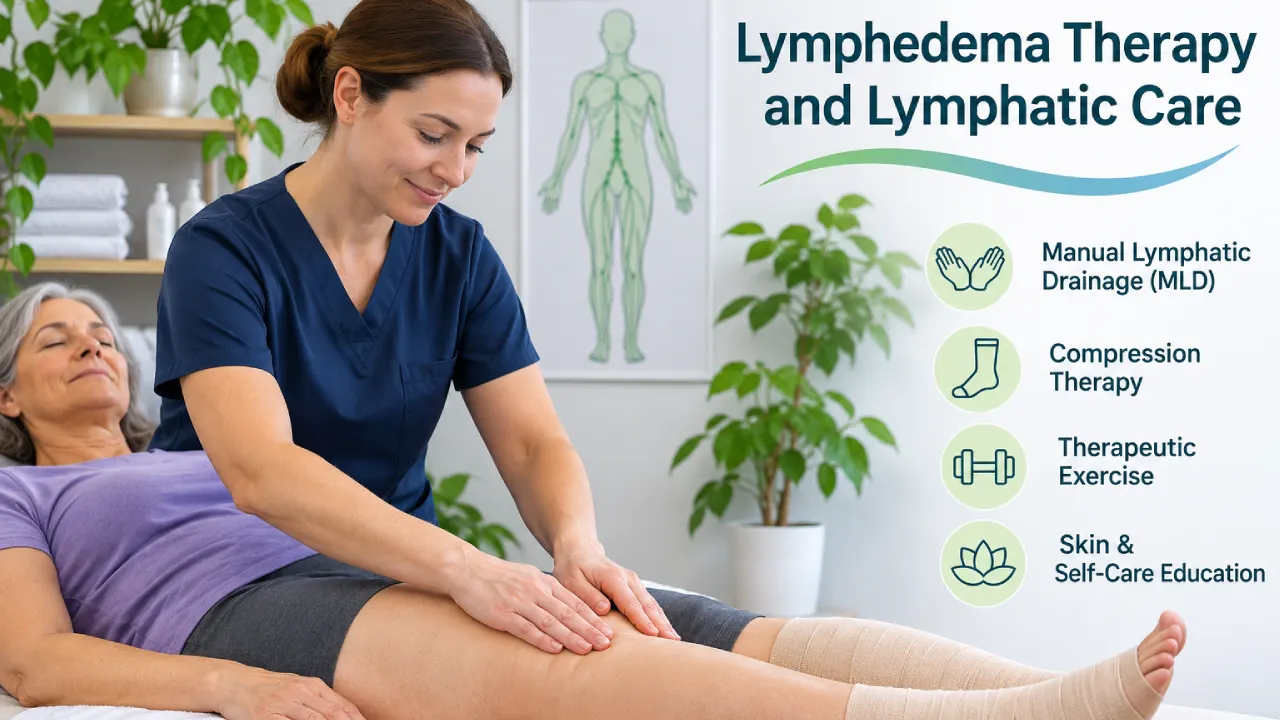
One commonly recommended approach is Complete Decongestive Therapy (CDT), also known as Decongestive Lymphatic Therapy (DLT).
This approach generally combines four main components.
A. Manual Lymphatic Drainage
Manual Lymphatic Drainage (MLD) is a gentle, hands-on technique that uses specific movements to encourage lymph fluid movement through available lymphatic pathways.
Unlike traditional massage, MLD uses light pressure and follows the direction of lymphatic drainage. It may be used to direct fluid towards functioning lymphatic regions.
Potential purposes include
- Supporting lymphatic fluid movement.
- Managing swelling in affected body areas.
- Addressing sensations of tightness and heaviness.
- Supporting other components of lymphedema management.
MLD should be performed by a practitioner with appropriate training in lymphatic care. It may not be suitable in certain medical circumstances, including acute infections or suspected blood clots.
B. Compression Therapy
Compression is an important component of lymphedema management. It involves wearing specially fitted garments or using compression bandages to help control fluid accumulation.
Common compression options include:
- Compression sleeves for the arms.
- Compression stockings for the legs.
- Multilayer compression bandages.
- Adjustable compression wraps.
- Compression garments for other affected areas.
Compression applies controlled external pressure to tissues, helping limit additional fluid accumulation.
The appropriate garment depends on limb measurements, swelling severity, skin condition, and medical requirements. Patients should receive professional assessment before starting compression, particularly when circulation problems or other medical conditions are present.
C. Therapeutic Exercise
Movement supports the natural pumping action of muscles, which contributes to lymphatic fluid movement.
A suitable exercise routine may include:
- Gentle walking.
- Ankle movements.
- Arm and shoulder mobility exercises.
- Controlled breathing.
- Gentle stretching.
- Low-impact physical activities.
Exercises should match the person’s physical abilities and current health status. Patients may need adjustments based on swelling, mobility restrictions, surgical history, or other conditions.
D. Skin Care
Skin protection is another important part of lymphatic management. Swollen tissues may be more vulnerable to skin damage and infection.
Daily skin care may include:
- Washing the affected area gently.
- Drying skin thoroughly, especially between the toes and fingers.
- Applying a suitable moisturizer.
- Checking for cuts, scratches, cracks, or redness.
- Keeping nails clean and trimmed.
- Protecting the skin from insect bites and burns.
Prompt attention to skin changes can help reduce the risk of complications.
Who May Benefit from Lymphatic Care?
People with different medical histories may develop lymphatic problems. Identifying those who may require assessment helps encourage earlier clinical attention.
Lymphedema Therapy and Lymphatic Care may be considered for individuals experiencing the following circumstances:
Cancer survivors: People who have undergone lymph node removal or radiation therapy may develop swelling in nearby body areas.
Post-surgical patients: Certain surgical procedures may disrupt lymphatic pathways, resulting in fluid accumulation.
Individuals with primary lymphedema: People born with lymphatic abnormalities may require ongoing clinical monitoring and swelling management.
People with recurring limb swelling: Persistent swelling without a clear explanation should be assessed to identify its underlying cause.
Individuals with reduced mobility: Limited movement may contribute to fluid accumulation, although not all swelling associated with reduced mobility is lymphedema.
People with previous lymphatic injuries: Trauma or infections affecting lymphatic structures may contribute to drainage problems.
It is important to remember that swelling does not automatically indicate lymphedema. Heart, kidney, liver, venous, and other medical conditions can also cause fluid accumulation. A proper medical assessment helps distinguish between these conditions.
What Happens During a Lymphedema Assessment?
An initial assessment helps establish the possible cause and extent of swelling. It also helps determine which management approaches may be appropriate.
Patients considering Lymphedema Therapy and Lymphatic Care in Hamilton should expect the assessment process to involve several areas of discussion.
Medical History
The practitioner may ask about:
- Previous surgeries.
- Cancer diagnosis and treatment history.
- Previous infections or injuries.
- Current health conditions.
- When swelling first appeared.
- Changes in swelling throughout the day.
- Previous compression or lymphatic treatments.
Physical Examination
The affected body area may be examined for swelling, skin changes, tissue firmness, and movement restrictions.
Measurements may be taken around different sections of an arm or leg to document limb size and monitor changes over time.
Movement Assessment
Joint movement and general mobility may also be assessed. This helps identify whether swelling is affecting daily activities.
Discussion of Care Options
Following the assessment, the practitioner can discuss possible management approaches and whether additional medical investigation is required.
Patients should feel comfortable asking questions about practitioner qualifications, treatment methods, possible risks, and the expected frequency of appointments.
Daily Habits That Support Lymphatic Health
Clinical care is only one part of managing lymphedema. Everyday habits also play an important role in maintaining skin health, physical activity, and swelling control.
Here are several practical habits to discuss with your healthcare provider.
Stay Physically Active
Regular movement can support muscle activity and lymphatic circulation. Walking, swimming, and gentle mobility exercises may be suitable for some individuals.
Start gradually and follow any activity restrictions provided by your healthcare team.
Avoid Prolonged Inactivity
Remaining in one position for extended periods may contribute to swelling. Taking movement breaks during desk work, travel, or other seated activities may help.
Protect Your Skin
Use moisturizer regularly and inspect the affected area for skin changes. Avoid activities that may cause cuts, burns, or unnecessary skin irritation.
Follow Compression Instructions
If compression garments have been prescribed, follow instructions regarding wearing schedules, washing, and replacement.
Avoid purchasing compression garments based only on general sizing charts. Incorrect pressure or fit may create complications.
Maintain a Balanced Diet
A varied eating pattern with vegetables, fruits, whole grains, protein sources, and adequate fluids supports general health.
No particular food or diet can eliminate lymphedema. People with other health conditions may require specific dietary advice.
Monitor Changes in Swelling
Keeping a simple record of swelling, skin changes, and physical activity can help identify patterns.
Share significant changes with your healthcare provider rather than attempting to manage unexplained swelling independently.
Why Choose a Local Lymphatic Care Centre in Hamilton?
Access to local care can make appointment scheduling and follow-up visits more convenient. For individuals managing a chronic condition, having a nearby centre may also make it easier to discuss changes in symptoms and maintain regular appointments.
Wellness Flowz Lymphatic Recovery Centre in Hamilton is the business featured in this patient guide.
When exploring Lymphedema Therapy and Lymphatic Care, patients should consider several factors before selecting a centre:
- Practitioner qualifications: Ask about training in lymphedema management and manual lymphatic drainage.
- Assessment procedures: Find out whether an initial assessment is completed before treatment begins.
- Individual care planning: Ask how the approach is selected according to medical history and swelling patterns.
- Compression knowledge: Check whether practitioners understand compression garment fitting and safety considerations.
- Communication: Patients should receive clear explanations about procedures, expected outcomes, and possible limitations.
- Follow-up arrangements: Ask how progress is monitored and when additional medical assessment may be necessary.
Choosing a centre should involve checking qualifications, available services, and whether its clinical approach is appropriate for your condition.
What to Expect During Ongoing Lymphedema Management
Lymphedema management is generally divided into two phases: an intensive swelling-reduction phase and a maintenance phase.
Intensive Phase
During this stage, the main objective is to reduce excess fluid and manage swelling. Depending on clinical requirements, the care plan may include:
- Manual lymphatic drainage.
- Compression bandaging.
- Skin care.
- Therapeutic exercises.
- Education about daily self-care.
Appointment frequency depends on swelling severity, medical circumstances, and the practitioner’s assessment.
Maintenance Phase
Once swelling has been reduced, the focus shifts towards maintaining the results achieved during the initial phase.
This stage may include:
- Wearing prescribed compression garments.
- Maintaining regular physical activity.
- Following a daily skin care routine.
- Monitoring limb measurements.
- Performing recommended self-care exercises.
- Attending follow-up appointments.
Lymphedema Therapy and Lymphatic Care during both phases can help patients establish a consistent approach to managing their condition.
It is important to understand that lymphedema is generally a chronic condition. Treatment aims to manage symptoms and complications rather than promise a permanent cure.
When Should You Seek Medical Attention?
Although some swelling develops gradually, certain symptoms require prompt medical assessment.
Contact a healthcare professional if you notice:
- New or unexplained swelling in an arm or leg.
- Increasing tightness or heaviness.
- Persistent skin changes.
- Reduced movement in an affected limb.
- Swelling that continues to increase.
- Repeated episodes of skin infection.
Seek urgent medical attention if the affected area becomes suddenly red, hot, or painful, particularly when accompanied by fever or chills. Sudden swelling, chest pain, or shortness of breath also requires urgent assessment.
Patients receiving Lymphedema Therapy and Lymphatic Care should communicate new symptoms to their healthcare team rather than assuming every change is part of their existing condition.
Frequently Asked Questions
1. What is the main purpose of lymphedema therapy?
The main purpose is to manage excess lymphatic fluid, control swelling, protect skin health, and maintain physical function. Treatment may include manual lymphatic drainage, compression, exercise, and skin care, depending on individual clinical requirements.
2. Can lymphedema go away permanently?
Lymphedema is generally a chronic condition, and there is currently no established permanent cure. However, appropriate management may reduce swelling and help control symptoms. Ongoing self-care and clinical monitoring are often necessary.
3. Is manual lymphatic drainage painful?
Manual lymphatic drainage is generally a gentle technique involving light pressure rather than deep tissue manipulation. Most patients should not experience pain during the procedure. However, it may not be appropriate in certain medical circumstances, so an initial assessment is important.
4. How often should someone receive lymphedema therapy?
Appointment frequency varies according to swelling severity, treatment phase, medical history, and individual response. Some patients may require frequent appointments during the initial phase, followed by periodic visits during maintenance.
5. Where can I learn about Lymphedema Therapy and Lymphatic Care in Hamilton?
Individuals in Hamilton can contact Wellness Flowz Lymphatic Recovery Centre to ask about its available lymphatic care services, practitioner qualifications, assessment procedures, and appointment arrangements.
Take The Next Step.
Living with lymphedema can affect movement, comfort, clothing choices, and everyday routines. However, learning about the condition and following an appropriate management plan can help individuals address swelling and monitor changes in their health.
From recognizing early symptoms and protecting skin health to understanding compression therapy and manual lymphatic drainage, each aspect of care plays a role in managing lymphatic conditions.
Lymphedema Therapy and Lymphatic Care should always take individual medical circumstances into account. Professional assessment, suitable treatment methods, and consistent self-care are important parts of managing this condition.
Take the next step towards managing your lymphatic health. Contact Wellness Flowz Lymphatic Recovery Centre in Hamilton today to discuss your concerns, ask about available care options, and arrange an initial consultation.
Phone: +1 365-323-0629
Address: 25 Charlton Ave E #202, Hamilton, ON L8N 1Y2, Canada