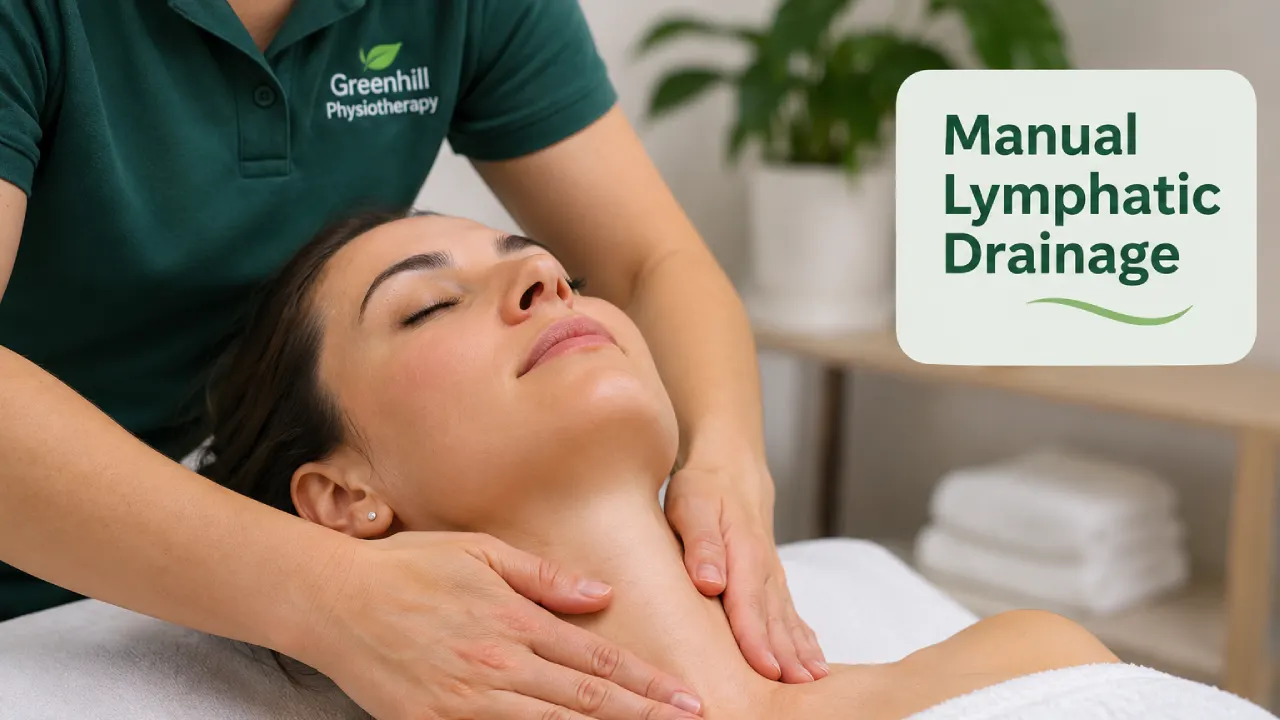
Supporting Post-Surgical and Injury Recovery Through Lymphatic Care in Hamilton
Surgery and physical injuries can place considerable stress on the body. Whether someone is recovering from an operation, a sports injury, a fracture, or an accident, swelling and fluid accumulation can make everyday activities challenging. Post-surgical inflammation, tissue damage, restricted movement, and discomfort may also affect how quickly someone returns to their regular routine.
One approach that may support the body’s natural recovery processes is Manual Lymphatic Drainage. This gentle, hands-on technique focuses on stimulating lymphatic flow to help manage excess fluid in the tissues. By addressing swelling and supporting normal lymph circulation, it may contribute to a more comfortable rehabilitation process for suitable individuals.
For people in Hamilton, Wellness Flowz provides an opportunity to explore lymphatic drainage as part of a broader approach to post-surgical and injury recovery. Knowing how the lymphatic system works, when this technique may be appropriate, and what to expect during a session can help individuals make informed decisions about their recovery journey.
What Is Manual Lymphatic Drainage?
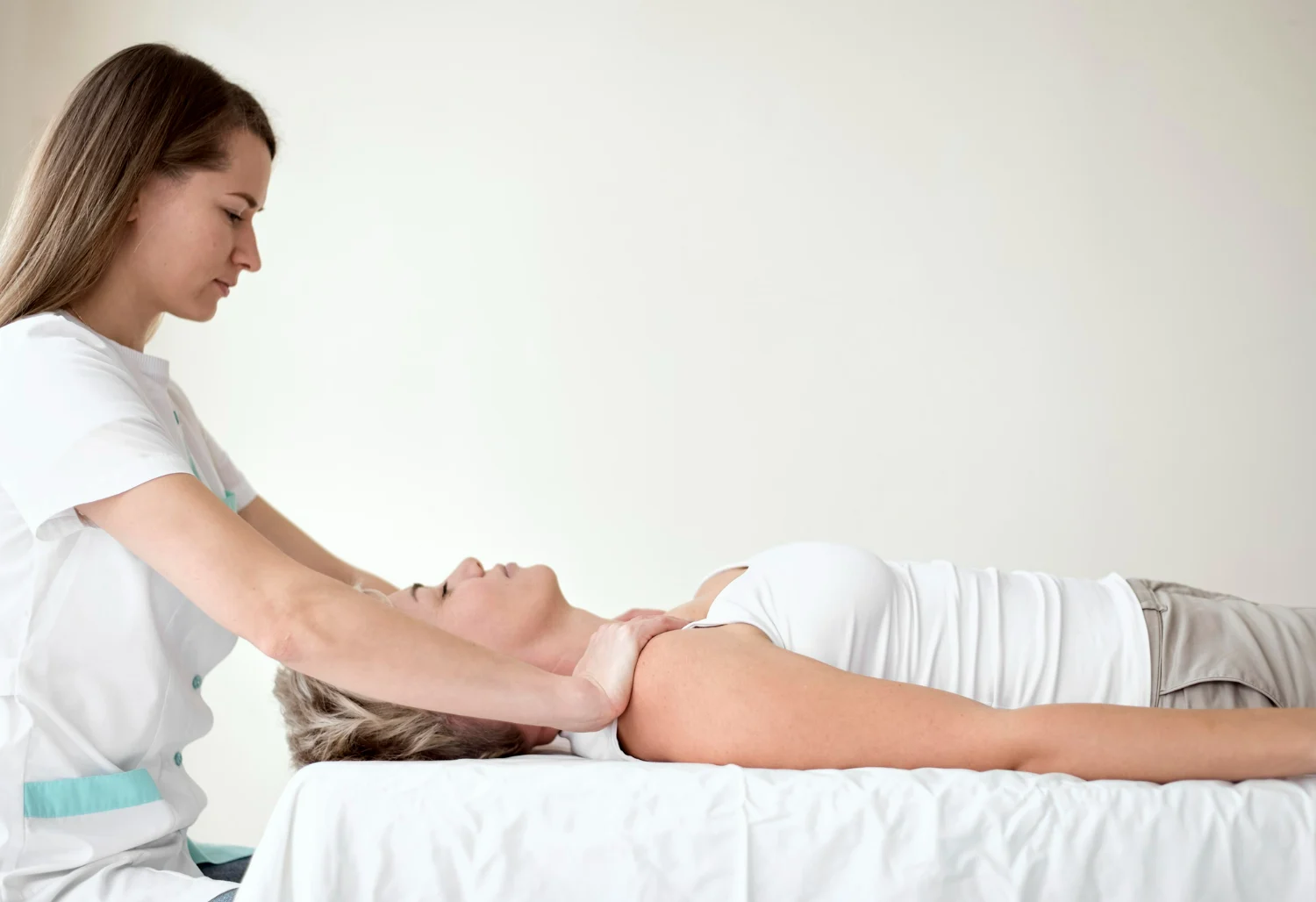
Manual Lymphatic Drainage is a gentle massage technique that uses slow, rhythmic, and controlled movements to encourage the movement of lymph fluid through the lymphatic system.
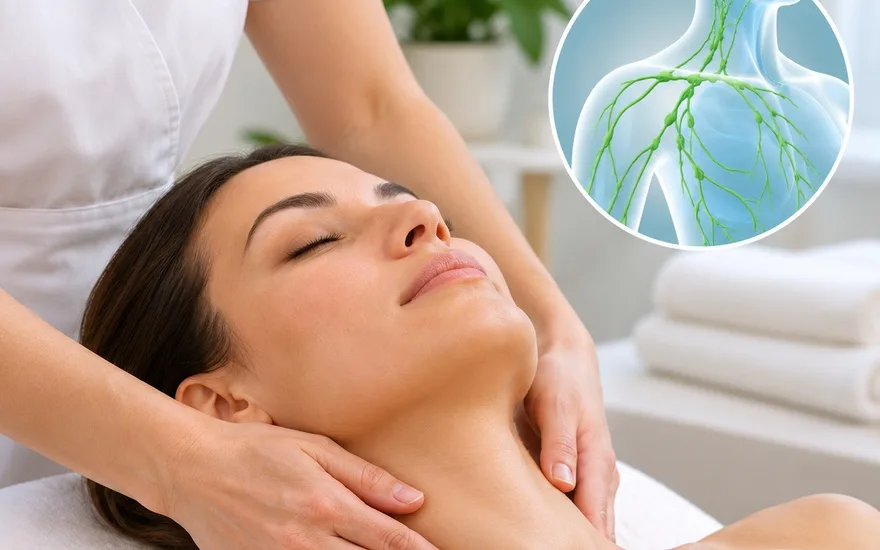
The lymphatic system is an important part of the body’s circulatory and immune systems. It consists of lymph vessels, lymph nodes, and other structures that transport lymph fluid throughout the body. This fluid carries proteins, cellular waste, and other substances from surrounding tissues towards the lymphatic circulation.
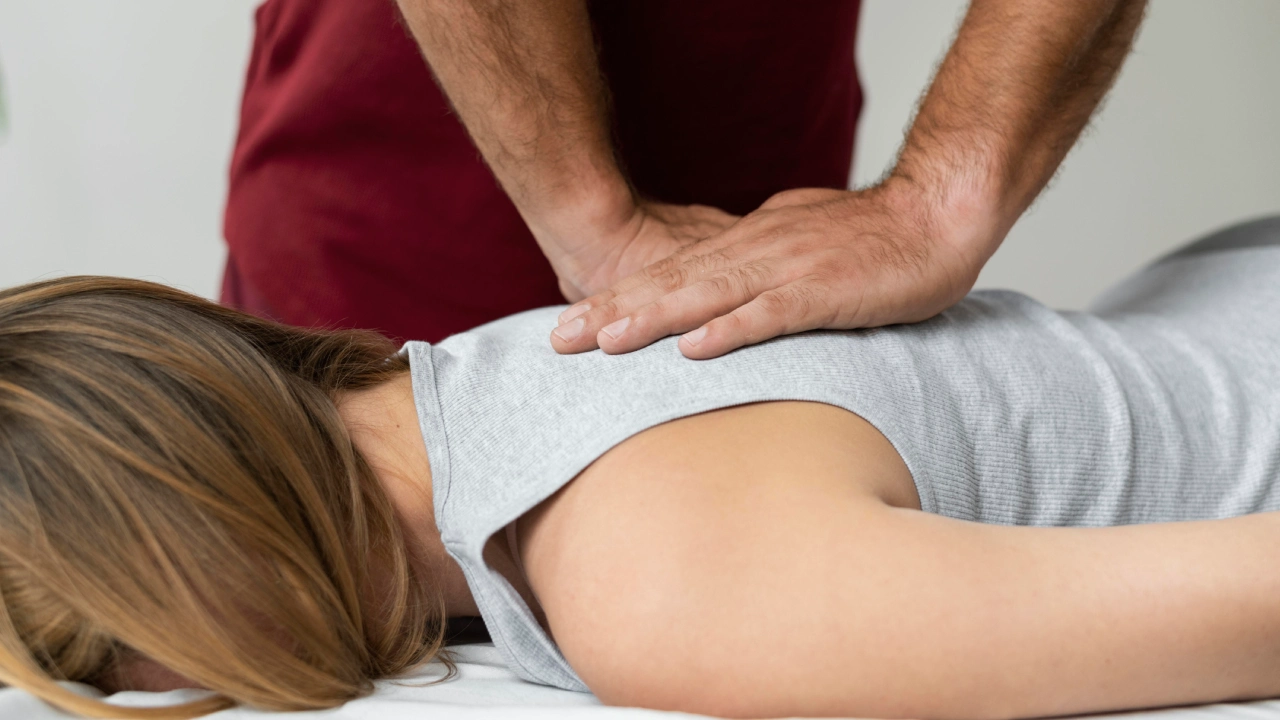
Unlike traditional massage, which may involve deeper pressure to address muscle tension, lymphatic drainage uses light pressure and specific movement patterns. The technique follows the natural pathways of lymphatic circulation and aims to encourage fluid movement without placing unnecessary pressure on sensitive tissues.
After surgery or an injury, the lymphatic system may have difficulty managing the additional fluid that accumulates around affected areas. This can contribute to swelling, tightness, and restricted movement.
By supporting lymphatic circulation, this technique may help manage excess fluid accumulation in appropriate cases. However, it is not a replacement for medical care, prescribed rehabilitation, or post-operative instructions.
Why Does Swelling Occur After Surgery and Injury?
Swelling is a natural response to tissue damage. When the body experiences an injury or undergoes surgery, the affected area triggers an inflammatory response.
During this process, blood vessels become more permeable, allowing fluid and immune cells to move into surrounding tissues. This response is part of the body’s normal response to tissue damage, but excessive or persistent fluid accumulation can make recovery more challenging.
Several factors contribute to swelling after surgery and injuries.
1. Surgical Tissue Trauma
Surgical procedures involve cutting, moving, or repairing tissues. These activities can temporarily affect nearby blood vessels and lymphatic pathways.
As the body responds to the procedure, fluid may accumulate around the surgical site. The amount of swelling depends on the type of surgery, the extent of tissue involvement, and individual health factors.
2. Reduced Physical Activity
Following surgery or a significant injury, individuals may need to limit their physical activity. Reduced movement can affect the natural pumping action of surrounding muscles, which normally helps move lymph fluid through the body.
When movement is restricted, fluid may accumulate in certain areas, particularly around the legs, ankles, arms, or other affected regions.
3. Inflammation Around Injured Tissues
Inflammation can increase fluid movement from blood vessels into surrounding tissues. Although this is a normal biological response, persistent swelling may contribute to stiffness and discomfort.
4. Changes to Lymphatic Pathways
Some surgical procedures may affect lymph nodes or lymph vessels. This can interfere with normal fluid movement and increase the possibility of swelling.
Understanding these factors helps explain why managing swelling is an important consideration during post-surgical rehabilitation.
How Manual Lymphatic Drainage Supports Recovery After Surgery
Post-operative recovery involves several stages, including inflammation, tissue repair, and gradual restoration of movement. Managing swelling during these stages may help individuals participate more comfortably in their rehabilitation programmes.
Here are several ways lymphatic drainage may contribute to post-surgical care.
1. Helps Manage Excess Fluid Accumulation
Swelling can create pressure within surrounding tissues. This may cause tightness, heaviness, and difficulty moving the affected body part.
Manual Lymphatic Drainage uses gentle movements that follow lymphatic pathways. These movements aim to encourage fluid movement towards functioning lymphatic vessels and nodes.
For suitable patients, this may help manage swelling and improve comfort during recovery. The results depend on the procedure, the person’s condition, and the underlying cause of the swelling.
2. May Support Comfortable Movement
Swelling around joints and surrounding tissues can make bending, stretching, walking, or lifting uncomfortable.
For example, someone recovering from knee surgery may find it difficult to bend their knee when swelling is present. Similarly, an individual recovering from shoulder surgery may experience tightness around the upper arm and shoulder region.
When swelling is appropriately managed, some individuals may find everyday movements more comfortable.
This can support participation in prescribed rehabilitation activities, although lymphatic drainage alone does not restore joint strength or mobility.
3. Supports the Body’s Natural Fluid Circulation
The lymphatic system plays an important role in maintaining fluid balance within body tissues.
Following surgery, the body’s normal fluid-management processes may be challenged by inflammation, tissue disruption, or changes to lymphatic pathways.
Gentle lymphatic techniques aim to support the movement of fluid through available lymphatic channels. This may be particularly relevant for individuals experiencing post-operative swelling associated with lymphatic dysfunction.
4. May Complement Post-Surgical Rehabilitation
Recovery usually involves several elements, including movement exercises, activity modification, appropriate rest, and follow-up appointments.
Lymphatic drainage may be considered as an additional component when a qualified healthcare professional determines that it is suitable.
For example, a person recovering from an orthopedic procedure may have a rehabilitation program that includes prescribed exercises, mobility work, and swelling management.
Combining appropriate approaches can help address different aspects of the recovery process.
How It May Help After Different Types of Surgery
The need for swelling management varies according to the procedure and the tissues involved.
Orthopedic Surgery
Procedures involving the knees, hips, shoulders, and ankles can result in temporary swelling around the operated area.
For example, knee replacement surgery may involve swelling that affects bending, walking, and daily activities.
Lymphatic drainage may be considered as an additional approach for selected patients, particularly when swelling persists and a healthcare professional has assessed the situation.
It should not replace prescribed exercises, mobility training, or other post-operative instructions.
Cosmetic and Plastic Surgery
Procedures such as liposuction and abdominoplasty may cause swelling because of tissue manipulation during surgery.
Some patients may be advised to consider lymphatic drainage as part of their post-operative care.
The timing, pressure, and areas treated must follow the surgeon’s instructions. Direct pressure around healing incisions, drains, or sensitive tissues should be avoided unless specifically approved.
Breast Surgery
Breast surgery, including procedures involving lymph node removal, may affect lymphatic pathways in the upper body.
Some individuals may develop swelling in the breast, chest wall, or arm.
In selected cases, lymphatic care may form part of a wider program for managing swelling. Patients should seek assessment from their surgical team or a qualified lymphoedema practitioner before beginning sessions.
How Manual Lymphatic Drainage May Support Injury Recovery
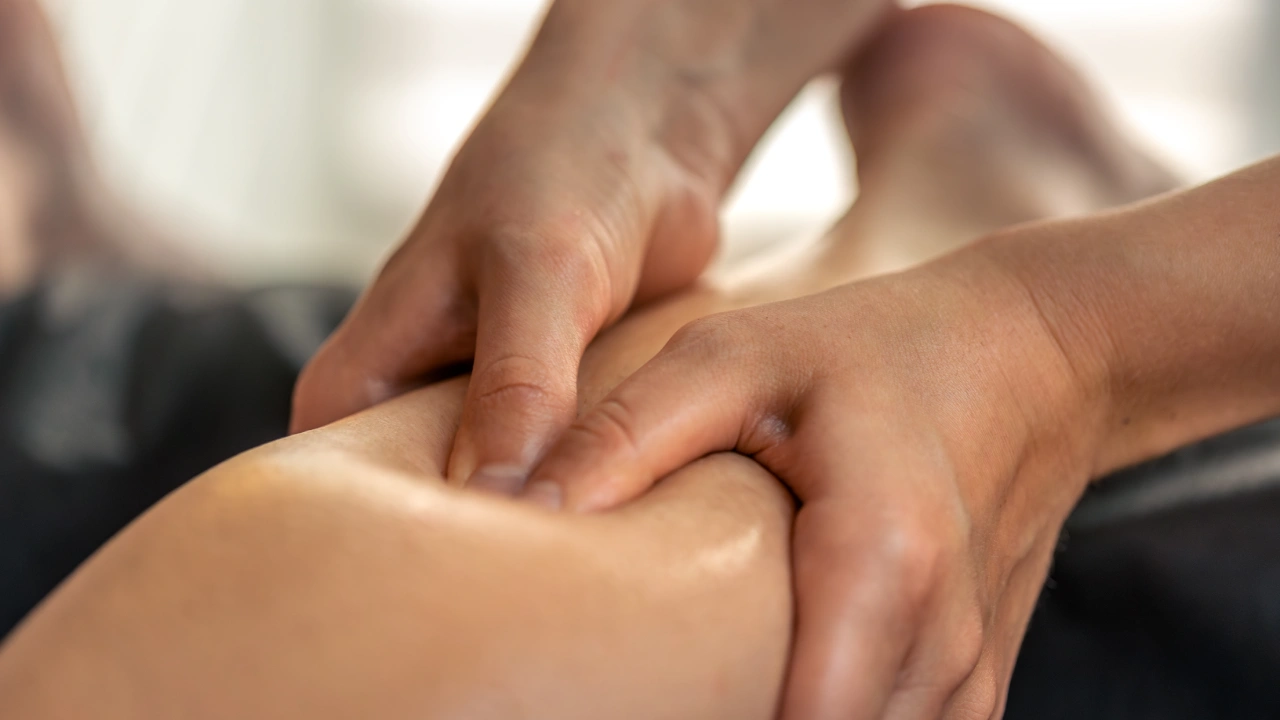
Lymphatic drainage is not limited to post-surgical care. It may also be considered for certain injuries involving soft tissues, joints, and surrounding structures.
1. Ankle Sprains
Ankle sprains occur when the ligaments supporting the ankle are stretched or torn. Swelling around the ankle and foot is a common symptom.
This swelling may make walking, standing, and moving the ankle uncomfortable.
For suitable individuals, lymphatic drainage may be considered alongside appropriate injury management and rehabilitation. The technique should only be introduced after assessing the injury and ruling out complications such as fractures or blood clots.
2. Sports Injuries
Sports activities can result in muscle strains, ligament injuries, and joint trauma. These conditions may involve inflammation and fluid accumulation around affected tissues.
Managing swelling can be an important part of rehabilitation because excessive fluid accumulation may restrict comfortable movement.
Lymphatic techniques may complement other rehabilitation approaches when clinically appropriate.
3. Fracture Recovery
Fractures can involve considerable swelling around the injured area, particularly during the early stages of recovery.
Individuals wearing casts or braces may also experience temporary fluid accumulation because movement is restricted.
Any lymphatic treatment must account for the fracture location, stage of bone healing, immobilisation requirements, and instructions from the treating healthcare professional.
4. Soft Tissue Injuries
Muscle strains, bruising, and ligament injuries may cause localized swelling and tenderness.
Gentle lymphatic techniques may be considered in selected cases once the injury has been assessed. Direct pressure over an acute injury or damaged tissue should be avoided.
What Happens During a Manual Lymphatic Drainage Session?
Knowing what to expect can help individuals feel more comfortable before attending an appointment.
At Wellness Flowz in Hamilton, individuals exploring lymphatic care should discuss their surgical history, injury details, symptoms, and medical clearance before beginning a session.
A typical session may involve the following stages:
Step 1: Initial Discussion
The session begins with a discussion about the individual’s health history, current concerns, previous procedures, and recovery status.
Important details include:
- Type of surgery or injury.
- Date of the procedure or injury.
- Current swelling and discomfort.
- Existing medical conditions.
- Current activity restrictions.
- Instructions provided by the surgeon or healthcare provider.
This information helps determine whether the technique is appropriate.
Step 2: Assessment of the Affected Area
The practitioner considers the location and nature of the swelling, the condition of the surrounding tissues, and any relevant restrictions.
The assessment may also identify concerns that require medical attention before proceeding.
Step 3: Gentle Manual Movements
During the session, the practitioner uses light, rhythmic movements along selected lymphatic pathways.
The movements are generally slow and controlled rather than deep or forceful.
The exact approach depends on the individual’s condition and the areas that can safely be treated.
Step 4: Monitoring Comfort
The practitioner monitors the individual’s response throughout the session.
If discomfort, unusual symptoms, or other concerns arise, the session should be stopped and the situation assessed.
Step 5: Post-Session Discussion
After the session, the practitioner may discuss the individual’s response and any appropriate next steps.
Recommendations regarding activity, hydration, follow-up care, or additional sessions should take account of medical instructions and the person’s overall condition.
Who May Benefit from Lymphatic Drainage?
Lymphatic drainage may be considered for individuals experiencing certain forms of fluid accumulation or swelling.
Potential candidates include:
- Individuals experiencing post-operative swelling.
- People recovering from selected orthopedic procedures.
- Individuals with certain soft tissue injuries.
- Patients experiencing lymphoedema.
- People with swelling following procedures that affect lymphatic pathways.
- Individuals whose healthcare providers recommend lymphatic care as part of rehabilitation.
However, not everyone recovering from surgery or injury requires this technique. Its suitability depends on the underlying cause of swelling, medical history, and stage of recovery.
When Should Manual Lymphatic Drainage Be Avoided?
Although this technique uses gentle pressure, it is not appropriate for every individual.
A medical assessment is important before starting sessions, particularly after surgery or an injury.
Certain conditions may require avoiding treatment or obtaining medical clearance first, including:
- Acute deep vein thrombosis or suspected blood clots.
- Active skin or soft tissue infections, including cellulitis.
- Uncontrolled or decompensated heart failure.
- Acute inflammation or unexplained swelling.
- Certain kidney or circulatory conditions.
- Other medical conditions that may affect fluid circulation.
Sudden swelling, increasing redness, fever, unusual warmth, severe pain, or unexplained tenderness should be assessed by a healthcare professional.
Chest pain, sudden shortness of breath, or coughing up blood requires emergency medical attention.
People recovering from surgery should obtain approval from their surgeon before starting any manual lymphatic technique. Treatment should never interfere with wound care, prescribed compression, drains, or post-operative restrictions.
How Often Should You Schedule a Session?
There is no single session schedule that applies to everyone.
The number and frequency of sessions depend on several factors, including:
- The type of surgery or injury.
- The amount and location of swelling.
- The condition of the lymphatic system.
- The stage of recovery.
- The individual’s medical history.
- Recommendations from the treating healthcare professional.
Some individuals may require only a limited number of sessions, while others with ongoing lymphatic concerns may need a longer program.
The appropriate schedule should be determined through individual assessment rather than following a fixed number of appointments.
Supporting Your Recovery Between Sessions
Professional lymphatic care is only one part of a wider recovery plan. Everyday habits and following medical instructions also play an important role.
Consider the following measures:
Follow your post-operative instructions: Follow the activity restrictions, wound care instructions, and follow-up schedule provided by your surgical team.
Maintain appropriate movement: If cleared by your healthcare provider, gentle walking and prescribed exercises may support circulation and maintain mobility.
Stay hydrated: Drinking sufficient water supports normal body functions and general health.
Allow adequate rest: Recovery places demand on the body. Appropriate rest gives tissues time to repair.
Follow compression instructions: If compression garments or bandages have been prescribed, use them according to your healthcare provider’s directions.
Monitor changes in swelling: Pay attention to sudden increases in swelling, new symptoms, or changes around the affected area. Report concerning changes to your healthcare provider.
These everyday measures can complement an appropriate rehabilitation program.
Manual Lymphatic Drainage at Wellness Flowz in Hamilton
Choosing an appropriate approach to post-surgical or injury care starts with knowing what your body needs during recovery.
Wellness Flowz serves individuals in Hamilton who are interested in exploring lymphatic care as part of their wider wellness and rehabilitation plans.
Whether you are recovering from an orthopedic procedure, dealing with swelling after an injury, or exploring options for managing lymphatic concerns, discussing your situation with a qualified practitioner can help determine whether this technique is suitable.
At Wellness Flowz, the focus is on considering individual concerns, respecting post-operative restrictions, and taking a careful approach to each session.
It is important to remember that lymphatic drainage is a supportive technique rather than a replacement for medical assessment, surgical follow-up, or prescribed rehabilitation.
If you are in Hamilton and would like to learn whether Manual Lymphatic Drainage is appropriate for your circumstances, contact Wellness Flowz to discuss your needs and arrange an appointment.
Frequently Asked Questions (FAQs)
1. Can Manual Lymphatic Drainage speed up recovery after surgery?
It may support recovery by helping manage excess fluid accumulation in selected cases. Reduced swelling may make certain movements more comfortable. However, results vary, and research does not establish that the technique consistently speeds up recovery after every type of surgery.
2. Is lymphatic drainage painful?
The technique generally involves gentle, superficial movements rather than deep pressure. Most sessions should not cause significant discomfort. However, people recovering from surgery or injuries may have sensitive tissues, so the practitioner must account for the affected area and any medical restrictions.
3. When can I start lymphatic drainage after surgery?
The appropriate starting time depends on the procedure, wound condition, recovery stage, and surgeon’s instructions. Some procedures may require waiting until the surgical team provides clearance. Never begin sessions without checking whether the technique is suitable for your situation.
4. Can lymphatic drainage help with swelling after an ankle injury?
It may be considered for selected ankle injuries when swelling is present and the injury has been appropriately assessed. However, fractures, severe ligament damage, and blood clots must be ruled out where indicated. It should complement, rather than replace, the prescribed injury management plan.
5. How many sessions are needed after surgery or injury?
The number of sessions varies according to the procedure, severity of swelling, individual health factors, and response to care. Some people may require a few appointments, while others may need ongoing assessment. A practitioner can discuss a suitable schedule after reviewing your circumstances.
Take The Next Step
Managing swelling is an important consideration during recovery from surgery and injury. Knowing how the lymphatic system works and exploring appropriate care options can help you make informed decisions about your next steps.
If you are considering Manual Lymphatic Drainage in Hamilton, connect with Wellness Flowz to discuss your concerns and find out whether a session is appropriate for your recovery needs.
Contact Wellness Flowz today to inquire about lymphatic drainage appointments in Hamilton and take an informed step towards your recovery journey.
Phone: +1 365-323-0629
Address: 25 Charlton Ave E #202, Hamilton, ON L8N 1Y2, Canada