
The Wrong Treatment Choice Could Leave the Real Problem Untouched
A tight muscle, a stiff shoulder, or recurring back discomfort might seem like reasons to book a massage. But what if the problem isn’t simply muscular tension? Registered massage therapy and physiotherapy both address physical concerns, yet they approach movement, discomfort, and rehabilitation differently. Choosing one without recognizing what your body actually needs could leave an important part of the problem unaddressed.
Consider this: you spend eight hours sitting at a desk, develop persistent neck stiffness, and notice that turning your head has become increasingly difficult. Would massage address the concern, or would physiotherapy be more appropriate? The answer depends on what’s contributing to the restriction.
For Hamilton residents, knowing the distinction between these two services can make the decision less confusing. One may focus on muscle tension and soft-tissue concerns, while the other may address movement limitations, physical function, and rehabilitation following an injury.
So, which one should you choose? Let’s examine what each service involves, the signs that may point towards one approach, and when combining them could make sense.
Physiotherapy and Registered Massage Therapy: Are They Actually Different?
Two people can describe their symptoms using the same words but have entirely different physical concerns. Someone with shoulder tightness might have muscular tension, while another person with similar discomfort may have restricted joint movement or weakness following an injury.
This is where the distinction between physiotherapy and massage becomes important.
What Does Physiotherapy Involve?
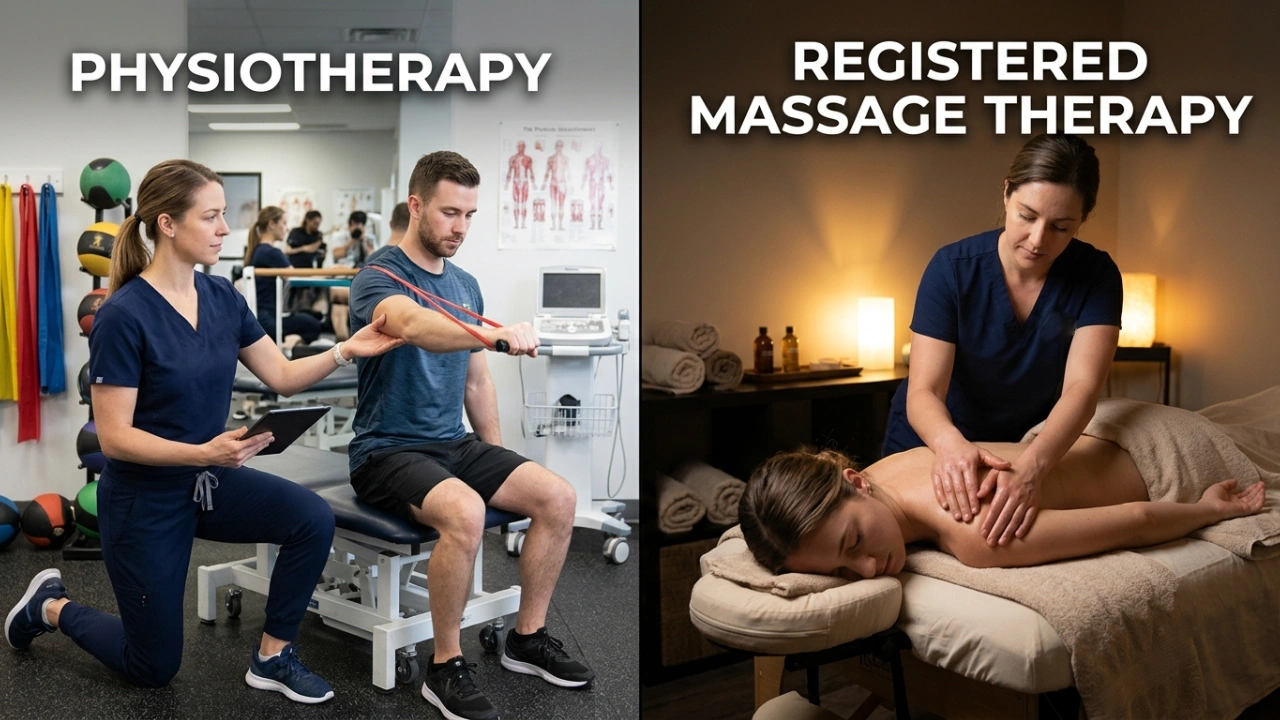
Physiotherapy focuses on physical function, movement, strength, mobility, and rehabilitation. A physiotherapist examines how different parts of your body work together and identifies limitations that may interfere with everyday activities.
Rather than concentrating exclusively on the area where discomfort occurs, physiotherapy considers how your muscles, joints, balance, posture, and movement patterns interact.
Depending on your condition, treatment may include:
- Movement assessments: Examining how you walk, bend, reach, lift, or perform other activities.
- Therapeutic exercises: Activities intended to improve strength, flexibility, stability, and coordination.
- Mobility exercises: Movements that address restricted joint or muscle movement.
- Manual therapy: Hands-on techniques that may address joint and soft-tissue restrictions.
- Rehabilitation planning: Progressively adjusting activities according to your physical abilities and recovery needs.
For example, someone recovering from a knee injury may need more than attention to surrounding muscle tension. They may also need exercises addressing leg strength, joint movement, balance, and walking mechanics.
What Does Massage Therapy Involve?
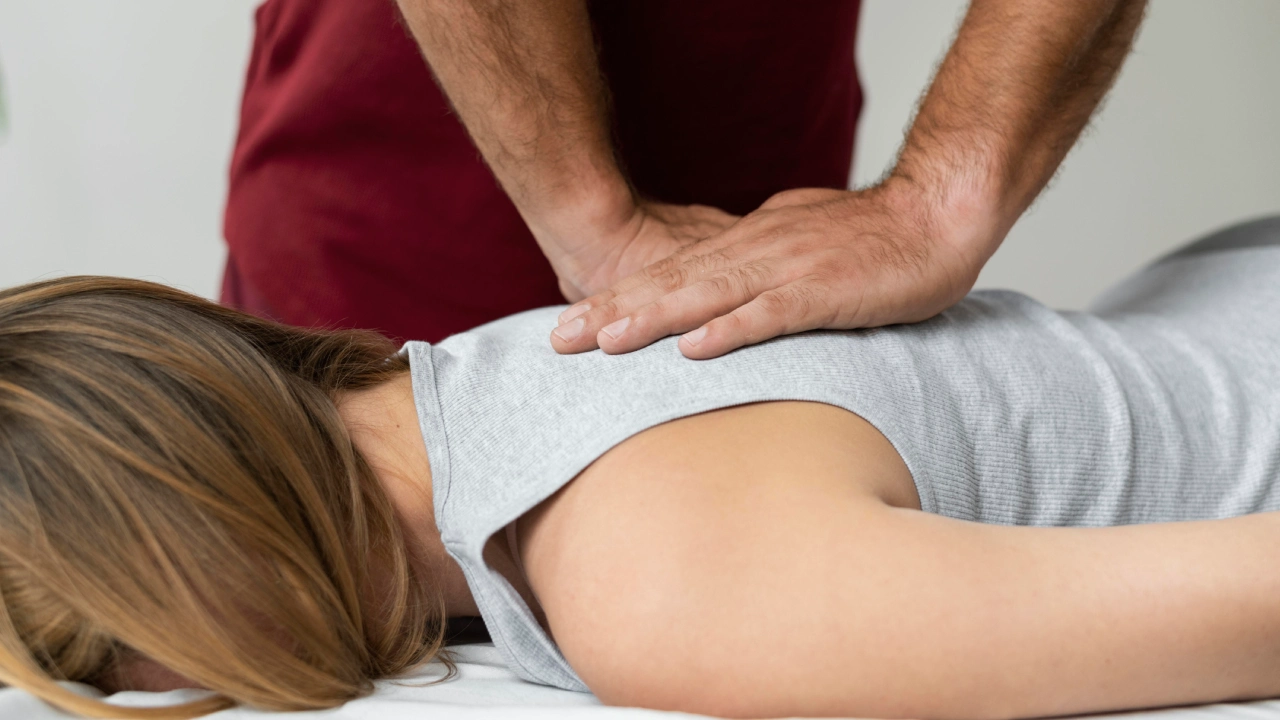
Registered massage therapy focuses on muscles and other soft tissues, including connective tissue and tendons. A registered massage therapist uses hands-on techniques to address muscular tension, stiffness, and certain movement-related concerns.
The treatment may involve:
- Effleurage, which involves flowing strokes across soft tissues.
- Petrissage, which uses kneading and compression.
- Friction techniques applied to specific areas.
- Gentle stretching of muscles and surrounding tissues.
- Pressure-based techniques adjusted according to individual tolerance.
For someone experiencing neck tension after extended computer use, massage may address tight muscles around the shoulders, upper back, and neck.
The aim is to address soft-tissue concerns and support physical comfort.
A Side-by-Side Comparison
| Category | Physiotherapy | Massage Therapy |
| Main focus | Movement and physical function | Muscles and soft tissues |
| Assessment | Mobility, strength, balance, movement | Muscle tension and soft-tissue concerns |
| Treatment | Exercise, rehabilitation, manual techniques | Hands-on massage techniques |
| Common reasons for visits | Injuries, weakness, restricted movement | Muscle tightness, stiffness, muscular tension |
| Main objective | Improve physical function | Address soft-tissue concerns |
There is some overlap between the two. Physiotherapists may use hands-on techniques, while massage therapists may work on muscles in surrounding areas affected by movement restrictions.
However, their training, professional responsibilities, and treatment approaches are different.
When Does Physiotherapy Make More Sense?
Imagine twisting your ankle while walking, returning to the gym after an injury, or struggling to climb stairs because your knee feels unstable.
Would relaxing the surrounding muscles address everything happening inside the affected area?
Not necessarily.
Physiotherapy may be appropriate when a physical concern affects how you move, perform activities, or use a particular part of your body.
Here are several situations where physiotherapy may deserve consideration.
1. Recovery Following an Injury
An injury can affect more than the immediate area. A sprained ankle, for example, may change how you distribute your weight when walking.
Physiotherapy can address joint mobility, muscle strength, balance, and movement patterns during rehabilitation.
2. Joint Stiffness and Restricted Movement
Do you struggle to raise your arm overhead, turn your neck, or bend your knee fully?
Restricted movement can have several contributing factors, including joint conditions, soft-tissue restrictions, or previous injuries.
A physiotherapist can assess the affected movement and identify appropriate rehabilitation activities.
3. Muscle Weakness
Muscle weakness may become noticeable when carrying groceries, climbing stairs, standing from a chair, or lifting objects.
Physiotherapy may include progressive strengthening exercises that address specific muscle groups and functional limitations.
4. Balance and Coordination Difficulties
Feeling unsteady when walking or struggling to maintain balance during everyday activities deserves attention.
Physiotherapy may incorporate balance exercises, coordination activities, and functional movement training.
5. Recurring Movement-Related Discomfort
Does your lower back become uncomfortable every time you bend forward? Does your shoulder become irritated whenever you reach overhead?
Recurring symptoms may indicate that movement patterns, muscle capacity, or joint function need assessment.
Physiotherapy can examine these factors rather than focusing exclusively on the location of discomfort.
6. Post-Surgical Rehabilitation
Following certain surgical procedures, restoring movement and strength may require a structured rehabilitation program.
The appropriate exercises and progression depend on the procedure, healing stage, medical instructions, and individual physical condition.
7. Sports-Related Injuries
Running, weightlifting, cycling, and recreational sports place different demands on the body.
Physiotherapy may address strength deficits, movement restrictions, coordination, and gradual return to physical activities.
The important distinction is that rehabilitation addresses how your body performs, not simply how a particular muscle feels.
7 Signs Massage Therapy May Be Worth Considering
Not every physical concern requires a rehabilitation program. Sometimes, the main issue involves muscular tightness, tension, or stiffness associated with everyday activities.
Could your daily routine be contributing to the discomfort you keep noticing?
Here are seven situations where massage may be worth discussing with a registered practitioner.
1. Persistent Muscle Tightness
Your shoulders feel tense, your neck seems difficult to relax, or your lower back feels tight after ordinary activities.
Muscle tightness can occur following repetitive movements, physical exertion, prolonged positioning, or other contributing factors.
Hands-on massage techniques may address tension in the affected soft tissues.
However, persistent or unexplained tightness should not automatically be attributed to muscular tension.
2. Stiffness After Long Working Hours
Spending hours at a computer can involve keeping your neck, shoulders, and upper back in relatively fixed positions.
By the end of the working day, these areas may feel stiff or uncomfortable.
Massage may address muscular tension associated with prolonged positioning. Regular movement breaks and workstation adjustments may also be worth considering.
3. Muscle Tension From Repetitive Activities
Do you perform the same physical movements throughout your working day?
Repetitive activities, including lifting, typing, reaching, and manual work, may place repeated demands on certain muscle groups.
Massage may address muscular tightness associated with these activities.
If symptoms repeatedly return, an assessment may help identify other contributing factors.
4. Restricted Comfort During Everyday Movements
Sometimes, reaching into a cupboard, turning your head while driving, or stretching your arms can feel uncomfortable.
Muscular tension may contribute to these difficulties.
However, restricted movement can also involve joint problems, nerve irritation, or other conditions. The source should be considered before selecting a treatment.
5. Muscle Soreness Following Physical Activity
Have you returned from a long run or an intense gym session with sore legs and stiff shoulders?
Post-exercise muscle soreness can occur after unfamiliar or demanding physical activity.
Massage may help address muscular discomfort, although it does not replace adequate rest, gradual training progression, hydration, and appropriate recovery practices.
6. Stress-Related Muscular Tension
Stress doesn’t always remain in your thoughts. Some people notice that they clench their jaw, raise their shoulders, or tighten their neck muscles during demanding periods.
Massage may help address the resulting muscular tension and provide an opportunity to relax.
Persistent symptoms should still be assessed rather than automatically attributed to stress.
7. Discomfort From Prolonged Sitting or Standing
Office workers, drivers, retail employees, and people working in physically demanding occupations may spend extended periods in relatively fixed positions.
This can contribute to stiffness and muscular discomfort.
Massage may address soft-tissue tension, while movement breaks, ergonomic adjustments, and strengthening activities may also play a role.
An important distinction: If discomfort is severe, worsening, associated with numbness or weakness, or follows a significant injury, seek an appropriate medical assessment rather than relying on massage alone.
Can You Benefit From Both Treatments?
Here’s something people sometimes overlook: physiotherapy and massage do not necessarily have to be competing choices.
Depending on your physical condition, both approaches may form part of a broader care plan.
Consider someone who experiences recurring lower back discomfort. Their assessment may identify restricted movement, reduced trunk strength, and muscular tension.
Each concern may require a different approach.
- Physiotherapy may address movement restrictions, strength deficits, and functional limitations through rehabilitation exercises.
- Massage therapy may address tension in surrounding soft tissues through hands-on techniques.
- Home activities may help maintain movement and strength between appointments.
Another example is someone returning to physical activity following a period of reduced movement. Rehabilitation exercises may address strength and coordination, while massage may be considered for associated muscular tension.
However, combining treatments isn’t automatically necessary.
The decision depends on the nature of the concern, clinical findings, treatment objectives, and individual tolerance.
If both services are being considered, communication between practitioners can help keep the treatment plan consistent and avoid unnecessary duplication.
6 Common Mistakes People Make When Choosing Between the Two
Selecting a treatment based only on where discomfort occurs can lead to confusion. The same symptom may have different contributing factors, and the treatment approach should reflect those differences.
Here are six common mistakes worth avoiding.
1. Assuming Massage Can Address Every Injury
A massage may address muscular tension, but an injury involving a joint, ligament, fracture, or nerve may require a different form of assessment.
For example, a swollen ankle following a fall should not automatically be treated as a simple muscle problem.
The injury should be assessed before deciding whether massage is appropriate.
2. Believing Physiotherapy Is Only for Serious Injuries
Physiotherapy isn’t limited to people recovering from surgery or major accidents.
Someone experiencing recurring shoulder stiffness, reduced mobility, or difficulty performing ordinary movements may also benefit from a physiotherapy assessment.
Waiting until everyday activities become difficult isn’t always necessary.
3. Ignoring Recurring Symptoms
Does your neck become stiff every Monday? Does your back start hurting after every long drive?
Repeated symptoms deserve attention.
Although temporary improvement may occur after rest or massage, recurring discomfort can indicate that contributing movement or activity factors remain unaddressed.
4. Choosing Treatment Without Identifying the Concern
Booking a service simply because a friend recommended it may not address your situation.
Two people with similar symptoms may have different physical conditions.
An appropriate assessment helps determine whether the concern involves muscles, joints, movement limitations, or another issue.
5. Expecting Immediate Results From One Appointment
Physical concerns don’t always change after a single appointment.
Some conditions require multiple stages of rehabilitation, adjustments to daily activities, or changes in exercise routines.
Treatment response varies, and no practitioner should promise a particular result within a fixed number of sessions.
6. Stopping Rehabilitation Exercises When Symptoms Decrease
One common mistake is assuming that reduced discomfort means physical function has fully recovered.
Someone recovering from an ankle injury, for example, may still have balance or strength limitations even after walking becomes more comfortable.
Following the recommended rehabilitation program and discussing progression with your physiotherapist can help address these remaining limitations.
Choosing Between the Two Services in Hamilton
Hamilton residents have a wide range of daily routines that can influence their physical needs. Someone working at a computer may experience different concerns than someone performing manual labour, driving for extended periods, or participating in recreational sports.
But how should you make the decision?
Start by considering what has changed in your physical function.
Consider Your Daily Activities
Your routine can provide useful clues about contributing factors.
For example:
- Desk-based workers: Extended computer use may contribute to neck and shoulder tension, along with reduced movement throughout the day.
- Construction and manual workers: Repeated lifting, bending, and carrying may place considerable demands on muscles and joints.
- Drivers: Prolonged sitting may contribute to stiffness in the back, hips, and neck.
- Athletes and gym enthusiasts: Repetitive training and physical loading may contribute to muscle soreness or injuries.
- Older adults: Reduced strength, mobility limitations, and balance difficulties may require attention.
These examples do not establish a diagnosis. They simply illustrate why your daily activities should be considered when selecting a service.
Check Practitioner Qualifications
In Ontario, physiotherapists and registered massage therapists are regulated health professionals with different educational and professional requirements.
Before booking, check whether the practitioner is registered with the relevant regulatory college:
- Physiotherapists: College of Physiotherapists of Ontario.
- Massage therapists: College of Massage Therapists of Ontario.
Registration allows you to verify professional standing and relevant regulatory information.
Ask About the Assessment Process
Before starting treatment, find out what the appointment involves.
Consider asking:
- Will the practitioner assess my symptoms before treatment?
- What physical concerns will the treatment address?
- Are there activities I should avoid temporarily?
- Will I need exercises or other activities between appointments?
- When should I seek further medical assessment?
These questions can help clarify whether the proposed approach matches your physical concerns.
Check Insurance Requirements
Many extended health insurance plans in Ontario include coverage for physiotherapy or massage therapy, although the amount and conditions vary.
Check your policy for:
- Annual coverage limits.
- Per-appointment maximums.
- Practitioner registration requirements.
- Referral or prescription requirements.
- Direct billing availability.
You generally do not need a physician’s referral to access either service privately in Ontario. However, your insurance provider may impose its own documentation requirements.
Frequently Asked Questions
1. What Is the Main Difference Between Physiotherapy and Registered Massage Therapy?
Physiotherapy focuses on movement, physical function, strength, mobility, and rehabilitation. Registered massage therapy primarily addresses muscles and other soft tissues through hands-on techniques. Both may address certain physical concerns, but their assessment processes and treatment objectives differ.
2. Is Massage Therapy Suitable for Muscle Tightness?
Yes. Massage may be appropriate for certain forms of muscular tension and stiffness. A registered practitioner can assess the affected tissues and determine whether massage techniques are suitable. Persistent, unexplained, or worsening symptoms may require further medical assessment.
3. Should I See a Physiotherapist or Massage Therapist After an Injury?
The answer depends on the injury. Physiotherapy may be appropriate when an injury affects joint movement, strength, balance, or everyday function. Massage may be considered for associated muscular tension once its suitability has been established. Significant injuries, swelling, suspected fractures, or neurological symptoms require medical assessment.
4. Can Physiotherapy and Massage Therapy Be Done Together?
Yes, both may be included in a care plan when clinically appropriate. Physiotherapy may address strength and movement limitations, while massage may address associated soft-tissue concerns. Whether combining them makes sense depends on your assessment findings and treatment objectives.
5. Do I Need a Doctor’s Referral for Registered Massage Therapy in Ontario?
Generally, no. Ontario residents can access private massage therapy without a physician’s referral. However, certain extended health insurance plans may require a referral or prescription before reimbursing appointment costs. Check your policy before booking.
6. How Do I Decide Which Treatment Is Appropriate for My Condition?
Consider whether your main concern involves muscular tension or a limitation in movement and physical function. Massage may be worth considering for certain soft-tissue concerns, while physiotherapy may be appropriate for injuries, weakness, and restricted mobility. If you’re unsure, seek an assessment from an appropriately regulated health professional.
Take the Next Step Towards Addressing Your Physical Concerns
Choosing between physiotherapy and massage shouldn’t come down to guessing which appointment might help. The location of discomfort is only one part of the picture. Your movement, physical abilities, daily routine, injury history, and treatment objectives also matter.
If muscular tension is your main concern, massage may be worth discussing with a registered practitioner. If you’re struggling with restricted movement, weakness, balance, or recovery following an injury, physiotherapy may be more appropriate.
And if your symptoms persist, interfere with everyday activities, or continue returning, don’t dismiss them simply because they seem manageable.
At Wellness Flowz Lymphatic Recovery Center, we encourage Hamilton residents to consider their physical concerns carefully and seek appropriate care based on their individual circumstances.
Have questions about whether physiotherapy or massage is appropriate for your situation? Contact us at +1 365-323-0629 or visit us at 25 Charlton Ave E #202, Hamilton, ON L8N 1Y2, Canada to discuss your concerns and available services.