Recent post
What Is Manual Lymphatic Drainage and How Does It Work? A Guide to Manual Lymphatic Drainage in Hamilton
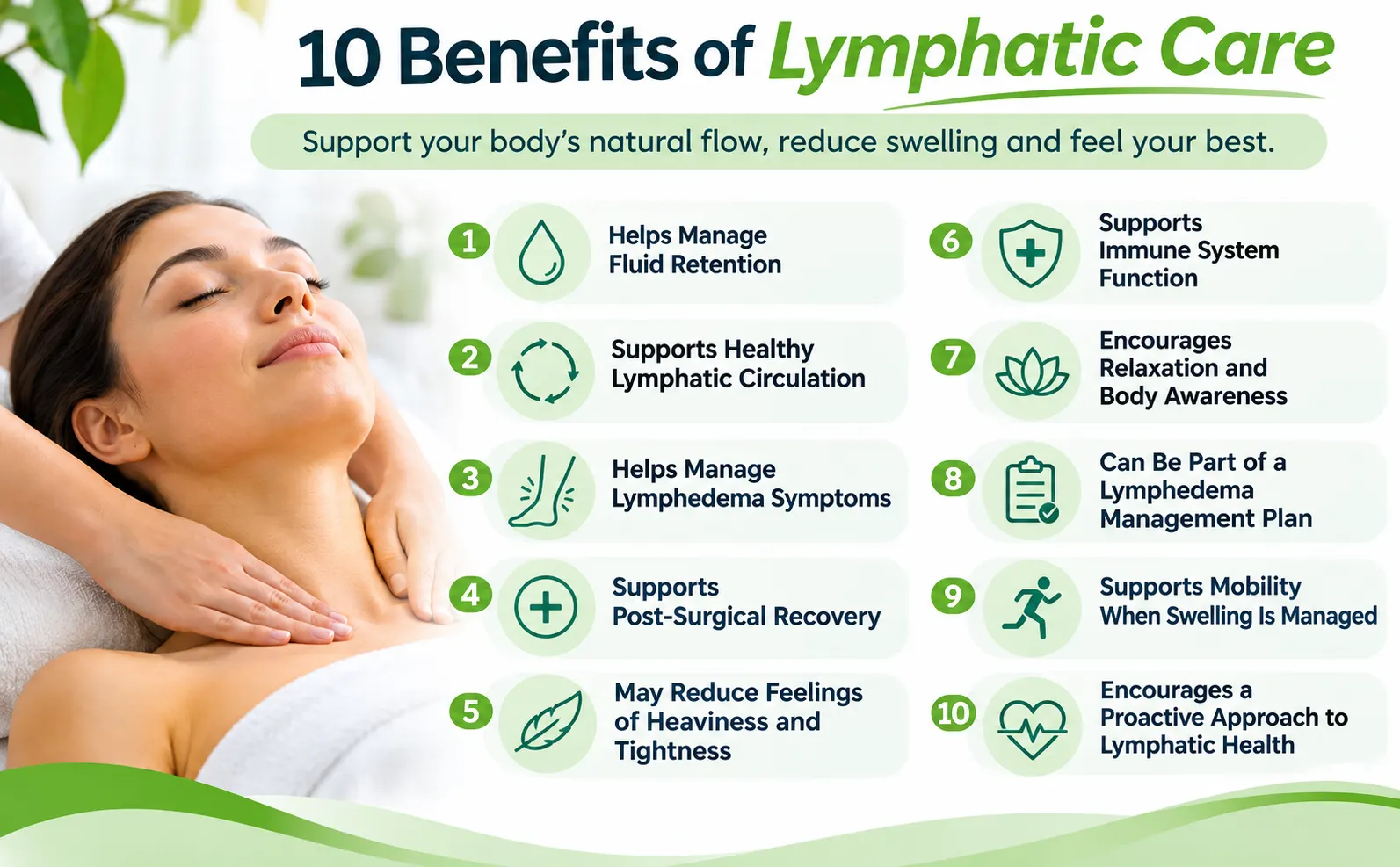
10 Benefits of Lymphatic Care in Hamilton You Should Know
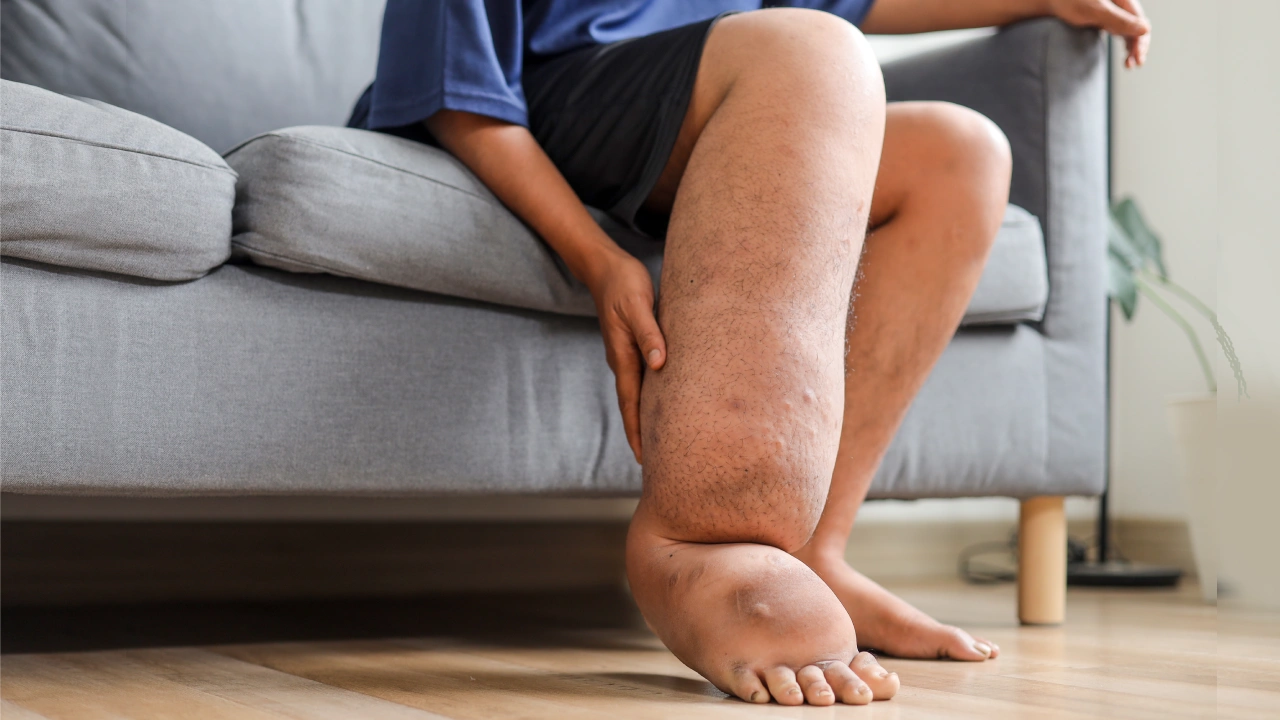
Lymphedema Therapy in Hamilton: What to Expect and How to Manage Swelling Effectively
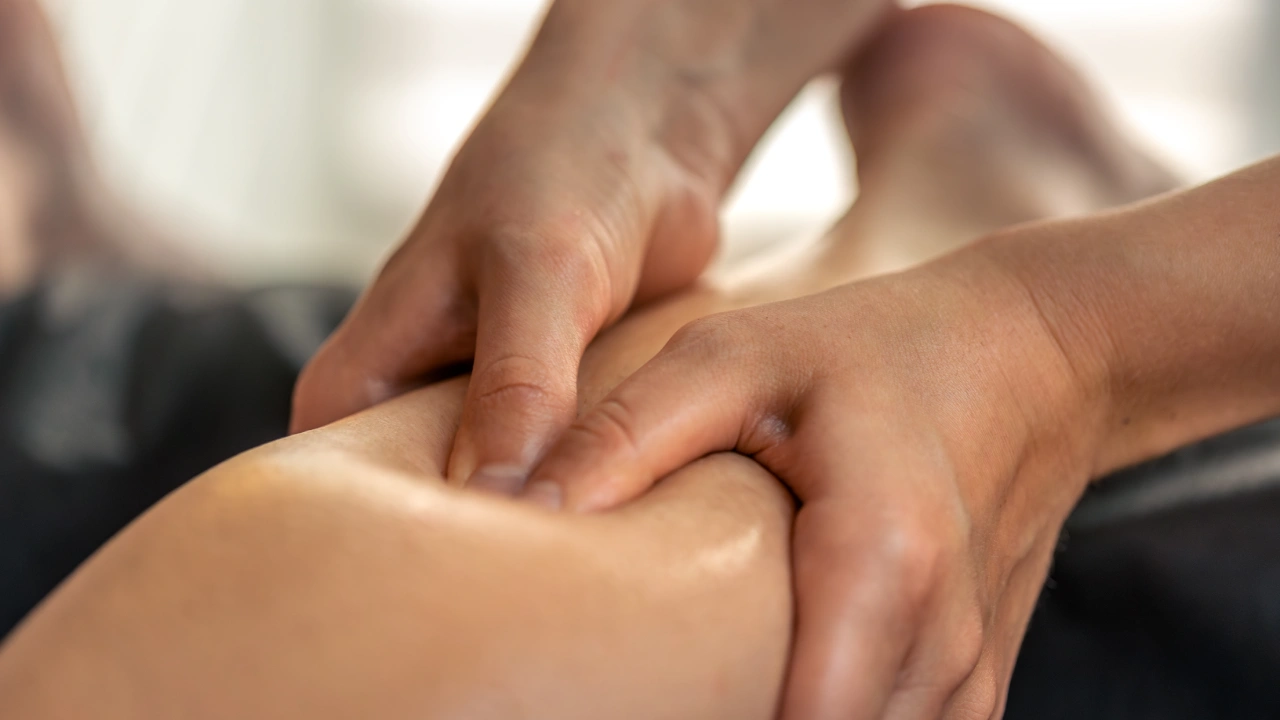
Beyond Deep Tissue: Why Manual Lymphatic Drainage Is Gaining Attention for Post-Op Recovery in Hamilton
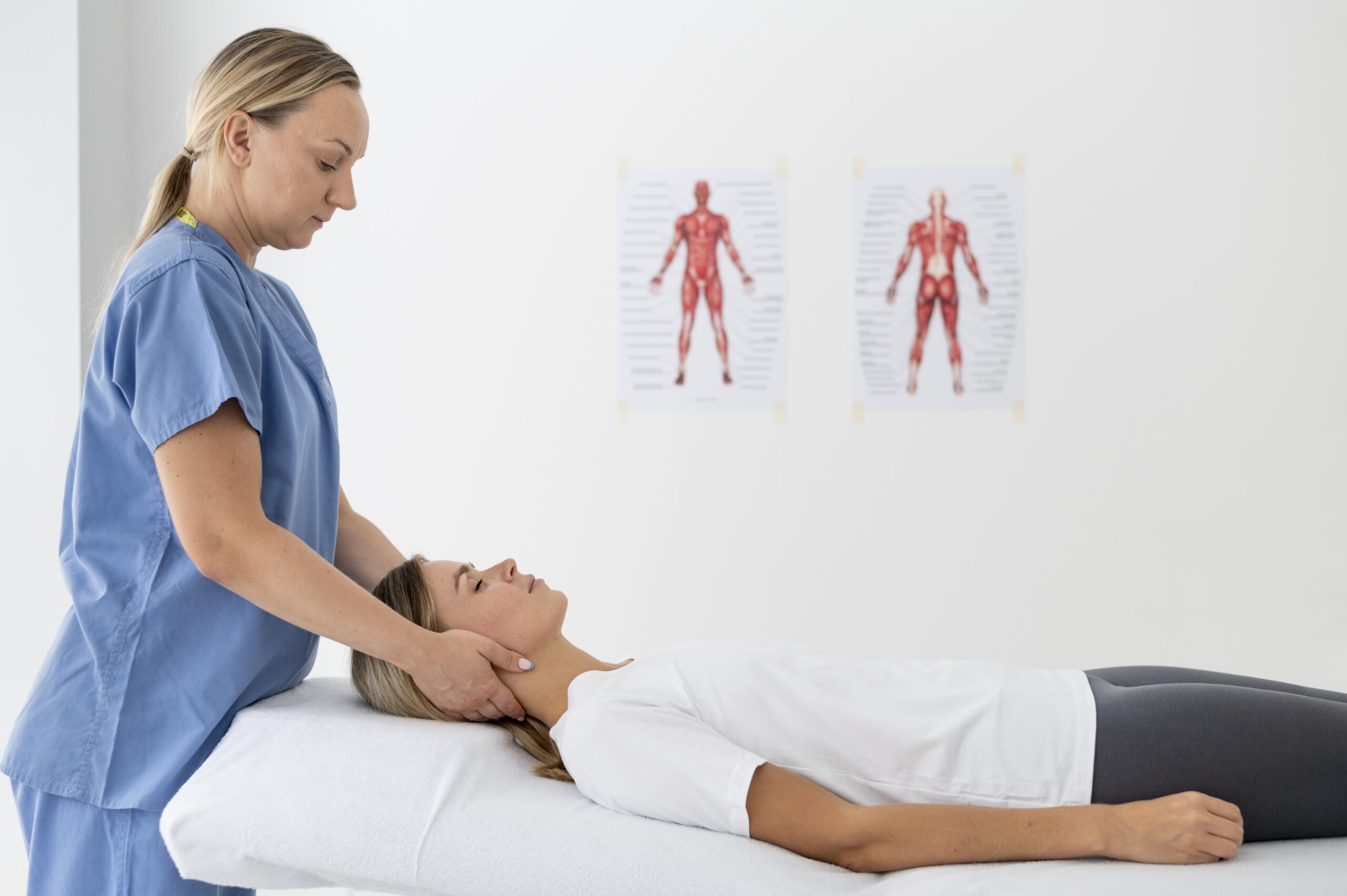
Why Post-Surgical Aftercare Matters for a Smooth Recovery
Swelling, fluid retention, bruising, tenderness, and temporary changes in mobility are common concerns during post-surgical recovery. These changes can make everyday activities challenging and may leave patients wondering what they can do to support their bodies during this period.
One approach that has gained attention in post-operative wellness is Lymphatic care. This gentle approach focuses on supporting the lymphatic system, which plays an important role in fluid balance and immune function.
For individuals in Hamilton looking for additional support following surgery, understanding how lymphatic drainage works can help them make informed decisions about their aftercare routine.
At Wellness Flowz, the focus is on helping clients understand the role of post-surgical wellness services and the importance of following appropriate recovery practices.
Let’s explore why lymphatic support matters, how it works, and what patients should know before incorporating it into their recovery plans.
What Happens to Your Body After Surgery?
Surgery involves controlled changes to body tissues. Depending on the procedure, the body may experience inflammation, tissue disruption, temporary fluid accumulation, and changes in circulation.
Inflammation is a natural part of the body’s response to surgery. It is involved in the repair process, but it can also contribute to visible swelling and discomfort.
Some common post-operative changes include:
- Swelling: Fluid may collect around the operated area as the body responds to tissue disruption.
- Bruising: Small blood vessels can be affected during surgery, resulting in temporary discoloration.
- Tenderness: The operated tissues may remain sensitive for days or weeks.
- Fluid accumulation: Changes in local circulation and tissue drainage can contribute to temporary fluid retention.
- Limited mobility: Patients may need to restrict certain movements while their bodies recover.
The extent and duration of these changes depend on the type of surgery, individual health, and post-operative instructions.
This is where Lymphatic care may become part of a surgeon-approved recovery routine. By using gentle techniques that encourage lymph movement, practitioners aim to support the body’s natural fluid-management processes.
However, these services are not a replacement for medical follow-up, prescribed aftercare, or the body’s natural recovery process.
Understanding the Role of the Lymphatic System
The lymphatic system is an important network throughout the body. It consists of lymph vessels, lymph nodes, and other structures that help transport lymphatic fluid.
This fluid contains water, proteins, immune cells, and other substances collected from body tissues.
The lymphatic system performs several important functions:
Maintains fluid balance: It collects excess fluid from tissues and returns it to the bloodstream.
Supports immune function: Lymph nodes help filter lymph and contribute to the body’s immune response.
Transports substances: The lymphatic network carries certain fats, proteins, and immune cells throughout the body.
Following surgery, temporary changes in tissues and local drainage pathways may influence fluid movement around the operated area.
Gentle lymphatic drainage techniques may help support fluid movement when clinically appropriate. The method, timing, and areas addressed should depend on the procedure and the patient’s medical status.
For patients considering Lymphatic care, knowing how this system works makes it easier to understand why gentle post-operative techniques are sometimes included in recovery plans.
Why Post-Surgical Lymphatic Drainage Matters
Post-surgical lymphatic drainage is a gentle manual technique that aims to encourage the movement of lymphatic fluid through the body’s lymphatic pathways.
Unlike traditional deep-tissue massage, manual lymphatic drainage generally uses light, rhythmic movements. It does not involve forceful pressure or aggressive manipulation.
The purpose is to encourage fluid movement without placing unnecessary stress on sensitive tissues.
Here are several reasons patients may discuss this approach with their healthcare providers.
A. It May Help Manage Post-Surgical Swelling
Swelling is among the most common concerns after many surgical procedures. Fluid can accumulate around the operated area as part of the body’s inflammatory response.
Manual lymphatic drainage may assist fluid movement in suitable patients. Some people report changes in swelling and feelings of tissue fullness following sessions.
However, results vary, and swelling must always be assessed in the context of the procedure and the patient’s medical condition.
B. It Supports Normal Fluid Movement
The lymphatic system plays a central role in maintaining fluid balance. Surgical procedures can temporarily affect local tissues and drainage pathways.
Gentle manual techniques may encourage lymph movement through functioning pathways.
This is one reason Lymphatic care is sometimes discussed as an additional component of post-operative wellness.
C. It May Help With Feelings of Tissue Tightness
Swelling and temporary tissue changes can create sensations of tightness around operated areas.
Some patients report feeling less fullness or pressure after appropriate drainage sessions.
It is important to remember that discomfort or increasing tightness should not automatically be attributed to normal swelling. New or worsening symptoms should be discussed with the surgical team.
D. Lymphatic drainage can complement an approved recovery plan.
Recovery involves several interconnected factors, including rest, hydration, nutrition, appropriate movement, wound care, and medical monitoring.
Lymphatic drainage may be considered alongside these practices when the surgeon approves it.
It should never replace prescribed care or be used to address a suspected surgical complication.
Who May Benefit From Post-Surgical Lymphatic Care?
Not everyone requires lymphatic drainage after surgery. Whether it is appropriate depends on the procedure, individual medical history, current symptoms, and stage of recovery.
Patients who may wish to discuss this option with their surgeons include those recovering from:
Liposuction: Fluid accumulation and swelling may occur as tissues recover following fat removal.
Tummy tuck surgery: Abdominal tissues may experience swelling and temporary changes in fluid movement.
Breast surgery: Certain procedures may involve swelling around the chest and surrounding tissues.
Body contouring procedures: Changes to soft tissues can result in temporary swelling and tenderness.
Other elective procedures: Some patients undergoing cosmetic or reconstructive surgery may be advised to consider manual lymphatic drainage as part of their aftercare.
The suitability of Lymphatic care should always be determined on an individual basis.
For example, someone recovering from a minor procedure may have different needs from someone who has undergone extensive abdominal surgery. The same technique or schedule should not automatically be applied to every patient.
Why Gentle Techniques Matter During Recovery
One important consideration during post-operative care is pressure.
Immediately following surgery, tissues can be sensitive, swollen, and vulnerable. Applying excessive pressure or manipulating an operated area without approval may cause harm.
Manual lymphatic drainage differs from conventional massage because it generally uses light, controlled movements.
A practitioner working with post-surgical clients should consider:
- The type of surgery performed.
- The date of the procedure.
- Areas that must be avoided.
- Incisions and wound status.
- Any drains or compression garments.
- The surgeon’s restrictions.
- The patient’s current symptoms.
Lymphatic care should never involve forceful pressure on fresh incisions, open wounds, or areas that have not been cleared for manual treatment.
Patients should also avoid attempting aggressive self-massage based on online videos or general instructions. Post-operative techniques require consideration of the specific surgical procedure.
When Should You Start Post-Surgical Lymphatic Drainage?
Timing is one of the most important factors in post-surgical care.
Some patients may receive clearance for gentle drainage relatively early, while others may need to wait longer. There is no universal starting date that applies to every procedure.
The surgeon should determine when manual lymphatic drainage is appropriate.
Before scheduling a session, consider the following:
Confirm medical clearance: Ask your surgeon whether manual lymphatic drainage is suitable for your procedure.
Discuss the operated areas: Make sure the practitioner knows which areas require protection and which areas, if any, can be addressed.
Review existing symptoms: Report unusual swelling, increasing pain, redness, warmth, fever, or other concerning changes before receiving a session.
Follow wound-care instructions: Incision care, compression garments, and restrictions should remain consistent with your surgeon’s directions.
At Wellness Flowz, clients in Hamilton can inquire about post-surgical wellness services and discuss the importance of medical clearance before arranging a session.
What Happens During a Post-Surgical Lymphatic Session?
A post-surgical lymphatic session generally begins with a discussion about the patient’s procedure, recovery stage, and medical clearance.
The practitioner should establish which areas can be addressed and identify any restrictions.
A session may involve:
Initial consultation: Information about the surgery, recovery timeline, and surgeon’s instructions is reviewed.
Assessment of the treatment area: The practitioner considers swelling, tissue sensitivity, incision locations, and any areas that must be avoided.
Gentle manual movements: Appropriate light, rhythmic techniques may be used to encourage lymph movement.
Comfort monitoring: The practitioner should verify that the patient remains comfortable throughout the session.
After-session instructions: Clients should continue following their surgeon’s recommendations regarding hydration, activity, compression, and wound care.
The duration and frequency of sessions depend on individual circumstances. More sessions do not automatically mean improved results.
For this reason, Lymphatic care should be approached as a supportive service rather than a fixed recovery program.
Everyday Habits That Support Post-Surgical Recovery
While professional services may form one part of post-operative care, everyday habits also matter.
Patients should follow their surgeon’s recommendations and avoid making significant changes to their recovery routine without medical approval.
Here are several habits worth discussing with your healthcare provider.
Stay Hydrated
Water supports normal bodily functions, including circulation and fluid balance. Follow your healthcare provider’s hydration recommendations, particularly if you have dietary or fluid restrictions.
Prioritise Rest
The body requires time to recover from surgical stress. Avoid rushing back into demanding activities, even if you begin feeling more comfortable.
Follow Movement Instructions
Some patients are encouraged to take gentle walks after surgery, while others may have temporary movement restrictions. Follow the activity plan provided by your surgical team.
Maintain Balanced Nutrition
Adequate protein, vitamins, minerals, and calories contribute to normal tissue repair and overall health.
Include appropriate sources of protein, fruits, vegetables, and other nutrient-rich foods in your meals, subject to any dietary restrictions.
Follow Compression Instructions
Certain procedures require compression garments to help manage swelling and support the operated area. Wear them according to your surgeon’s directions.
Attend Follow-Up Appointments
Regular medical check-ups allow your surgical team to monitor your progress and identify potential complications.
These habits, alongside medically approved Lymphatic care, may form part of a considered approach to post-operative wellness.
Why Choose Wellness Flowz in Hamilton?
Finding a suitable post-surgical wellness provider involves more than selecting a convenient appointment time. Patients should consider practitioner training, knowledge of post-operative restrictions, communication practices, and willingness to follow medical instructions.
For Hamilton residents exploring lymphatic drainage services, Wellness Flowz is a business to contact when enquiring about post-surgical wellness options.
Before booking, patients should ask about:
- Practitioner training in manual lymphatic drainage.
- Experience working with post-surgical clients.
- Procedures the practitioner can accommodate.
- How medical clearance is confirmed.
- Areas that can be addressed during a session.
- Hygiene and client safety procedures.
- Session duration and scheduling.
Wellness Flowz can be contacted to discuss available services, appointment arrangements, and whether its current service options are appropriate for your stage of recovery.
The priority should always be safe, medically approved care that respects the body’s recovery process.
Common Myths About Post-Surgical Lymphatic Drainage
There is considerable information online about post-surgical lymphatic drainage. However, not every claim is supported by medical evidence.
Let’s address some common misconceptions.
Myth 1: Lymphatic drainage removes all post-surgical swelling immediately.
Reality: Swelling is a normal part of many surgical recovery processes. Manual drainage may help with fluid movement in appropriate patients, but it does not eliminate swelling instantly.
Myth 2: More pressure produces faster results.
Reality: Manual lymphatic drainage generally involves light pressure. Forceful massage can be inappropriate, particularly around recently operated tissues.
Myth 3: Everyone needs lymphatic drainage after cosmetic surgery.
Reality: Not every patient requires it. The need depends on the procedure, symptoms, and surgeon’s recommendations.
Myth 4: Sessions can replace medical appointments.
Reality: Lymphatic drainage is not a substitute for post-operative check-ups or medical assessment.
Myth 5: You can start whenever you feel ready.
Reality: Your surgeon must determine when manual techniques are appropriate.
Being informed about these facts can help patients make sensible decisions about their post-operative routine.
Warning Signs That Require Medical Attention
Although swelling and tenderness can occur after surgery, certain symptoms should never be ignored.
Contact your surgical team promptly if you notice:
- Increasing or severe pain.
- Rapidly worsening swelling.
- Spreading redness or unusual warmth.
- Fever or chills.
- Pus or unusual discharge from an incision.
- New or worsening wound separation.
- Sudden changes in the operated area.
Seek emergency medical attention for chest pain, sudden shortness of breath, coughing up blood, or sudden fainting. These symptoms can indicate serious complications.
Do not schedule a drainage session to address unexplained or worsening symptoms before receiving medical assessment.
Your safety must remain the priority throughout recovery.
Making Post-Surgical Wellness Part of Your Recovery Plan
Surgery is only one stage of a larger process. What happens afterward matters, too.
From following wound-care instructions to attending medical appointments and maintaining healthy daily habits, every aspect of aftercare contributes to the overall recovery process.
Post-surgical lymphatic drainage may be a useful addition for certain patients, particularly when swelling and fluid movement are concerns and the surgeon has approved the technique.
However, the approach should be gentle, medically appropriate, and based on the patient’s current condition.
For Hamilton residents, Wellness Flowz is a place to inquire about available post-surgical wellness services and discuss whether lymphatic drainage may fit within an approved aftercare routine.
Remember that recovery timelines differ from one person to another. Patience, communication with your surgical team, and appropriate aftercare remain essential.
Frequently Asked Questions (FAQs)
1. What is lymphatic drainage after surgery?
Lymphatic drainage is a gentle manual technique that encourages the movement of lymphatic fluid through the body’s lymphatic pathways. Following certain surgical procedures, it may be used to support fluid movement and manage swelling when approved by the surgeon.
2. How soon after surgery can I start lymphatic drainage?
The starting time depends on the surgical procedure, incision status, and individual recovery. Some patients may be cleared earlier than others. Always obtain approval from your surgeon before scheduling your first session.
3. Is lymphatic drainage painful after surgery?
Manual lymphatic drainage generally uses light pressure rather than deep massage. It should not cause significant pain. If a session causes pain, stop and inform the practitioner. Any new or worsening pain should be assessed by your medical team.
4. How many lymphatic drainage sessions are required after surgery?
There is no standard number of sessions for every patient. The recommended frequency depends on the procedure, symptoms, recovery progress, and medical advice. Your practitioner should follow the surgeon’s restrictions when discussing a session schedule.
5. Where can I inquire about post-surgical lymphatic drainage in Hamilton?
Hamilton residents can contact Wellness Flowz to inquire about available post-surgical wellness services, practitioner qualifications, appointment availability, and suitability for their recovery stage. Medical clearance should be obtained before beginning any manual lymphatic drainage sessions.
Book Your Post-Surgical Wellness Session With Wellness Flowz!
Your recovery deserves patience, attention, and appropriate aftercare. If you are recovering from surgery in Hamilton and want to learn more about Lymphatic care, Wellness Flowz invites you to inquire about its post-surgical wellness services.
Whether you have undergone liposuction, a tummy tuck, breast surgery, or another procedure, start by speaking with your surgeon about whether manual lymphatic drainage is appropriate for you.
Take the next step.
Contact Wellness Flowz today to ask about available appointments, discuss your recovery needs, and learn more about post-surgical lymphatic drainage in Hamilton.
Wellness Flowz – Supporting Your Post-Surgical Wellness Journey in Hamilton.
Phone: +1 365-323-0629
Address: 25 Charlton Ave E #202, Hamilton, ON L8N 1Y2, Canada