Recent post
What Is Manual Lymphatic Drainage and How Does It Work? A Guide to Manual Lymphatic Drainage in Hamilton
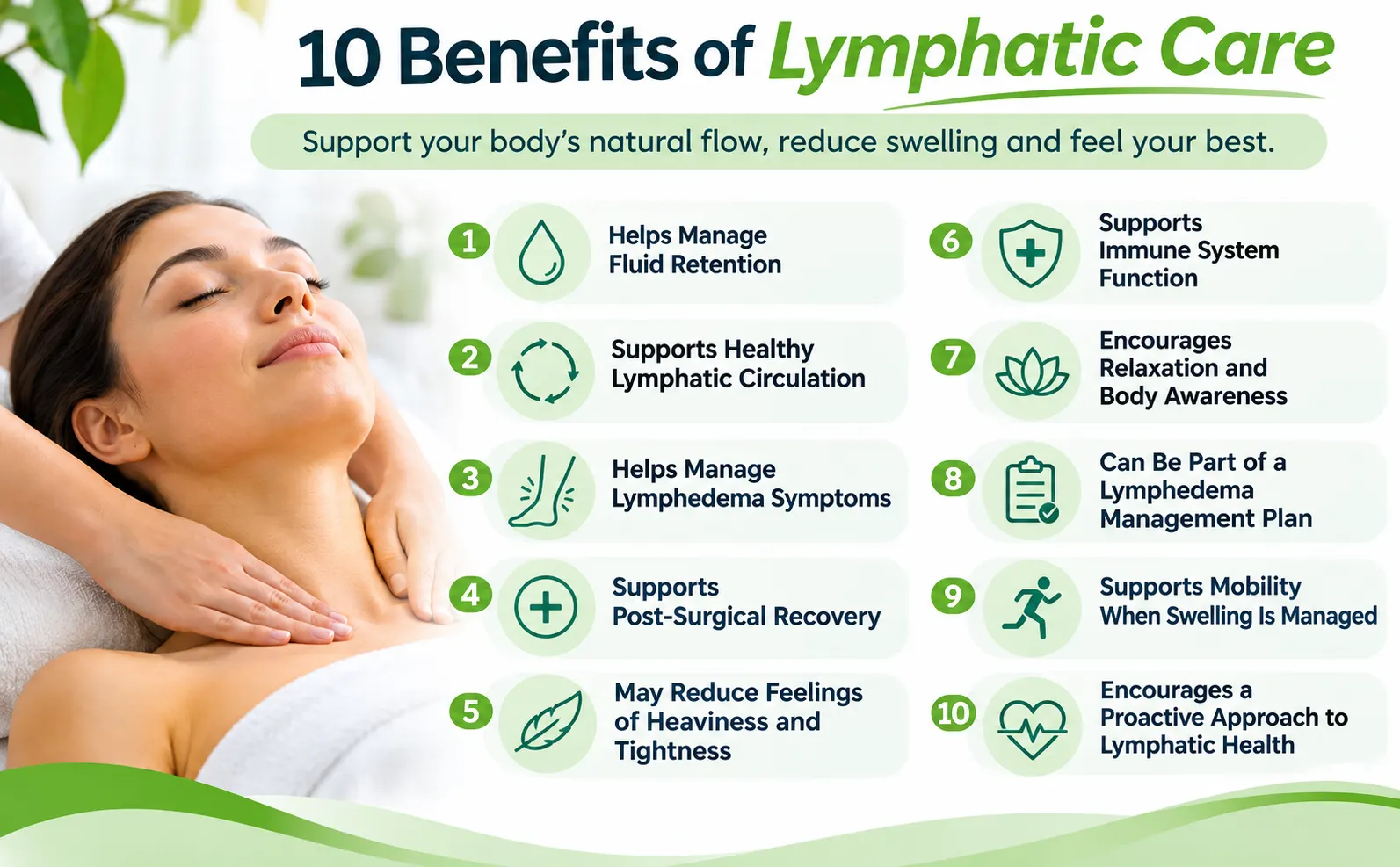
10 Benefits of Lymphatic Care in Hamilton You Should Know
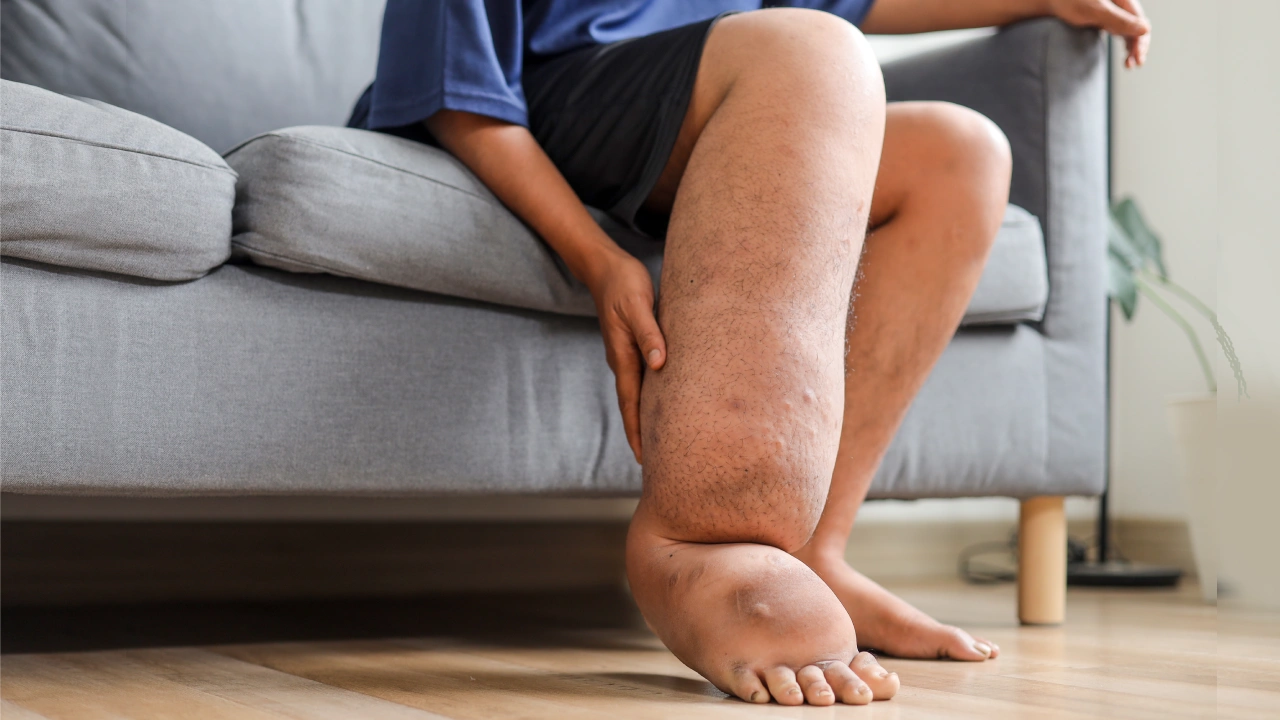
Lymphedema Therapy in Hamilton: What to Expect and How to Manage Swelling Effectively
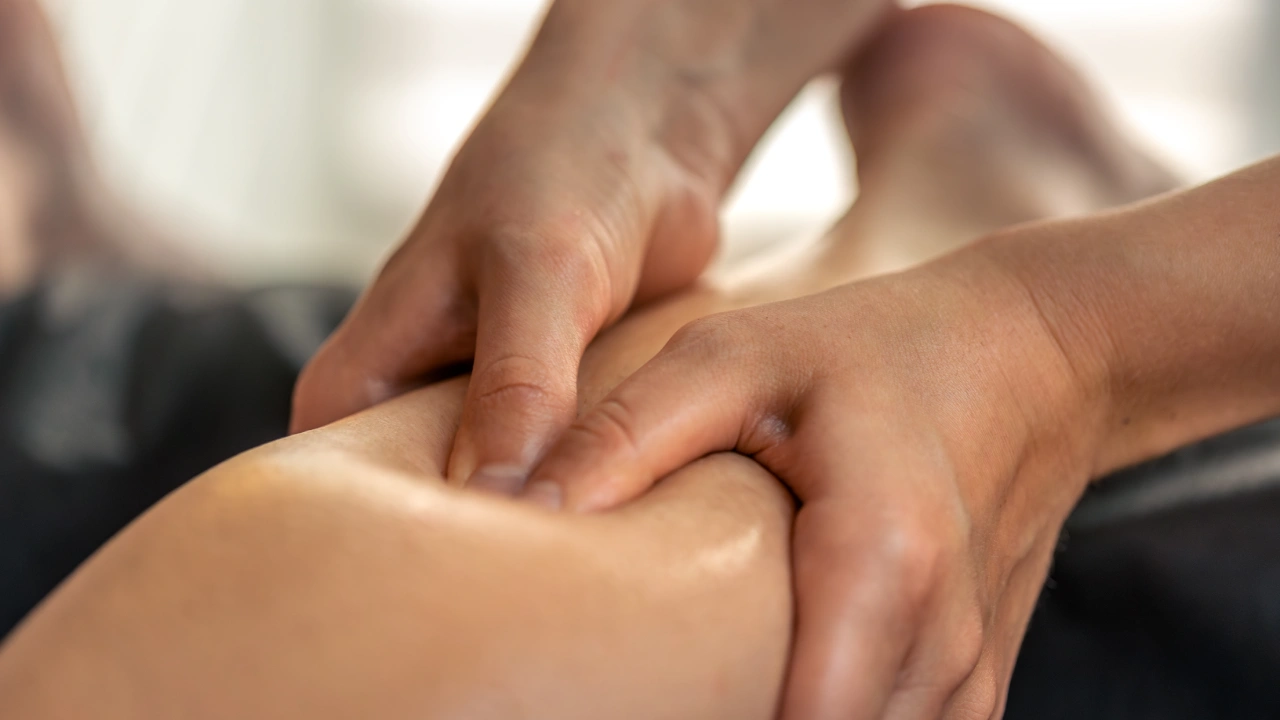
Beyond Deep Tissue: Why Manual Lymphatic Drainage Is Gaining Attention for Post-Op Recovery in Hamilton
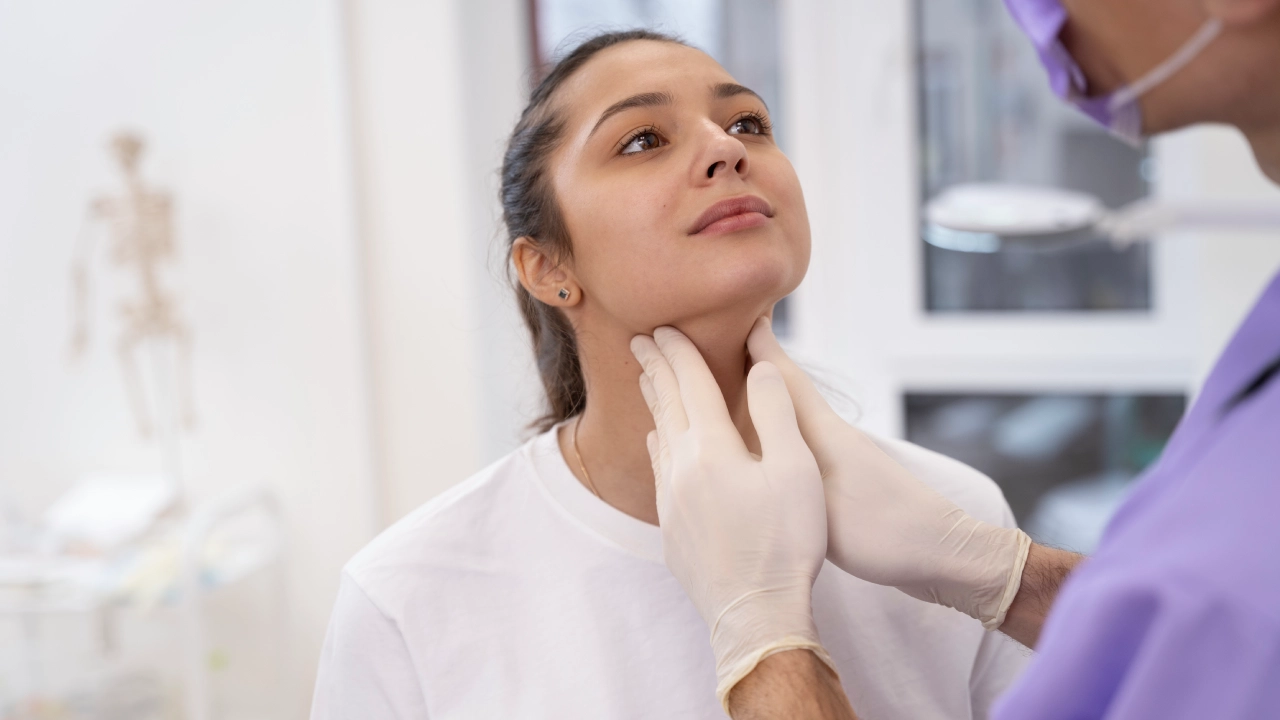
Exploring Inflammation, Swelling, and the Role of Lymphatic Health
Inflammation, swelling, and fluid retention are common concerns that can affect everyday comfort, mobility, and overall well-being. From swollen ankles and puffy legs to stiffness, muscle tension, and a feeling of heaviness throughout the body, these symptoms can make daily activities more challenging. While occasional swelling may occur after prolonged sitting, physical activity, or minor injuries, persistent symptoms deserve attention.
The human body has several natural systems that work together to maintain balance, manage waste products, and support tissue repair. Two important parts of this process are the lymphatic system and the musculoskeletal system. When these systems are not functioning as they should, fluid movement and physical comfort may be affected.
This is where Osteopathy & Lymphatic care can play a supportive role. By focusing on the body’s movement, tissue health, circulation, and fluid pathways, these approaches may help support normal physiological processes and improve physical comfort.
For individuals in Hamilton, Wellness Flowz provides an opportunity to explore how osteopathic approaches and lymphatic care may fit into a wider plan for physical wellness.
Let’s look at why inflammation and fluid retention occur, how the lymphatic system works, and how osteopathy and lymphatic-focused approaches may support the body’s natural processes.
What Is Inflammation, and Why Does It Occur?
Inflammation is a natural response from the body’s immune system when it detects an injury, infection, irritation, or other potential threat. It is part of the body’s defence mechanism and helps to initiate tissue repair.
During an inflammatory response, blood flow to the affected area may increase. Small blood vessels become more permeable, allowing immune cells and fluid to move into surrounding tissues.
This process can cause several noticeable symptoms:
- Redness around the affected area.
- Warmth or increased temperature.
- Swelling due to fluid accumulation.
- Tenderness or discomfort.
- Reduced movement or flexibility.
- A feeling of stiffness in muscles or joints.
Acute inflammation is generally temporary and forms part of the body’s response to injury or infection. Chronic inflammation, however, may continue for an extended period and can be associated with several underlying health conditions.
Factors such as prolonged inactivity, repetitive physical strain, poor sleep, certain medical conditions, and lifestyle habits may influence inflammatory processes.
It is important to remember that inflammation is not always something to suppress. It is a normal biological process. The goal is to identify what is causing persistent symptoms and support the body’s natural functions where appropriate.
What Is Fluid Retention?
Fluid retention, also known as edema, occurs when excess fluid accumulates within the body’s tissues.
It commonly affects the feet, ankles, legs, hands, and abdomen, although swelling can develop in other areas as well.
Some individuals may observe that their shoes become tighter as the day progresses. Others may observe puffiness around their ankles or a temporary increase in body weight caused by fluid accumulation.
Common signs include:
- Swelling in the feet, ankles, or lower legs.
- Puffiness around the hands or face.
- A sensation of heaviness in the limbs.
- Skin that appears stretched or shiny.
- Indentations in the skin after pressing an affected area.
- Reduced flexibility around swollen joints.
Common Causes of Fluid Retention
Several factors may contribute to fluid accumulation.
1. Prolonged sitting or standing
Remaining in one position for extended periods may affect fluid movement, particularly in the lower limbs. Gravity can contribute to fluid pooling around the ankles and feet.
2. Hormonal changes
Hormonal fluctuations during menstruation, pregnancy, and other life stages may influence how the body regulates fluid balance.
3. High sodium intake
Consuming large amounts of sodium may encourage the body to retain additional water.
4. Limited physical activity
Muscle contractions, particularly in the legs, help support the return of blood and fluid towards the upper body. Reduced movement may affect this process.
5. Underlying medical conditions
Heart, kidney, liver, thyroid, and venous conditions can contribute to swelling. Certain prescription medicines may also cause fluid retention.
Persistent or unexplained swelling should be assessed by a qualified healthcare professional to identify its underlying cause.
Understanding the Role of the Lymphatic System
The lymphatic system is an important part of the body’s circulatory and immune networks. It consists of lymphatic vessels, lymph nodes, lymph fluid, and several lymphatic organs.
Its main functions include:
- Collecting excess fluid from body tissues.
- Returning fluid to the bloodstream.
- Supporting immune system activity.
- Transporting certain fats from the digestive system.
- It aids the body in managing cellular waste and other substances.
Blood circulation delivers oxygen and nutrients to tissues. Some fluid naturally moves out of small blood vessels into surrounding spaces. The lymphatic system collects much of this excess fluid and transports it back into circulation.
Lymph nodes act as filtering stations along these pathways. They contain immune cells that help the body recognize and respond to foreign substances.
Unlike the heart, the lymphatic system does not have one central pumping organ. Instead, lymph movement relies on several mechanisms, including muscle contractions, breathing movements, and the natural activity of lymphatic vessels.
This explains why regular movement and breathing patterns can play a role in supporting lymph circulation.
How Lymphatic Care May Support Fluid Movement
Lymphatic care involves techniques and approaches intended to support the movement of lymph fluid through the body’s lymphatic pathways.
One commonly used clinical method is manual lymphatic drainage (MLD). This is a gentle, rhythmic technique performed by appropriately trained practitioners.
Unlike deep tissue massage, manual lymphatic drainage generally uses light pressure because many superficial lymphatic vessels are located close to the skin.
Potential applications may include:
- Supporting fluid movement in certain forms of lymphoedema.
- Managing swelling associated with selected medical conditions.
- Supporting recovery following certain surgical procedures when medically approved.
- Addressing a sensation of heaviness associated with fluid accumulation.
- It is an integral component of a clinically recommended lymphoedema management program.
Osteopathy & Lymphatic care may be considered together when a person is experiencing movement restrictions, muscular tension, or certain forms of fluid-related discomfort.
However, the suitability of these approaches depends on the individual’s medical history, symptoms, and underlying condition.
Lymphatic drainage is not a substitute for medical assessment, and it should not be used to treat unexplained swelling without first identifying its cause.
What Is Osteopathy, and How Does It Support the Body?
Osteopathy is a form of manual healthcare that focuses on the relationship between the body’s structure and its function.
It considers how muscles, joints, connective tissues, and movement patterns work together during everyday activities.
Osteopathic practitioners may use different hands-on approaches, depending on their training, the person’s symptoms, and clinical suitability.
These may include:
- Gentle joint mobilization.
- Soft tissue techniques.
- Muscle stretching.
- Movement-based approaches.
- Postural assessment.
- Breathing and mobility exercises.
The aim is to assess physical restrictions and movement patterns that may contribute to discomfort or reduced function.
For example, someone who spends several hours sitting at a desk may develop stiffness around the hips, back, shoulders, and neck. An osteopathic assessment may identify areas of restricted movement and suggest appropriate techniques or exercises.
Osteopathy does not directly remove excess fluid from the body. However, supporting comfortable movement and normal muscle activity may complement wider strategies for maintaining circulation and physical function.
This is one reason Osteopathy & Lymphatic care may be discussed together as part of a wider approach to musculoskeletal and lymphatic health.
The Connection Between Movement, Circulation, and Lymph Flow
Movement plays an important role in maintaining normal fluid circulation.
When muscles contract and relax, they help create pressure changes that support the movement of blood and lymph through their respective pathways.
For example, walking activates the calf muscles. These muscles help support venous return from the lower legs to the heart.
Breathing also contributes to fluid movement. Changes in pressure within the chest and abdomen during normal breathing support the movement of lymph through larger lymphatic vessels.
When someone remains inactive for long periods, these natural mechanisms may become less active.
This does not mean inactivity is the only cause of swelling. However, regular movement can form an important part of maintaining normal circulation.
Some simple habits that may support everyday fluid movement include:
1. Take regular movement breaks.
If your work involves prolonged sitting, stand up periodically and walk around. Even short movement breaks can encourage muscle activity.
2. Include gentle walking.
Walking can activate the muscles in your lower limbs and support normal circulation.
3. Practice comfortable breathing.
Slow, relaxed diaphragmatic breathing encourages the movement of the diaphragm and changes in pressure within the chest and abdomen.
4. Avoid remaining in one position for too long.
Changing positions throughout the day may help reduce prolonged pressure and inactivity.
5. Follow medical advice about compression
Compression garments may be recommended for certain types of swelling, but they are not suitable for everyone. A healthcare professional should assess whether they are appropriate.
How Osteopathy and Lymphatic Care May Work Together
Osteopathy and lymphatic-focused approaches address different aspects of physical health.
Osteopathy focuses primarily on the musculoskeletal system, while lymphatic care focuses on fluid movement and lymphatic function.
When used appropriately, these approaches may complement each other.
Here are some ways they may work alongside one another:
1. Supporting Comfortable Movement
Muscular tightness and joint restrictions can make everyday movement difficult.
Osteopathic techniques may help address certain movement limitations, while gentle physical activity supports normal muscular function.
2. Supporting Normal Circulation
Movement, breathing, and muscle contractions contribute to the body’s circulation mechanisms.
A care plan that includes suitable movement and lymphatic techniques may support these natural processes.
3. Addressing Physical Tension
Muscle tension can develop because of prolonged sitting, repetitive activities, or changes in movement patterns.
Osteopathic approaches may help address certain areas of tension and support more comfortable movement.
4. Supporting Post-Surgical Care
Some people develop swelling after surgery. In selected cases, lymphatic drainage may form part of a recovery program prescribed or approved by the treating medical team.
Osteopathic treatment may also be considered for suitable musculoskeletal concerns once the treating clinician confirms that manual treatment is appropriate.
5. Encouraging Healthy Daily Habits
Regular movement, appropriate hydration, balanced nutrition, and sufficient rest all contribute to general health.
Osteopathy & Lymphatic care can be considered alongside these habits when clinically appropriate, rather than as a replacement for them.
Who May Consider Osteopathy and Lymphatic Care?
People experiencing certain physical concerns may benefit from discussing these approaches with a qualified practitioner.
Examples include
- Individuals with muscle stiffness or restricted joint movement.
- People who spend extended periods sitting or standing.
- Individuals experiencing certain forms of medically assessed swelling.
- People recovering from selected surgical procedures with clinical approval.
- Individuals seeking support for general mobility and physical function.
- People experiencing heaviness in their limbs associated with diagnosed lymphatic conditions.
However, not every type of swelling is suitable for manual treatment.
For example, sudden swelling in one leg, particularly when accompanied by warmth, redness, or pain, may indicate a blood clot and requires urgent medical assessment.
Swelling accompanied by chest pain, breathlessness, fainting, or coughing up blood requires emergency medical attention.
People with suspected infection, unexplained swelling, active cancer-related concerns, or certain heart and kidney conditions should seek medical advice before undergoing lymphatic drainage or manual therapy.
Why Consider Wellness Flowz in Hamilton?
When exploring approaches to musculoskeletal health and lymphatic support, it is important to choose a provider who considers your symptoms, health history, and individual circumstances.
Wellness Flowz in Hamilton is a business that people can contact to inquire about osteopathy and lymphatic care services.
If you are experiencing muscle tension, movement restrictions, or concerns about swelling, an initial discussion can help establish whether these services are appropriate for your circumstances.
At Wellness Flowz, you can inquire about:
- Osteopathic approaches for musculoskeletal concerns.
- Lymphatic-focused care and its suitability for your symptoms.
- Support for comfortable movement and everyday physical function.
- The appropriateness of a specific manual technique for your health history.
- Recommendations for movement habits that may complement your care.
Choosing Osteopathy & Lymphatic care should begin with an assessment of your symptoms and medical background. This helps establish realistic goals and determine whether additional medical evaluation is needed.
For Hamilton residents, contacting Wellness Flowz is a practical starting point for discussing available services and arranging an appointment.
Everyday Habits That Support Lymphatic Health
Professional care is only one part of maintaining healthy body function. Everyday habits also contribute to circulation, movement, and general well-being.
Consider incorporating the following practices into your routine.
Stay physically active: Regular walking, swimming, cycling, and other suitable activities encourage muscle contractions that support circulation.
Drink sufficient water: Hydration supports normal bodily functions. Your daily fluid requirements may vary depending on your health, activity level, and medical circumstances.
Maintain a balanced diet: Include vegetables, fruits, whole grains, and suitable protein sources. Moderate your sodium intake, particularly if you have been advised to do so.
Avoid prolonged inactivity: Take breaks during desk work, long journeys, and other activities that require remaining in one position.
Prioritise sleep: Adequate rest supports general health and the body’s normal regulatory processes.
Follow clinical recommendations: If you have persistent swelling or a diagnosed lymphatic condition, follow the care plan recommended by your healthcare team.
These habits are not a substitute for medical assessment, but they can form part of a healthy daily routine.
Frequently Asked Questions
1. Can lymphatic drainage help with swelling and fluid retention?
Manual lymphatic drainage may help manage certain forms of swelling, particularly when associated with lymphoedema or other diagnosed conditions. It uses gentle movements to encourage lymph fluid towards functioning lymphatic pathways. Its suitability depends on the underlying cause of swelling and should be assessed by a qualified practitioner.
2. What is the difference between osteopathy and lymphatic drainage?
Osteopathy primarily focuses on the musculoskeletal system, including muscles, joints, connective tissues, and movement. Manual lymphatic drainage focuses on encouraging lymph fluid movement through the lymphatic system. Although their techniques and purposes differ, they may complement one another in selected care plans.
3. Is lymphatic drainage suitable for everyone?
No. Certain medical conditions, including suspected blood clots, acute infections, and some heart or kidney conditions, may make lymphatic drainage unsuitable. Anyone with unexplained or persistent swelling should seek medical advice before undergoing this type of treatment.
4. How often should someone receive osteopathy or lymphatic care?
There is no universal schedule. Frequency depends on the person’s symptoms, medical history, treatment goals, and response to care. A qualified practitioner can discuss an appropriate plan after assessing individual circumstances.
5. Can osteopathy and lymphatic care help after surgery?
Lymphatic drainage may be used in certain post-surgical recovery programmes to manage swelling, provided it has been approved by the treating medical team. Osteopathic care may also be considered for suitable musculoskeletal concerns. Timing and treatment methods should always follow the surgeon’s instructions.
Take the Next Step
Inflammation, swelling, and fluid retention can have several causes, ranging from temporary changes in activity to underlying medical conditions. Knowing what is contributing to your symptoms is an important first step towards making appropriate health decisions.
The combination of suitable movement, clinical assessment, osteopathic approaches, and lymphatic-focused techniques may support certain aspects of physical function and fluid management.
If you live in Hamilton and would like to learn more about Osteopathy & Lymphatic care, connect with Wellness Flowz.
The team at Wellness Flowz can discuss its services, answer your questions, and help you determine whether an appointment is appropriate for your needs.
Phone: +1 365-323-0629
Address: 25 Charlton Ave E #202, Hamilton, ON L8N 1Y2, Canada