Recent post
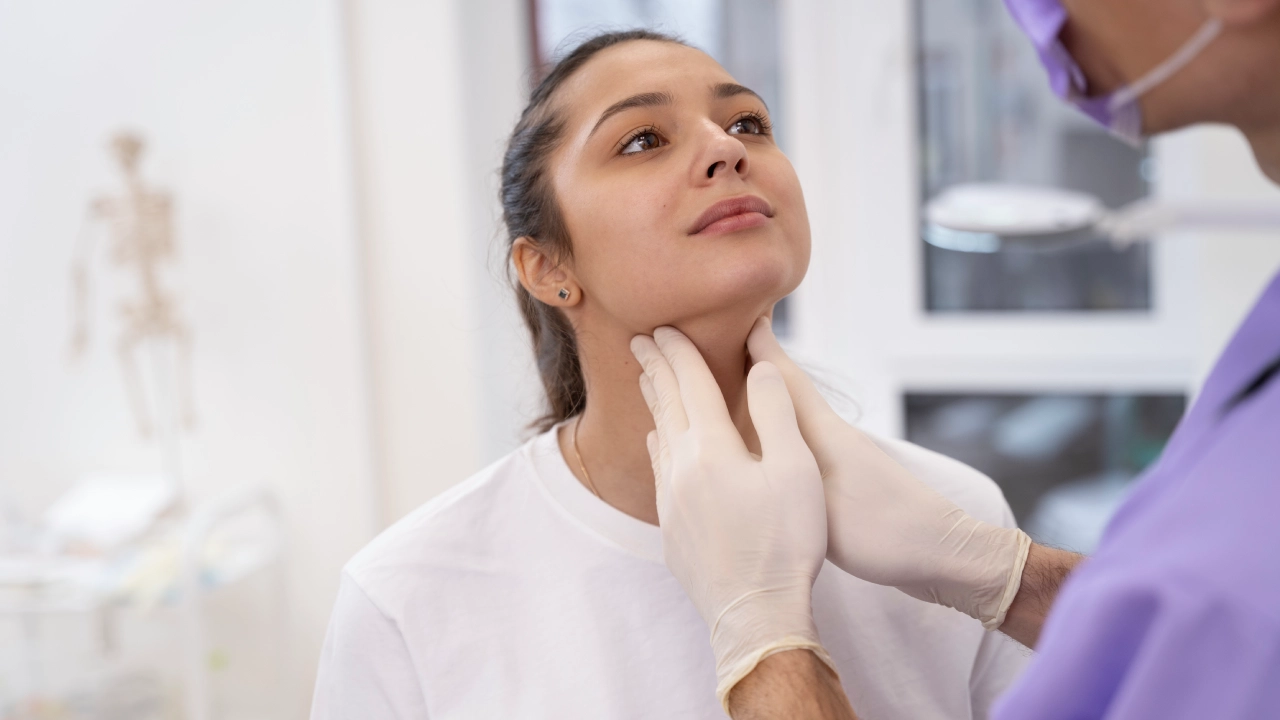
Inflammation, Swelling & Fluid Retention: How Lymphatic Care and Osteopathy Help Your Body Heal
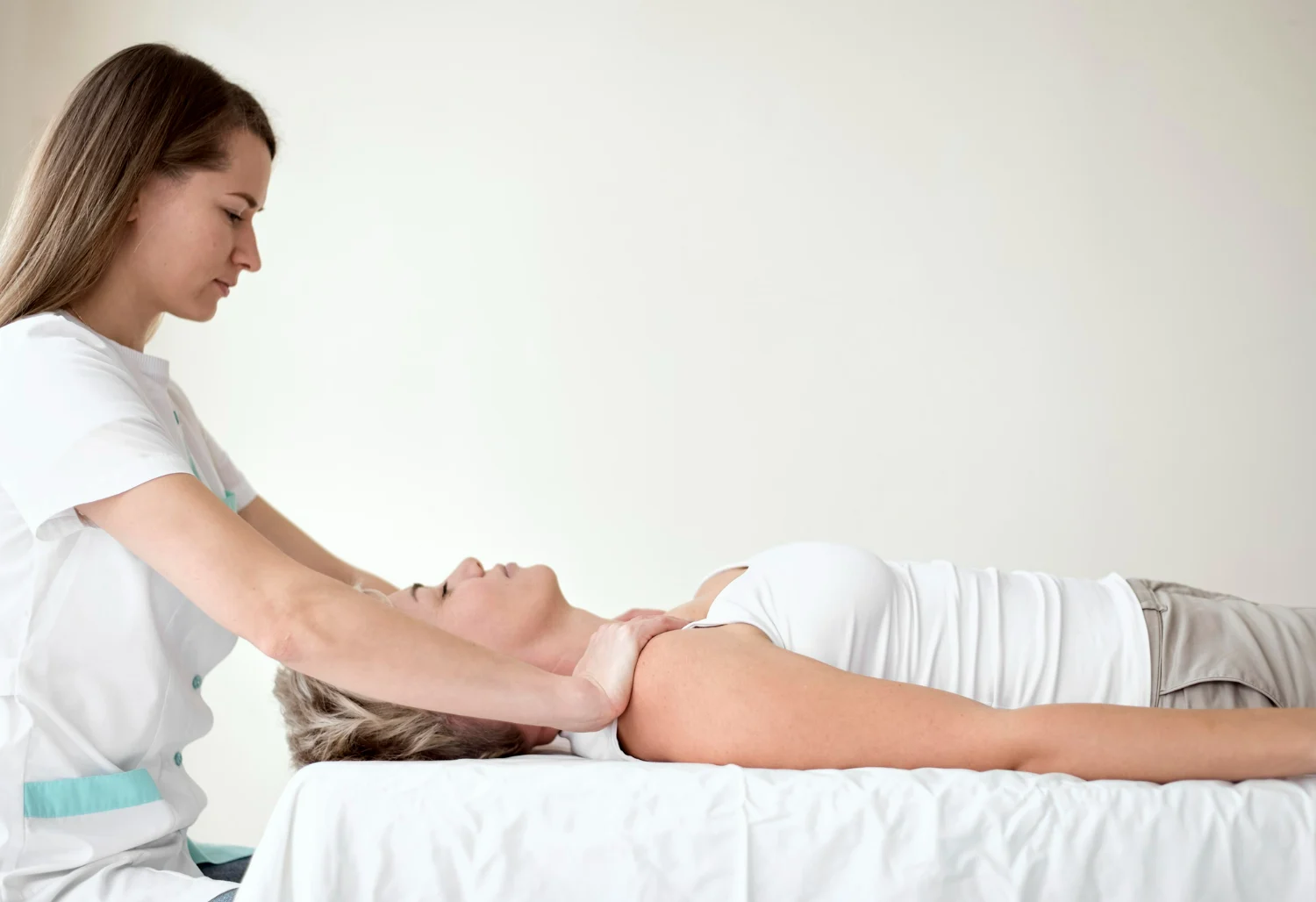
What Is Manual Lymphatic Drainage and How Does It Work? A Guide to Manual Lymphatic Drainage in Hamilton

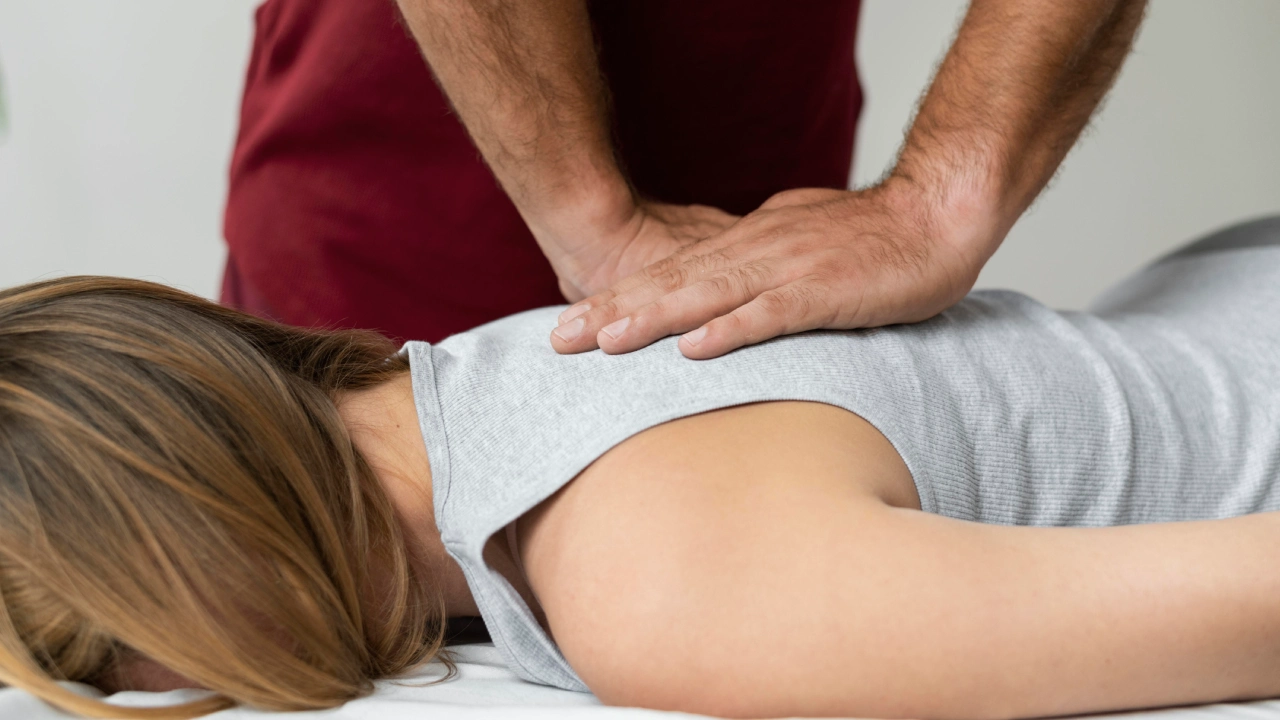
10 Benefits of Lymphatic Care in Hamilton You Should Know
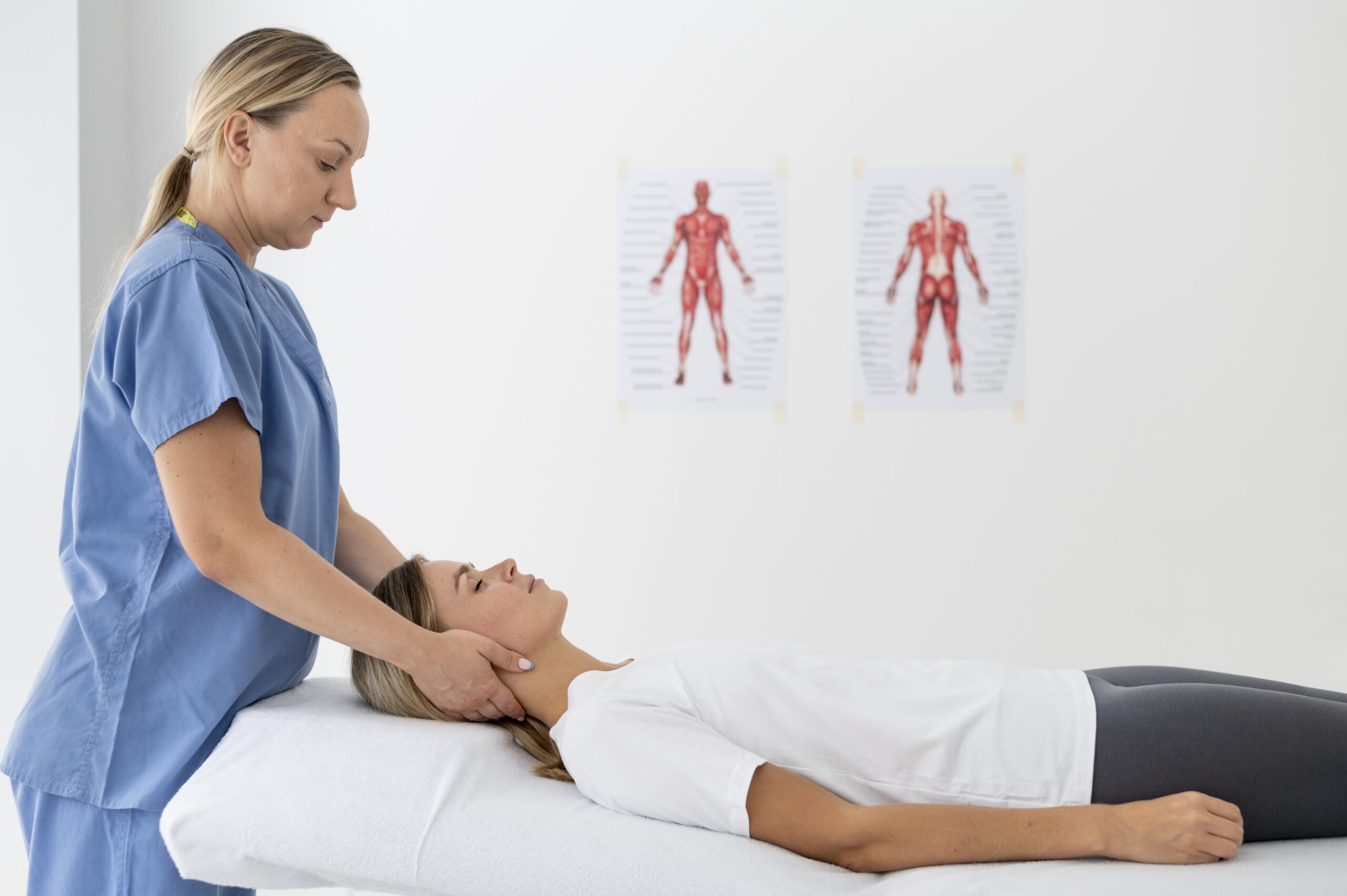
Beyond Deep Tissue: Why Manual Lymphatic Drainage Is Gaining Attention for Post-Op Recovery in Hamilton
When Swelling Becomes More Than Just a Minor Inconvenience
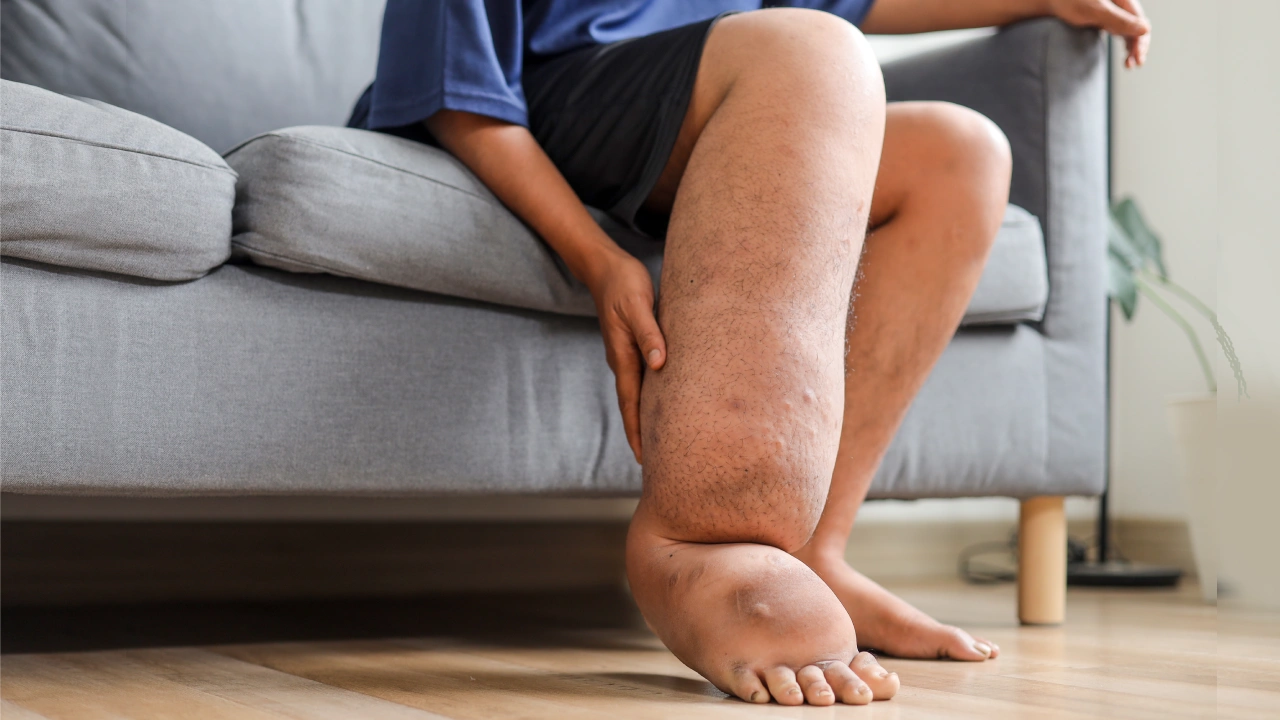
A swollen arm or leg may seem like a minor inconvenience at first. Your shoes feel tighter, your skin feels stretched, or one limb looks noticeably larger than the other. But what if the swelling isn’t simply caused by standing too long or sitting in one position? Lymphedema Therapy focuses on managing swelling associated with impaired lymphatic drainage, a problem that can develop after surgery, cancer treatment, injury, or certain underlying conditions. Recognizing the signs early can help you understand what is happening and when to seek professional care.
For many people, the frustrating part is that swelling doesn’t always follow a predictable pattern. It may decrease overnight, return during the day, or gradually become more noticeable. So, what causes these changes, and what can you do about them?
Let’s look at the warning signs, possible causes, treatment approaches, and everyday strategies that can help manage lymphatic swelling.
What Is Lymphedema and Why Does It Cause Swelling?
Your lymphatic system works quietly in the background, helping maintain fluid balance and supporting your immune system. It consists of lymph vessels, lymph nodes, and other tissues that transport lymph fluid throughout the body.
This fluid contains water, proteins, immune cells, and other substances collected from body tissues. Lymph vessels carry it towards lymph nodes before it eventually returns to the bloodstream.
But what happens when this drainage network cannot move fluid efficiently?
Lymphedema develops when lymph fluid accumulates in the tissues because the lymphatic system is damaged, blocked, or not functioning properly.
The resulting swelling commonly affects the arms and legs, although other body areas can also be involved.
There are two main types:
1. Primary lymphedema
This type develops because of inherited or genetic differences affecting the development or function of lymphatic vessels. Symptoms may appear during childhood, adolescence, or adulthood.
2. Secondary lymphedema
Secondary lymphedema develops when an existing lymphatic system becomes damaged. Possible causes include lymph node removal, radiation therapy, certain infections, injuries, and other medical conditions.
Unlike temporary swelling caused by minor circumstances, lymphedema may persist and gradually affect skin texture, limb size, and movement.
The important distinction is that not every swollen limb indicates a lymphatic condition. Medical assessment helps identify the underlying cause.
7 Warning Signs Your Swelling Could Be Related to Lymphedema
Swelling isn’t always accompanied by pain. In fact, some people initially notice changes in clothing fit or limb size rather than discomfort.
Here are seven signs worth discussing with a healthcare professional.
1. Persistent swelling in an arm or leg
One limb may appear larger than the other. Swelling might initially come and go, but it can gradually become more persistent.
You may notice that your hand, fingers, foot, ankle, or entire limb looks different.
2. A feeling of heaviness or tightness
Does your arm feel unusually heavy even when you’re not carrying anything?
Accumulated fluid can create a sensation of fullness, pressure, or tightness that affects everyday movement.
3. Skin that feels stretched or firm
As fluid accumulates, the affected area may feel stretched. Some people also notice that the skin becomes firmer over time.
These changes deserve attention, particularly when accompanied by ongoing swelling.
4. Reduced flexibility or joint movement
Swelling around the wrist, elbow, knee, or ankle can make normal movements uncomfortable.
Tasks such as bending your knee, reaching overhead, gripping objects, or walking may become more difficult.
5. Clothing, shoes, or jewellery may become tighter.
A ring that previously fitted comfortably may suddenly feel restrictive. Shoes might become uncomfortable on one foot, or sleeves may feel tighter around one arm.
These small changes can sometimes appear before people recognize the extent of the swelling.
6. Recurring skin irritation or infections
Fluid accumulation can increase the risk of skin complications, including bacterial infections such as cellulitis.
Watch for new redness, warmth, tenderness, skin breaks, or fever. Suspected infection requires prompt medical assessment.
7. Changes in skin texture or thickness
Persistent swelling can contribute to skin thickening, dryness, and changes in texture.
In more advanced cases, the affected skin may become harder or develop folds.
How can these symptoms affect daily activities?
Even moderate swelling can interfere with ordinary routines. Walking, exercising, working at a desk, getting dressed, and sleeping comfortably may become more challenging.
If you notice ongoing changes, arrange a medical assessment rather than assuming the swelling will disappear on its own.
6 Reasons Lymphedema Can Develop or Continue
Why would someone develop swelling months or even years after surgery?
The answer often involves changes in the lymphatic system that are not immediately noticeable.
Here are six possible contributing factors.
1. Lymph node removal during surgery
Some cancer operations involve removing lymph nodes to assess or manage the disease. This can interrupt normal lymphatic drainage and increase the risk of swelling in nearby body areas.
2. Radiation therapy
Radiation can cause changes in surrounding tissues and lymphatic vessels. Scar tissue may develop, affecting the movement of lymph fluid.
3. Cancer-related treatment
Certain cancer treatments can affect lymphatic structures directly or indirectly. Swelling may develop during treatment or long after it has ended.
4. Damage to lymphatic vessels
Trauma, surgery, or other injuries can interfere with the channels responsible for transporting lymph fluid.
5. Certain infections or underlying conditions
Some infections can damage lymphatic structures. Other health conditions may also contribute to swelling or interfere with fluid movement.
6. Congenital lymphatic abnormalities
Some people are born with lymphatic vessels that are underdeveloped or do not function normally.
Symptoms may remain unnoticed for years before becoming apparent.
One important point: swelling can also result from circulation problems, blood clots, heart or kidney conditions, and other medical issues. Identifying its cause should come before starting a treatment program.
How Lymphedema Therapy Helps Manage Swelling
Managing lymphatic swelling usually involves more than one approach. Treatment may combine manual techniques, compression, movement, and daily skin care.
The exact approach depends on the person’s medical history, symptoms, affected body area, and clinical assessment.
Initial Assessment and Swelling Evaluation
Before beginning treatment, we need to understand what may be contributing to the swelling.
An initial assessment may involve:
- Reviewing your symptoms and medical history.
- Discussing previous surgeries, radiation, or cancer treatment.
- Examining the affected area.
- Assessing skin condition and tissue changes.
- Checking movement and functional limitations.
- Reviewing swelling patterns and previous medical investigations.
We also consider whether additional medical evaluation is necessary before proceeding.
This step matters because different causes of swelling require different approaches.
Manual Lymphatic Drainage
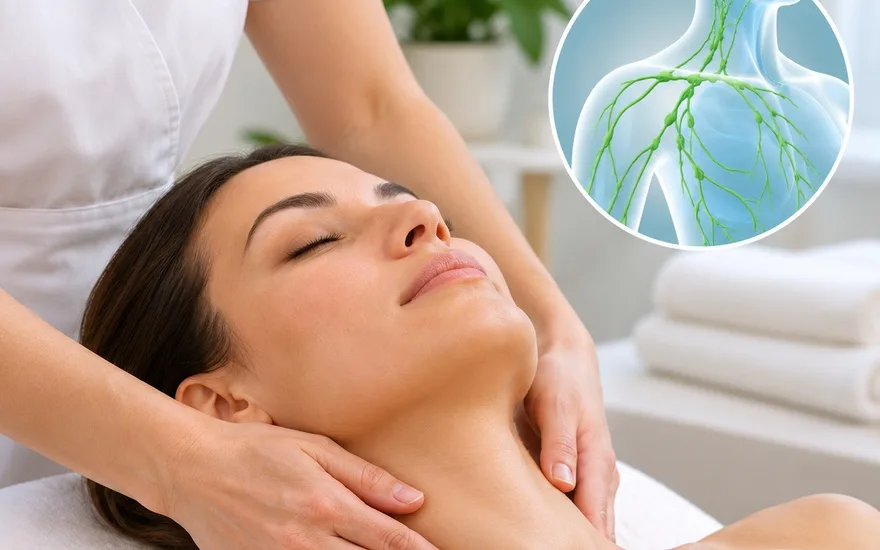
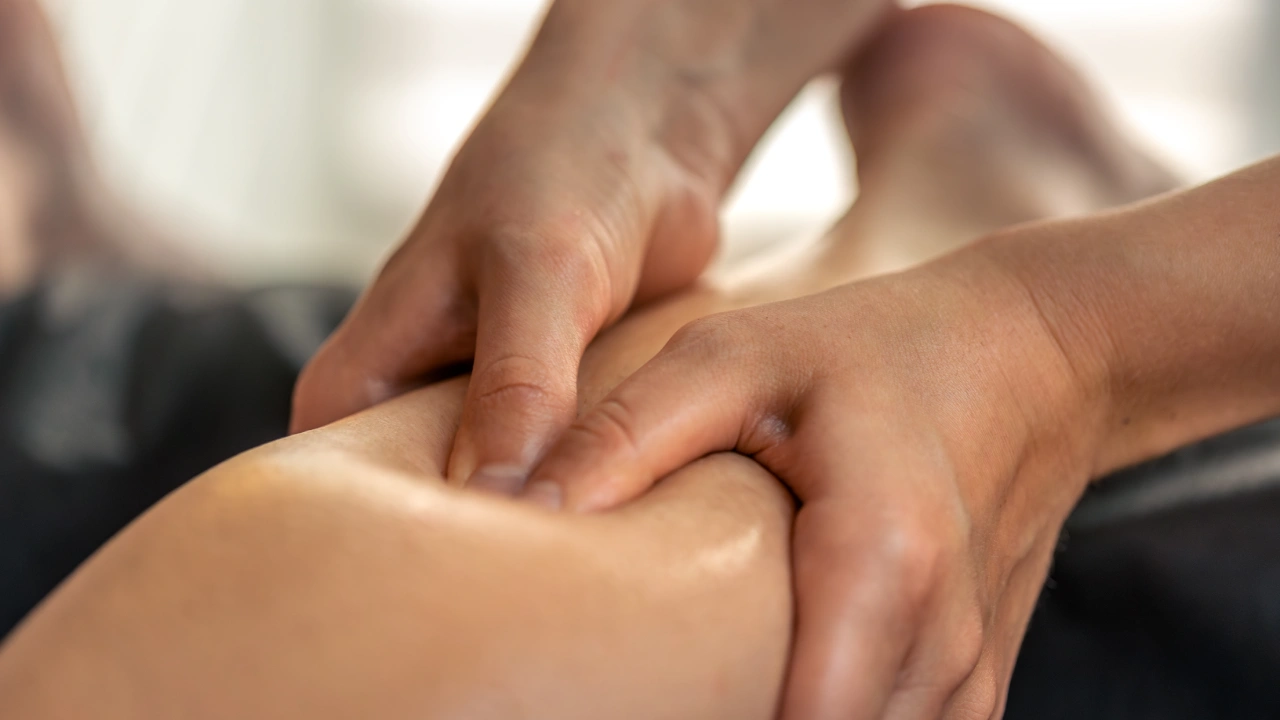
Manual Lymphatic Drainage (MLD) is a gentle, rhythmic hands-on technique used in lymphatic care.
Unlike conventional deep-tissue massage, it uses light, controlled movements intended to encourage lymph fluid movement towards functioning drainage pathways.
During a session, a therapist may:
- Use gentle movements around selected lymphatic areas.
- Work with specific body regions and drainage pathways.
- Apply light pressure rather than deep muscle manipulation.
- Follow a sequence based on the affected area and clinical assessment.
The technique does not involve forceful pressure or aggressive kneading.
An important distinction: MLD is not appropriate for everyone. Active infections, suspected blood clots, certain heart conditions, and other medical circumstances may require treatment to be postponed or modified.
Its role is generally considered alongside compression, movement, and skin care rather than as a standalone solution.
Compression Therapy
Why do compression garments matter when someone already has swelling?
Compression applies controlled external pressure to the affected area. This can help limit additional fluid accumulation and support fluid movement when combined with muscle activity.
Depending on individual requirements, compression may involve:
- Compression sleeves.
- Compression stockings.
- Compression gloves.
- Multilayer bandaging.
- Adjustable compression wraps.
Correct sizing and pressure levels are important. An unsuitable garment may cause discomfort, restrict circulation, or create additional complications.
Compression should therefore be selected following an appropriate assessment, particularly for people with vascular or other underlying health conditions.
Therapeutic Exercises and Movement
Your muscles play an important role in lymphatic circulation.
Unlike the cardiovascular system, the lymphatic system does not have a central pump like the heart. Muscle contractions help move lymph fluid through the vessels.
This is why appropriate movement can form part of a swelling management plan.
Depending on your condition, exercises may include:
- Gentle walking.
- Ankle pumps.
- Shoulder movements.
- Arm and leg mobility exercises.
- Controlled breathing exercises.
- Gradual strengthening activities.
Exercise intensity should match your current abilities and medical circumstances.
You do not necessarily need strenuous workouts. Consistent, manageable movement can be more practical than pushing through discomfort.
Skin Care and Swelling Management
Skin care is another important part of lymphatic management.
When swelling is present, the skin may become dry, stretched, or vulnerable to small injuries. These changes can increase the risk of infection.
Consider these daily habits:
- Wash the affected area gently.
- Dry carefully, including between the toes and skin folds.
- Apply a suitable moisturizer to prevent dryness.
- Check for cuts, cracks, blisters, or unusual skin changes.
- Protect the skin from insect bites and scratches.
- Avoid ignoring redness, warmth, or tenderness.
Small skin problems deserve attention because infections can develop quickly in an affected limb.
5 Common Mistakes People Make When Managing Lymphedema
Sometimes, everyday habits can make swelling harder to monitor and manage.
Here are five mistakes worth avoiding.
1. Assuming all swelling will disappear with rest
Temporary swelling may decrease after elevation or overnight rest. However, persistent lymphatic swelling may require a different approach.
If swelling repeatedly returns, arrange an assessment to investigate its cause.
2. Ignoring changes in swelling patterns
An increase in limb size, new tightness, or changes in skin texture should not be dismissed.
Keeping a record of when swelling occurs and whether it changes during the day can help during medical appointments.
3. Wearing compression garments without proper assessment
Buying a compression sleeve or stocking based on appearance alone can create problems.
The correct garment depends on limb measurements, medical history, and the required compression level.
4. Avoiding movement completely
Some people stop exercising because they worry that movement will increase swelling.
However, appropriate muscle activity can support lymphatic circulation. Ask your healthcare provider which movements are suitable for your circumstances.
5. Neglecting skin care and infection warning signs
Dry skin, small cuts, and cracks can become entry points for bacteria.
Maintain a daily skin-care routine and seek prompt medical attention if you notice new warmth, redness, tenderness, fever, or rapidly increasing swelling.
What to Expect During Your First Lymphedema Therapy Appointment
Not knowing what happens during a first appointment can make people hesitant to seek care.
The process generally begins with a conversation about your symptoms and medical history.
Here’s what you may encounter:
Step 1: Discussion of your symptoms
We begin by discussing when the swelling started, which areas are affected, whether it changes throughout the day, and whether you experience tightness, heaviness, or movement restrictions.
Step 2: Review of your medical history
Previous operations, radiation treatment, cancer care, injuries, infections, and existing medical conditions may all be relevant.
Step 3: Physical assessment
The affected area may be examined for swelling patterns, skin condition, tissue firmness, and movement limitations. Measurements may also be taken to monitor changes over time.
Step 4: Discussion of suitable treatment approaches
Depending on your assessment, the plan may include manual lymphatic drainage, compression, therapeutic exercises, or skin-care recommendations.
Not every person requires every component.
Step 5: Home-care instructions
You may receive advice about movement, skin hygiene, compression use, and monitoring changes between appointments.
Step 6: Progress monitoring
Follow-up visits allow us to review changes in swelling, movement, skin condition, and daily function.
The number and frequency of appointments depend on your individual circumstances.
Managing Lymphedema in Everyday Life in Hamilton
Living with ongoing swelling can affect more than physical comfort. It can change how you plan your workday, commute, exercise, and spend time outside.
For someone travelling across Hamilton for work, sitting for extended periods or spending hours standing may make existing swelling more noticeable.
What can you do during an ordinary day?
During work:
- Take regular movement breaks.
- Avoid remaining in one position for extended periods.
- Follow your prescribed compression routine.
- Keep the affected area comfortable and supported.
While commuting:
- Change positions when possible.
- Avoid restrictive clothing or accessories.
- Follow medical advice about compression during longer journeys.
During physical activities:
- Choose activities suited to your current abilities.
- Increase exercise gradually.
- Follow your prescribed movement program.
- Monitor any unusual changes in swelling.
At home:
- Check the affected skin regularly.
- Moisturize dry areas.
- Record changes in limb size or symptoms.
- Follow instructions for compression garments or wraps.
Residents seeking Lymphedema Therapy in Hamilton can discuss their symptoms with a healthcare provider and explore whether lymphatic rehabilitation should form part of their care plan.
Consistency matters, but so does recognizing when symptoms change. A sudden increase in swelling should never automatically be attributed to an existing lymphatic condition.
When to seek urgent medical attention
Contact a healthcare professional promptly if you develop sudden swelling, new redness, warmth, fever, or severe pain.
These symptoms may indicate an infection, blood clot, or another medical problem requiring assessment.
Sudden shortness of breath or chest pain requires emergency medical care. Do not wait for a routine appointment.
Frequently Asked Questions About Lymphatic Swelling
1. What is the main purpose of Lymphedema Therapy?
Its main purpose is to help manage swelling associated with impaired lymphatic drainage. Treatment may involve manual lymphatic drainage, compression, exercise, and skin care, depending on the individual’s medical circumstances.
2. Can lymphedema swelling go away completely?
Lymphedema is generally a chronic condition, and there is currently no established cure. However, appropriate management can help control swelling, maintain movement, and reduce the risk of complications.
3. How long does a treatment session take?
Session length varies according to the affected area, assessment findings, and treatment plan. Your therapist can explain the expected appointment duration before treatment begins.
4. Is manual lymphatic drainage suitable for everyone?
No. Certain infections, suspected blood clots, and some underlying medical conditions may make this technique unsuitable. A health assessment should take place before treatment.
5. Can exercise help manage lymphedema?
Yes. Appropriate muscle activity can support lymphatic fluid movement. Walking, gentle mobility exercises, and prescribed strengthening activities may form part of a management plan.
6. When should I seek medical attention for persistent swelling?
Arrange a medical assessment if swelling continues, repeatedly returns, or affects your movement. Seek prompt attention for sudden swelling, redness, warmth, fever, or severe pain.
Take the Next Step Towards Managing Persistent Swelling
Swelling that keeps returning deserves attention, particularly when it is accompanied by heaviness, tight skin, restricted movement, or changes in limb size.
Ignoring these changes may delay identification of the underlying cause. At the same time, starting compression or manual techniques without an appropriate assessment may not be suitable for everyone.
Lymphedema Therapy can form part of a wider management plan involving lymphatic care, movement, compression, and daily skin maintenance.
At Wellness Flowz Lymphatic Recovery Center, we work with individuals seeking support for lymphatic swelling and recovery concerns in Hamilton.
If persistent swelling is affecting your daily routine, contact our clinic to discuss your symptoms and arrange an appointment.
Address: 25 Charlton Ave E #202, Hamilton, ON L8N 1Y2, Canada
Phone: +1 365-323-0629
Call +1 365-323-0629 to discuss your concerns and arrange a visit to our Hamilton clinic.