Why Physiotherapy in Hamilton Is Important for Maintaining Mobility and Strength
Our ability to move freely plays an important role in everyday life. From walking around the neighbourhood and climbing stairs to carrying groceries and enjoying recreational activities, mobility and physical strength help us complete daily tasks with confidence. However, as we age, experience injuries, or spend long hours sitting at a desk, maintaining healthy movement can become challenging. Muscle weakness, joint stiffness, reduced flexibility, and discomfort may gradually affect our ability to stay active.
This is where physiotherapy can play an important role. For individuals looking for Physiotherapy Hamilton, understanding how physiotherapy supports mobility and physical strength is a useful first step towards maintaining an active lifestyle. Through guided exercises, movement education, and appropriate physical rehabilitation strategies, physiotherapy can help address movement limitations and support physical function.
At Wellness Flowz Lymphatic Recovery Center, we recognize the importance of movement, physical function, and overall wellbeing. Learning about physiotherapy can help Hamilton residents make informed decisions about their physical health and everyday activity.
What Is Physiotherapy and Why Does It Matter?
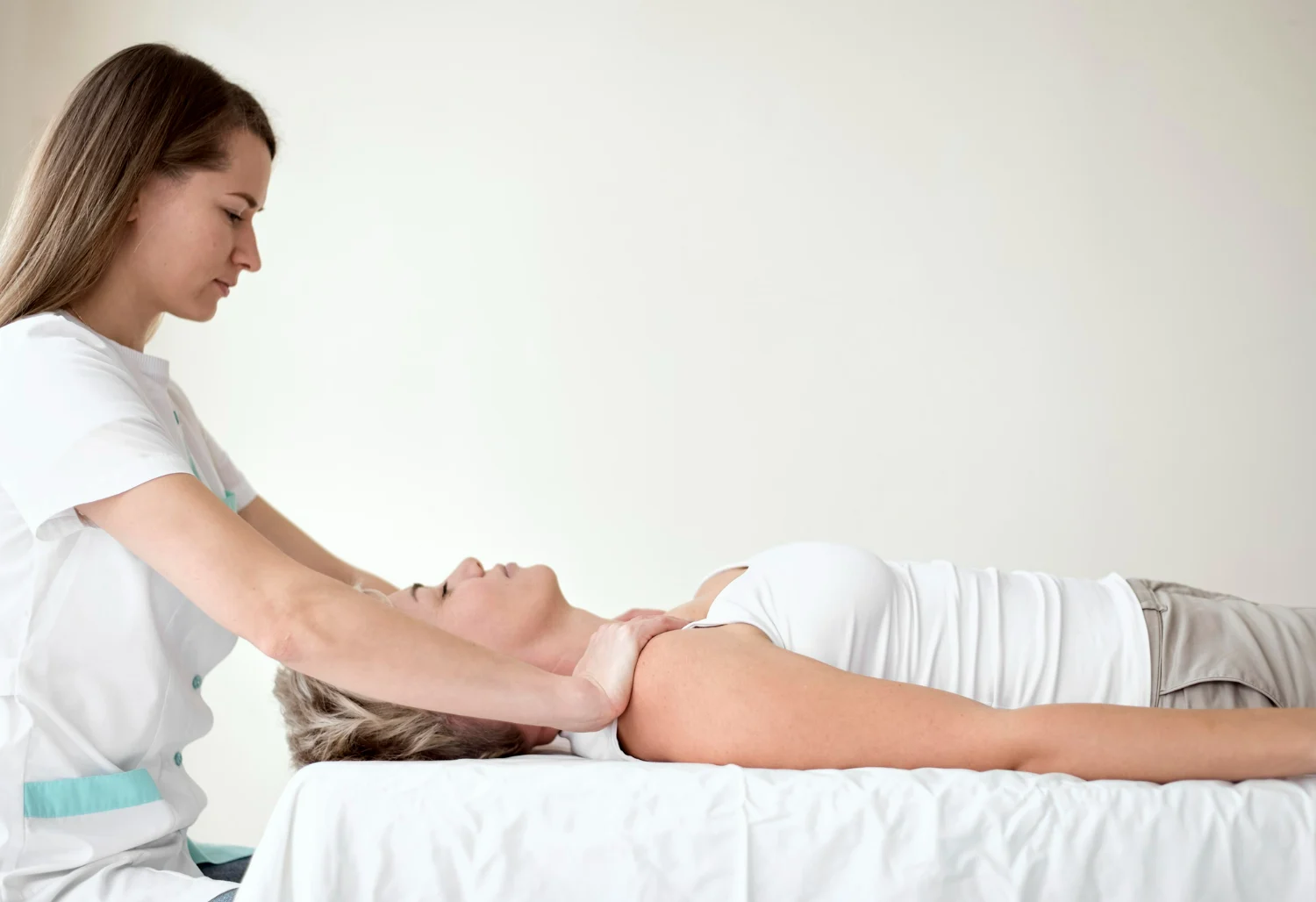
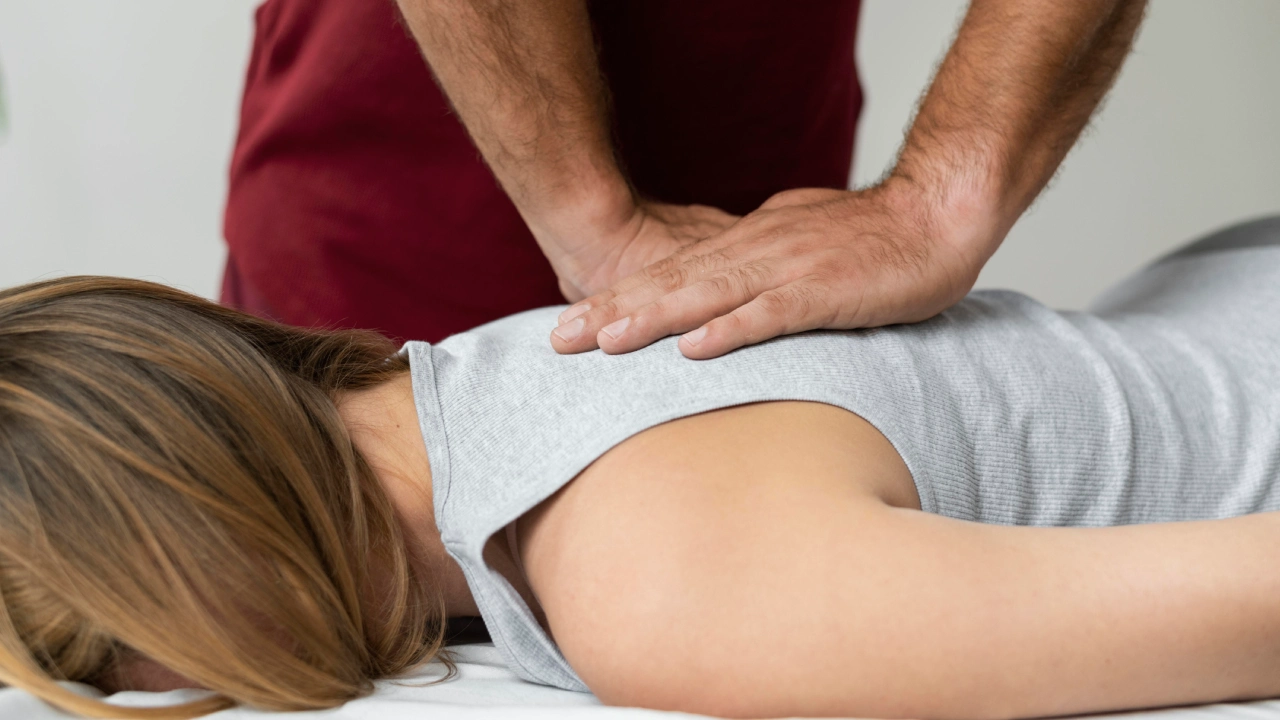
Physiotherapy is a healthcare profession focused on assessing, managing, and preventing physical movement difficulties. It uses different approaches, including therapeutic exercises, movement training, education, and manual techniques, to address problems affecting muscles, joints, and other parts of the musculoskeletal system.
Physiotherapy is not only for people recovering from injuries. It can also support individuals who want to maintain their physical abilities, improve balance, develop strength, or manage movement-related challenges.
Some common reasons people seek physiotherapy include:
- Muscle weakness and reduced physical strength.
- Joint stiffness and restricted movement.
- Back, neck, and shoulder discomfort.
- Sports-related injuries.
- Difficulty walking or maintaining balance.
- Recovery following surgery.
- Reduced mobility associated with ageing.
- Physical limitations caused by prolonged inactivity.
By identifying movement difficulties and addressing their contributing factors, physiotherapy can help individuals work towards improved physical function.
How Physiotherapy in Hamilton Supports Mobility
Mobility refers to the ability to move your body and joints through the ranges of motion required for everyday activities. It plays an important role in maintaining independence, participating in physical activities, and completing daily responsibilities.
Limited mobility can develop gradually or occur following an injury, illness, surgery, or period of inactivity.
Physiotherapy can address mobility challenges through several approaches.
Improving Joint Flexibility
Joint stiffness can make everyday activities difficult. Simple movements such as bending, reaching, turning, or getting out of a chair may become uncomfortable when joints have limited movement.
Physiotherapists may recommend mobility exercises and gentle stretching based on an individual’s physical assessment.
These exercises may help:
- Maintain joint movement.
- Improve flexibility.
- Reduce movement restrictions.
- Support comfortable everyday activities.
- Encourage regular physical activity.
For example, someone who spends several hours working at a desk may experience stiffness in their neck, shoulders, and hips. Appropriate movement exercises can help address these restrictions and encourage regular movement throughout the day.
Supporting Better Balance and Coordination
Balance is essential for walking, standing, changing direction, and navigating different surfaces.
As people age, changes in muscle strength, joint function, vision, and coordination can affect their balance. Previous injuries and certain health conditions may also contribute to instability.
Physiotherapy may include balance-focused activities such as:
- Controlled standing exercises.
- Weight-shifting movements.
- Walking and stepping activities.
- Coordination exercises.
- Lower-body strengthening.
These activities help individuals practise controlled movement and develop the physical skills required for everyday mobility.
Maintaining Functional Movement
Functional movement involves the physical actions we perform during everyday activities.
Examples include:
- Getting up from a chair.
- Climbing stairs.
- Reaching overhead.
- Bending to pick something up.
- Walking on uneven surfaces.
- Carrying household items.
Physiotherapy exercises can replicate these movements in a controlled setting, helping individuals practise the physical activities they encounter in daily life.
Why Physical Strength Is Important for Everyday Health
Muscle strength is essential for supporting joints, maintaining posture, controlling movement, and completing everyday tasks.
When muscles become weak, ordinary activities may require additional effort. Individuals may also experience reduced endurance, difficulty maintaining balance, or increased physical limitations.
Maintaining muscle strength is particularly important as we age because muscle mass and strength can gradually decline without regular physical activity.
Supporting Muscle Function
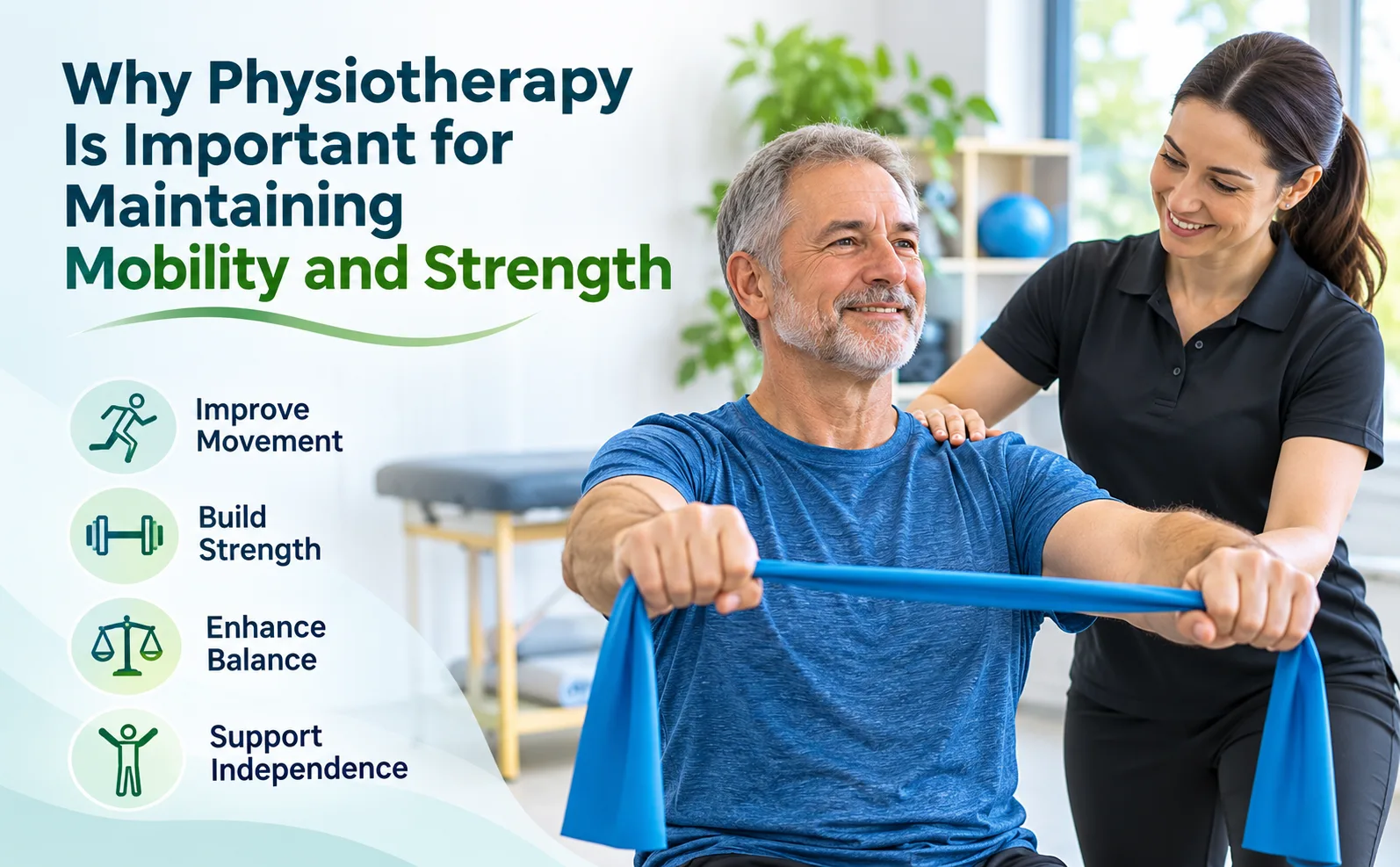
Strengthening exercises help muscles work against resistance. Depending on an individual’s abilities and physical requirements, these exercises may involve bodyweight movements, resistance bands, or light weights.
Common physiotherapy strengthening activities include:
- Sit-to-stand exercises.
- Wall push-ups.
- Resistance band exercises.
- Controlled squats.
- Heel raises.
- Leg strengthening movements.
The exercises selected should reflect an individual’s physical capacity, medical history, and movement goals.
Supporting Joint Stability
Muscles play an important role in supporting and stabilizing joints.
For example, strong muscles around the knees and hips contribute to lower-body stability during walking, climbing stairs, and standing.
Physiotherapy can incorporate strengthening activities that target the muscles surrounding specific joints. This may help improve movement control and support everyday physical activities.
Maintaining Physical Endurance
Strength and endurance work together to support an active lifestyle.
Muscular endurance refers to the ability of muscles to perform repeated movements or sustain activity over time.
Walking, cycling, swimming, and appropriately selected strengthening exercises can contribute to physical endurance.
A physiotherapist can help individuals select suitable activities and gradually adjust exercise intensity according to their abilities.
The Connection Between Mobility, Strength, and Ageing
Ageing brings natural changes to the body. Muscle mass may decrease, joints may become stiffer, and balance can become more challenging.
However, reduced mobility does not have to mean giving up everyday activities.
Regular physical activity and appropriate strengthening exercises can help older adults maintain physical function and participate in activities that matter to them.
Physiotherapy may support older adults through:
- Lower-body strengthening.
- Balance and coordination activities.
- Walking practice.
- Joint mobility exercises.
- Posture education.
- Functional movement training.
For example, an older adult who finds it difficult to climb stairs may benefit from exercises focusing on leg strength, balance, and controlled stepping.
A suitable exercise programme can help address these physical challenges while taking individual abilities and safety considerations into account.
Common Signs You May Benefit from Physiotherapy
Recognizing changes in your movement can help you decide when to seek professional assessment.
You may want to consider physiotherapy if you notice:
1. Persistent joint stiffness
Difficulty moving your shoulders, hips, knees, or ankles may indicate restricted joint mobility.
2. Reduced muscle strength
Finding everyday tasks such as carrying groceries or standing from a chair increasingly difficult may suggest muscle weakness.
3. Difficulty maintaining balance
Frequent unsteadiness or concerns about falling may warrant a physical assessment.
4. Limited movement following an injury
An injury can affect muscle function, joint mobility, and movement coordination.
5. Discomfort during everyday activities
Recurring discomfort when walking, bending, reaching, or climbing stairs may require professional evaluation.
6. Reduced activity levels
Spending extended periods sitting or avoiding movement can contribute to muscle weakness and stiffness.
If you experience sudden weakness, significant swelling, severe pain, or new neurological symptoms, seek appropriate medical assessment rather than relying on exercise alone.
Simple Ways to Maintain Mobility and Strength at Home
Physiotherapy appointments can be supported by regular movement habits at home. Consistency is important when maintaining physical activity and muscle function.
Here are some practical strategies Hamilton residents can incorporate into their routines.
1. Take Regular Movement Breaks
Long periods of sitting can contribute to stiffness and reduced physical activity.
If you work at a desk, consider standing up, walking around, or performing gentle mobility movements throughout the day.
2. Include Strength Exercises
Try incorporating simple exercises such as:
- Chair squats.
- Wall push-ups.
- Heel raises.
- Gentle resistance band exercises.
- Controlled step-ups.
Start with movements appropriate for your current abilities and increase activity gradually.
3. Practise Gentle Stretching
Stretching can help maintain flexibility and support joint movement.
Consider gentle stretches for the neck, shoulders, hips, calves, and hamstrings. Avoid forcing movements or stretching into pain.
4. Include Walking in Your Routine
Walking is an accessible physical activity that engages several muscle groups and supports cardiovascular health.
You can begin with shorter walks and gradually increase your walking time as your fitness and physical capacity allow.
5. Pay Attention to Posture
Maintaining comfortable posture during sitting, standing, and everyday activities can help reduce unnecessary physical strain.
Adjust your workstation, take movement breaks, and avoid remaining in one position for extended periods.
6. Allow Time for Recovery
Rest is an important part of physical activity.
Give your body sufficient recovery time between demanding exercise sessions, particularly when starting a new routine or returning to activity following an injury.
If an exercise causes significant discomfort, stop and seek professional advice.
How to Choose Physiotherapy Services in Hamilton
Finding an appropriate physiotherapy provider involves considering your physical needs, treatment goals, and the qualifications of the healthcare professional.
If you are researching Physiotherapy Hamilton, consider the following factors:
- Professional credentials: Check the practitioner’s registration and qualifications with the relevant regulatory body.
- Assessment process: Look for a service that considers your medical history, movement limitations, and physical abilities.
- Treatment approach: Ask about the exercises, movement strategies, and rehabilitation methods that may be suitable for your condition.
- Communication: Choose a practitioner who explains exercises clearly and discusses your progress.
- Location and accessibility: Consider appointment availability, travel distance, and whether the clinic meets your accessibility requirements.
A suitable physiotherapy programme should reflect your individual physical condition rather than relying on the same exercise routine for everyone.
The Role of Wellness Flowz Lymphatic Recovery Center in Physical Wellbeing
Physical wellbeing involves several aspects of health, including movement, muscle function, flexibility, and lymphatic health.
At Wellness Flowz Lymphatic Recovery Center, we recognize the value of understanding how different aspects of physical wellbeing relate to everyday activities.
Individuals exploring physiotherapy and lymphatic care in Hamilton may benefit from learning about the different services available and how each addresses specific health needs.
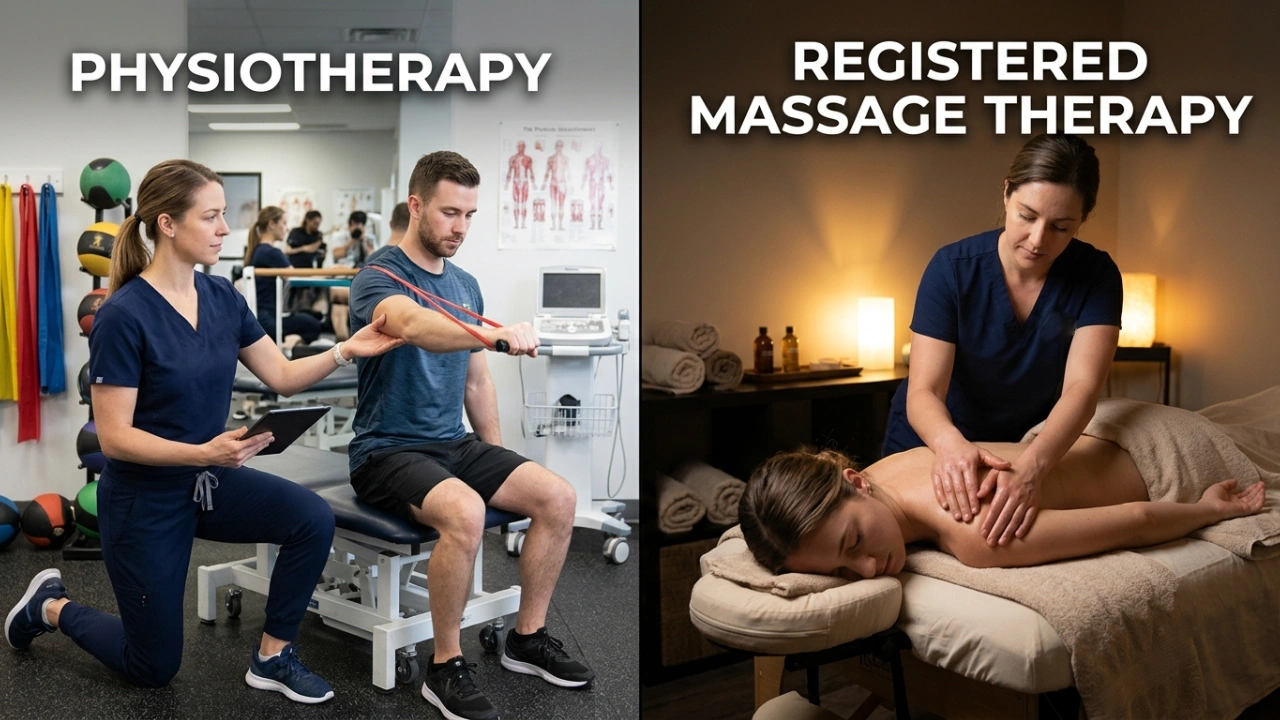
It is important to distinguish between these approaches. Physiotherapy focuses on physical function, movement, and rehabilitation, while lymphatic care addresses the lymphatic system and related concerns.
Depending on an individual’s condition, these services may have different roles within their overall healthcare plan. Anyone considering treatment should consult an appropriately qualified practitioner to determine which service is suitable.
Frequently Asked Questions
1. How Often Should I Attend Physiotherapy?
The frequency of physiotherapy appointments depends on your condition, physical abilities, and rehabilitation goals. Some individuals may require regular appointments, while others may benefit from periodic assessments and home exercises.
Your physiotherapist can recommend a schedule based on your progress.
2. Can Physiotherapy Help Older Adults Maintain Mobility?
Yes. Physiotherapy can help older adults work on muscle strength, balance, flexibility, coordination, and functional movement.
Exercises are selected according to the individual’s physical abilities and health considerations.
3. Is Physiotherapy Only Necessary After an Injury?
No. Physiotherapy can also help individuals address movement restrictions, muscle weakness, balance difficulties, and physical limitations that are not necessarily caused by an injury.
4. Can I Perform Physiotherapy Exercises at Home?
Many physiotherapy exercises can be performed at home once a qualified practitioner has assessed your needs and explained the correct techniques.
Following the recommended exercise instructions is important for safety and consistency.
5. What Is the Difference Between Physiotherapy and Lymphatic Care?
Physiotherapy focuses on movement, physical function, strength, and rehabilitation. Lymphatic care focuses on supporting lymphatic function and managing certain swelling-related conditions.
The appropriate service depends on your health needs and clinical assessment.
Final Thoughts
Maintaining mobility and muscle strength is an important part of staying active and participating in everyday life. Whether you want to walk comfortably, improve balance, maintain joint flexibility, or manage movement difficulties, physiotherapy can play a valuable role in supporting physical function.
For Hamilton residents, learning about physiotherapy is a useful step towards making informed decisions about physical health. Regular movement, appropriate strengthening exercises, and professional assessment can all contribute to maintaining mobility as your physical needs change.
At Wellness Flowz Lymphatic Recovery Center, we encourage individuals to explore the relationship between movement, lymphatic health, and overall physical wellbeing. Taking an active interest in your physical health today can help you stay engaged in the activities that matter to you.