Recent post
Inflammation, Swelling & Fluid Retention: How Lymphatic Care and Osteopathy Help Your Body Heal
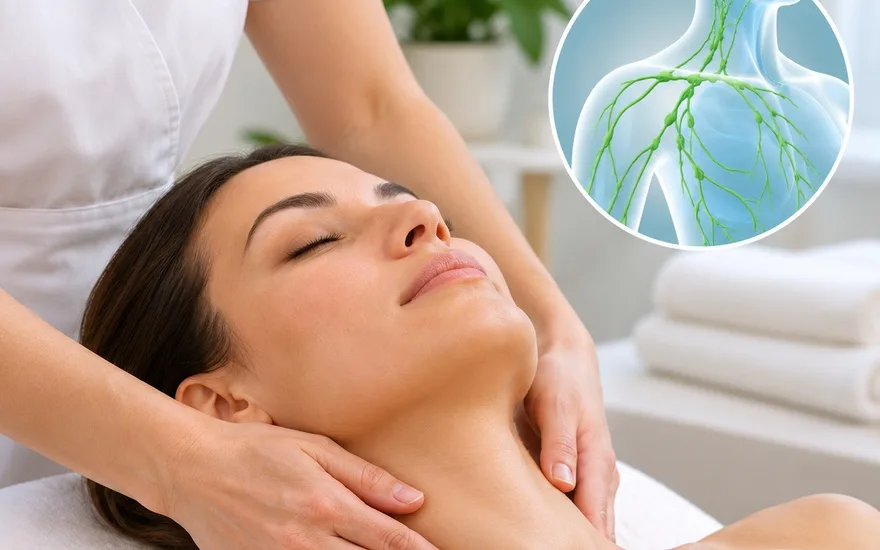
What Is Manual Lymphatic Drainage and How Does It Work? A Guide to Manual Lymphatic Drainage in Hamilton
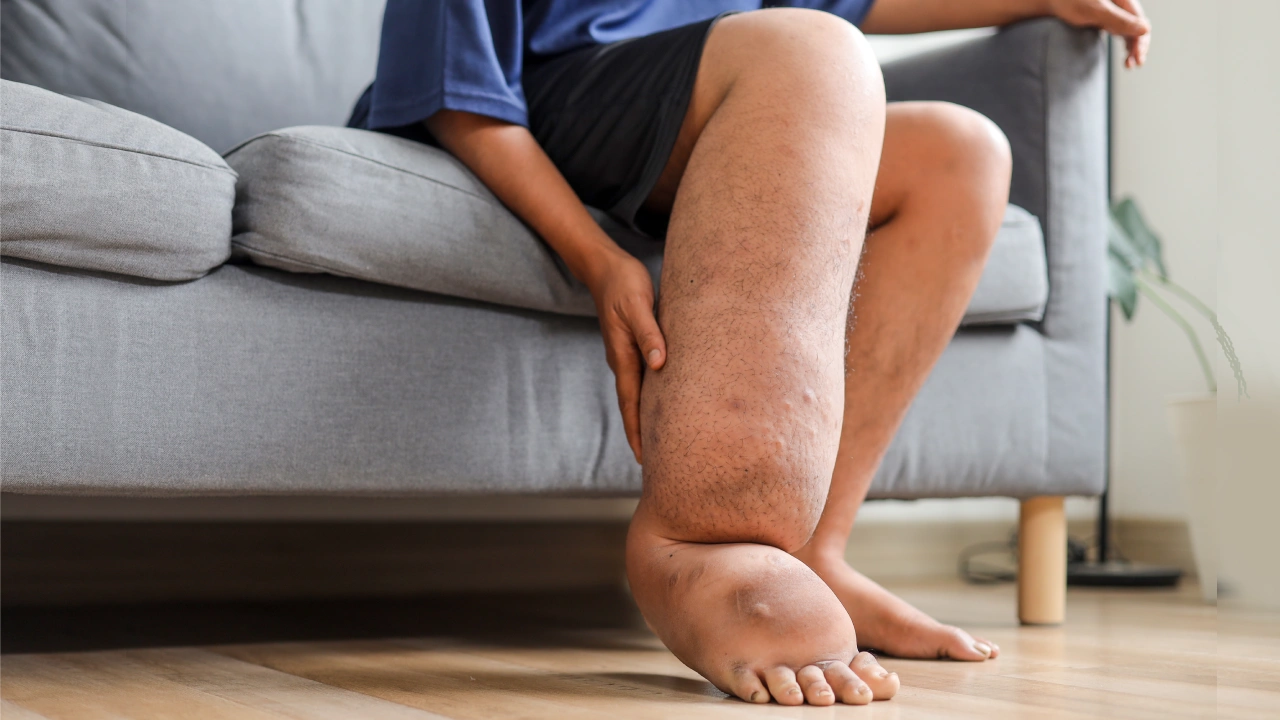
Lymphedema Therapy in Hamilton: What to Expect and How to Manage Swelling Effectively
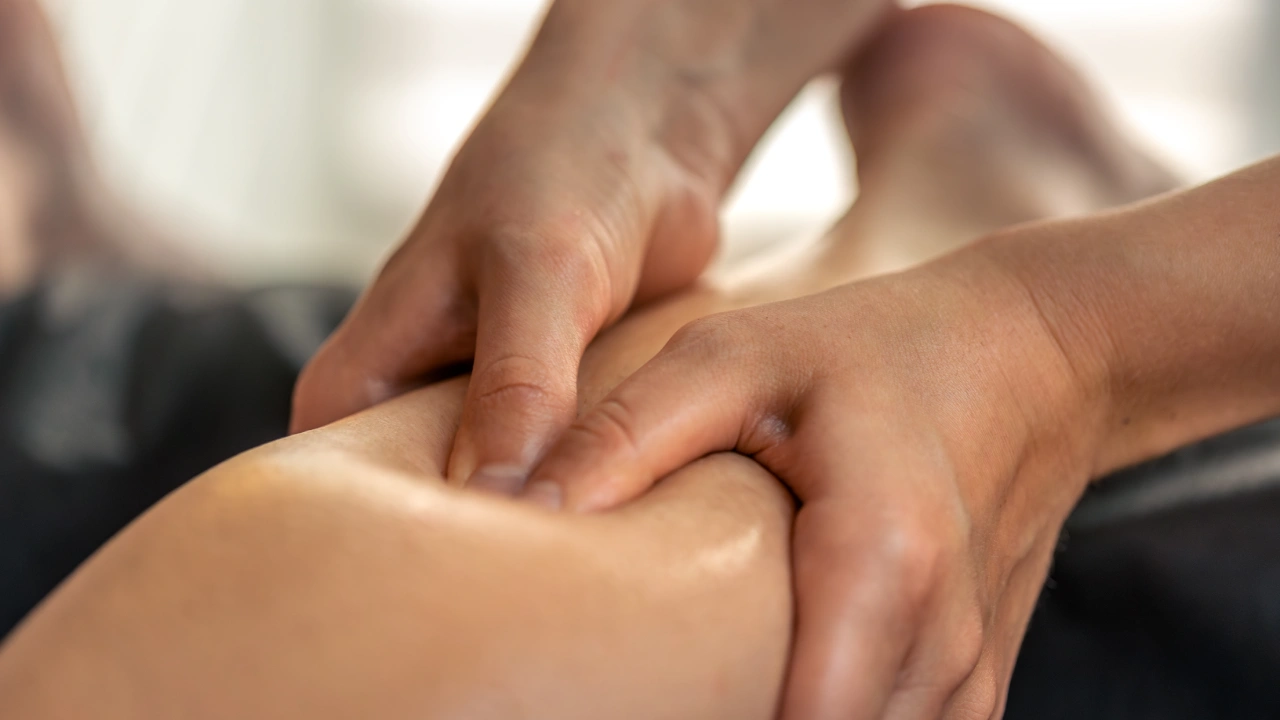
Beyond Deep Tissue: Why Manual Lymphatic Drainage Is Gaining Attention for Post-Op Recovery in Hamilton
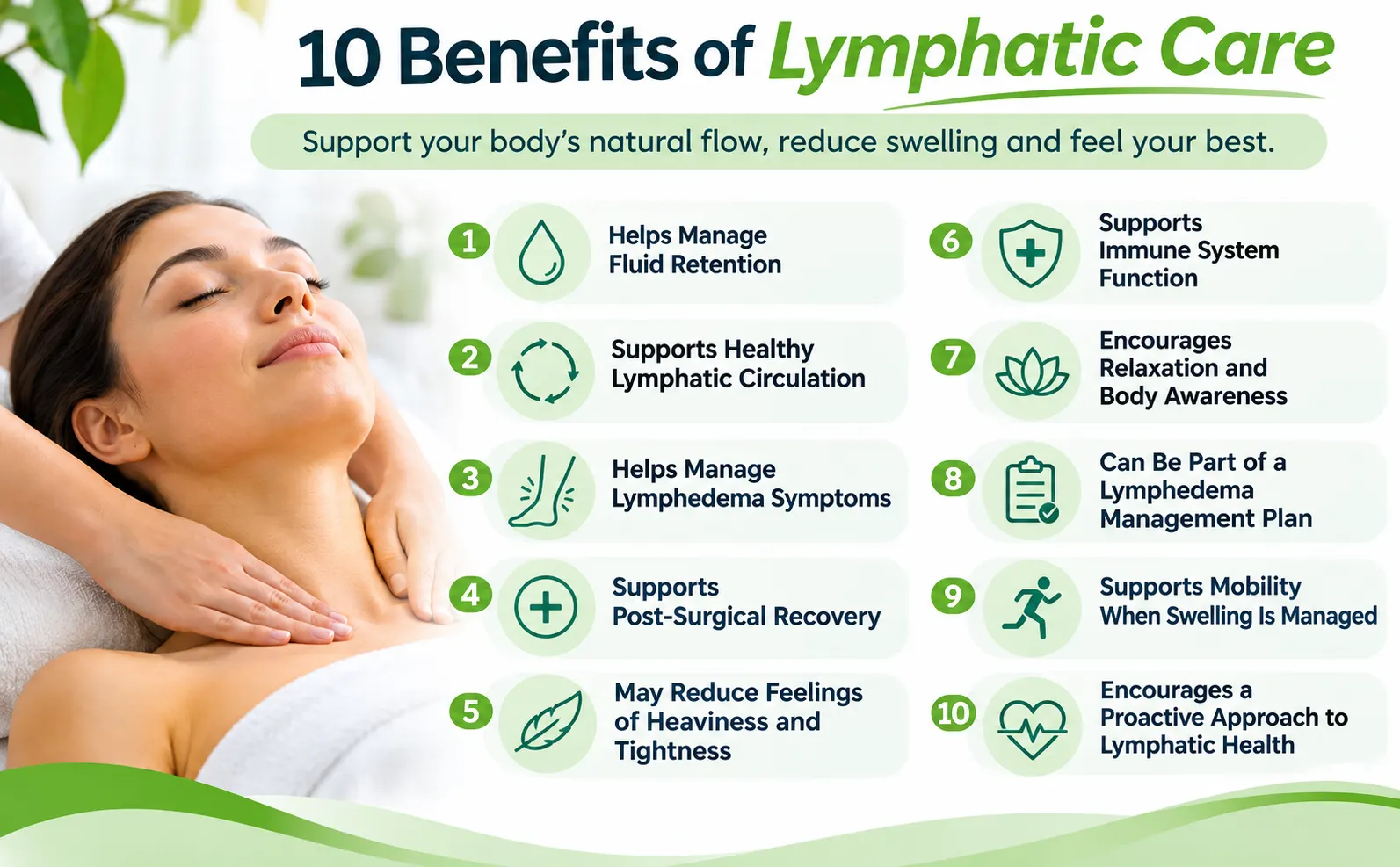
10 Benefits of Lymphatic Care in Hamilton You Should Know
Have you ever wondered why your body sometimes feels swollen, heavy, or sluggish, even when you maintain an active lifestyle? Your lymphatic system plays an important role in maintaining fluid balance, supporting immune function, and helping your body manage waste products. When this system does not function as it should, fluid can accumulate in the tissues, resulting in swelling and discomfort.
For individuals seeking ways to support their lymphatic health, lymphatic care in Hamilton is an important topic to explore. Through appropriate assessment and techniques such as manual lymphatic drainage, lymphatic care can help manage fluid build-up and support normal lymphatic circulation.
At Wellness Flowz Lymphatic Recovery Center, the focus is on helping individuals learn about their lymphatic health and explore suitable care options. Whether you are managing swelling, recovering from surgery, or simply looking to learn more about your body’s lymphatic system, knowing the potential benefits of lymphatic care can help you make informed decisions about your wellbeing.
What Is Lymphatic Care and Why Does It Matter?
The lymphatic system is a network of vessels, lymph nodes, and organs that work together to maintain fluid balance and support immune function. It collects excess fluid from body tissues, filters it through lymph nodes, and returns it to the bloodstream.
Unlike the circulatory system, which relies on the heart to pump blood, the lymphatic system depends on muscle movement, breathing, and other natural body processes to move lymph fluid.
When lymph flow becomes impaired, fluid may accumulate in certain areas, causing swelling known as oedema or, in some cases, lymphedema.
Lymphatic care includes various approaches that support lymphatic function and help manage fluid-related concerns. Manual lymphatic drainage is one technique that uses gentle, rhythmic movements to encourage lymph movement through functioning lymphatic pathways.
10 Benefits of Lymphatic Care in Hamilton You Should Know
1. Helps Manage Fluid Retention
One of the main reasons people explore lymphatic care is fluid retention. When excess fluid collects in body tissues, it can cause swelling in areas such as the arms, legs, ankles, and abdomen.
Lymphatic care, including manual lymphatic drainage when clinically appropriate, may help move excess fluid towards functioning lymphatic pathways.
This can be particularly relevant for people experiencing lymphatic dysfunction or swelling following certain medical procedures.
2. Supports Healthy Lymphatic Circulation
The lymphatic system relies on several natural processes to circulate lymph fluid throughout the body. Movement, muscle contractions, and breathing all contribute to this process.
Gentle lymphatic techniques may encourage fluid movement through functioning lymphatic vessels. This can be useful for individuals whose lymphatic circulation has been affected by surgery, injury, or certain health conditions.
Regular physical activity, adequate hydration, and following clinical recommendations can also contribute to lymphatic health.
3. Helps Manage Lymphedema Symptoms
Lymphedema is a chronic condition that develops when the lymphatic system cannot adequately drain fluid from body tissues. It can cause persistent swelling, heaviness, tightness, and changes in the affected area.
Lymphatic care may form part of a treatment plan for managing lymphedema.
Depending on individual needs, care may include:
- Manual lymphatic drainage.
- Compression garments or bandaging.
- Prescribed movement and exercise.
- Skin care to reduce the risk of infection.
- Education on managing swelling at home.
People living with lymphedema should consult a qualified healthcare professional to determine which approaches are appropriate for their condition.
4. Supports Post-Surgical Recovery
Swelling is a common part of the body’s response to surgery. Depending on the procedure, temporary fluid accumulation may occur around the affected tissues.
Some individuals explore lymphatic care as part of their post-surgical recovery plan. Manual lymphatic drainage may be appropriate in certain circumstances, but timing and technique should depend on the procedure, healing progress, and approval from the surgical team.
Before scheduling a lymphatic session following surgery, consider the following:
- Obtain clearance from your surgeon or healthcare provider.
- Share details about the procedure and recovery stage.
- Follow all post-operative instructions.
- Avoid pressure or massage around areas that have not healed.
- Report unusual swelling, redness, warmth, or increasing pain to your healthcare provider.
Appropriate post-surgical care should always take priority over massage or other wellness services.
5. May Help Reduce Feelings of Heaviness and Tightness
Fluid accumulation can make certain body areas feel heavy, tight, or uncomfortable. For example, someone with swelling in their legs may notice that walking or standing becomes more difficult throughout the day.
When clinically appropriate, lymphatic drainage techniques may help manage excess fluid and associated swelling.
People with ongoing heaviness or tightness should have the underlying cause assessed rather than relying solely on massage-based approaches.
6. Supports Immune System Function
The lymphatic system plays an important role in the body’s immune response. Lymph nodes contain immune cells that help identify and respond to foreign substances, including certain bacteria and viruses.
Lymphatic vessels transport lymph fluid through the lymph nodes, where it is filtered as part of normal immune activity.
Maintaining general health through regular movement, adequate sleep, hydration, and balanced nutrition supports normal bodily functions.
It is important to note that lymphatic massage does not detoxify the body, prevent infections, or directly strengthen immunity. Its role is primarily related to supporting fluid movement when clinically appropriate.
7. Encourages Body Awareness and Relaxation
Lymphatic care sessions generally involve gentle movements and a calm setting. For some individuals, this can provide an opportunity to slow down and focus on their physical wellbeing.
Gentle touch and a quiet environment may contribute to relaxation, particularly for people who spend much of their day sitting, working, or managing daily responsibilities.
However, lymphatic drainage is not a replacement for medical care or other approaches to managing stress.
8. Can Be Part of a Lymphedema Management Plan
Managing lymphedema often requires ongoing attention and a combination of care strategies. The appropriate approach depends on the affected area, severity of swelling, medical history, and overall health.
Manual lymphatic drainage may be included as one part of complete decongestive therapy, which can also involve compression, exercise, and skin care.
People managing lymphedema may find it useful to:
- Monitor changes in swelling.
- Wear prescribed compression garments.
- Follow recommended exercise routines.
- Maintain skin hygiene and moisturization.
- Attend scheduled healthcare appointments.
- Seek medical advice if new symptoms develop.
At Wellness Flowz Lymphatic Recovery Center in Hamilton, individuals can explore lymphatic care options and learn about approaches that may form part of their wider care plan.
9. Supports Mobility When Swelling Is Managed
Swelling can sometimes restrict joint movement and make everyday activities uncomfortable. For example, swelling around the ankles or knees may affect walking, while arm swelling can make reaching and lifting more difficult.
When fluid accumulation is reduced, some individuals may notice that movement becomes more comfortable.
Lymphatic care can be one component of a wider management plan, alongside appropriate exercise, physiotherapy, and compression when prescribed.
Maintaining gentle movement throughout the day is also important. Activities such as walking, ankle movements, and gentle stretching may support normal fluid circulation, provided they are suitable for your health condition.
10. Encourages a Proactive Approach to Lymphatic Health
Learning about your lymphatic system can help you recognize changes in your body and take appropriate steps when concerns arise.
A proactive approach may include:
- Staying physically active within your abilities.
- Drinking adequate water throughout the day.
- Maintaining healthy skin.
- Following medical advice for existing lymphatic conditions.
- Avoiding prolonged periods of inactivity.
- Seeking assessment when unexplained swelling occurs.
Lymphatic care is not necessary for everyone, but it may be a useful option for individuals with specific lymphatic concerns or conditions that affect fluid drainage.
Who May Benefit from Lymphatic Care in Hamilton?
Lymphatic care may be considered by individuals experiencing certain conditions or circumstances, including:
- People living with diagnosed lymphedema.
- Individuals experiencing persistent fluid-related swelling.
- People recovering from surgery, following medical clearance.
- Individuals with lymphatic dysfunction.
- People whose healthcare providers have recommended manual lymphatic drainage.
However, lymphatic massage is not suitable for everyone. Certain conditions, including suspected blood clots, acute infections, uncontrolled heart failure, and some kidney or cardiovascular conditions, may make this type of care unsuitable.
A healthcare assessment is important before beginning lymphatic drainage, particularly if you have an existing medical condition.
What Happens During a Manual Lymphatic Drainage Session?
Manual lymphatic drainage is a gentle technique that uses slow, rhythmic movements on the skin to encourage lymph movement.
A session generally begins with a discussion of your health history, current symptoms, and reason for seeking care. The practitioner may ask about previous surgeries, medical diagnoses, medications, and areas of swelling.
Depending on your circumstances, a session may involve:
- Initial assessment: Discussing your symptoms, medical history, and health concerns.
- Care planning: Determining whether lymphatic drainage is suitable for your circumstances.
- Gentle techniques: Applying light, rhythmic movements to selected areas.
- Aftercare discussion: Reviewing appropriate movement, hydration, and any recommendations from your healthcare team.
Manual lymphatic drainage should never be painful or involve deep pressure. If you experience discomfort, inform the practitioner immediately.
How to Choose a Lymphatic Care Centre in Hamilton
Finding a suitable provider is an important step when exploring lymphatic care. Not all massage services include lymphatic drainage, and practitioners may have different levels of training.
Before booking an appointment, consider these factors:
- Training and qualifications: Ask about the practitioner’s education in lymphatic drainage and lymphedema management.
- Health assessment: Check whether your medical history and current symptoms are reviewed before a session.
- Appropriate techniques: Confirm that the practitioner uses gentle lymphatic methods rather than conventional deep-tissue massage.
- Clear communication: Your provider should explain the procedure, potential benefits, limitations, and precautions.
- Referral requirements: Ask whether medical clearance is necessary for your particular circumstances.
At Wellness Flowz Lymphatic Recovery Center, Hamilton residents can explore lymphatic care services and learn more about the role of lymphatic drainage in managing fluid-related concerns.
Frequently Asked Questions About Lymphatic Care in Hamilton
How often should I receive lymphatic care?
The frequency depends on your health condition, symptoms, and care goals. Someone managing lymphedema may require a different schedule from an individual receiving care following surgery. A qualified practitioner or healthcare provider can help determine an appropriate schedule.
Is manual lymphatic drainage painful?
Manual lymphatic drainage is generally a gentle technique. It uses light pressure and rhythmic movements rather than deep tissue manipulation. It should not cause pain.
Can lymphatic care help with swelling in the legs?
Manual lymphatic drainage may help manage certain types of leg swelling, particularly when related to lymphatic dysfunction. However, leg swelling can have several causes, including circulatory and cardiovascular conditions. New or unexplained swelling should be medically assessed.
Is lymphatic care the same as a regular massage?
No. Traditional massage generally focuses on muscles and soft tissues, while manual lymphatic drainage uses specific, gentle movements intended to encourage lymph flow. The techniques and purposes are different.
Can I receive lymphatic drainage after surgery?
In some cases, yes. However, you should obtain approval from your surgeon or healthcare provider before booking. The timing and techniques must be appropriate for your procedure and stage of recovery.
Final Thoughts: Exploring Lymphatic Care in Hamilton
Your lymphatic system plays an important role in maintaining fluid balance and supporting immune function. From managing certain types of swelling to forming part of a lymphedema care plan, lymphatic care can have a meaningful place in managing specific health concerns.
Knowing when to seek professional assessment, maintaining regular movement, and following appropriate clinical recommendations are important steps towards supporting lymphatic health.
If you are exploring lymphatic care in Hamilton, Wellness Flowz Lymphatic Recovery Center is a place to learn more about lymphatic drainage and available care options. Taking the time to discuss your concerns with a qualified practitioner can help you make informed decisions about your health and wellbeing.