Recent post
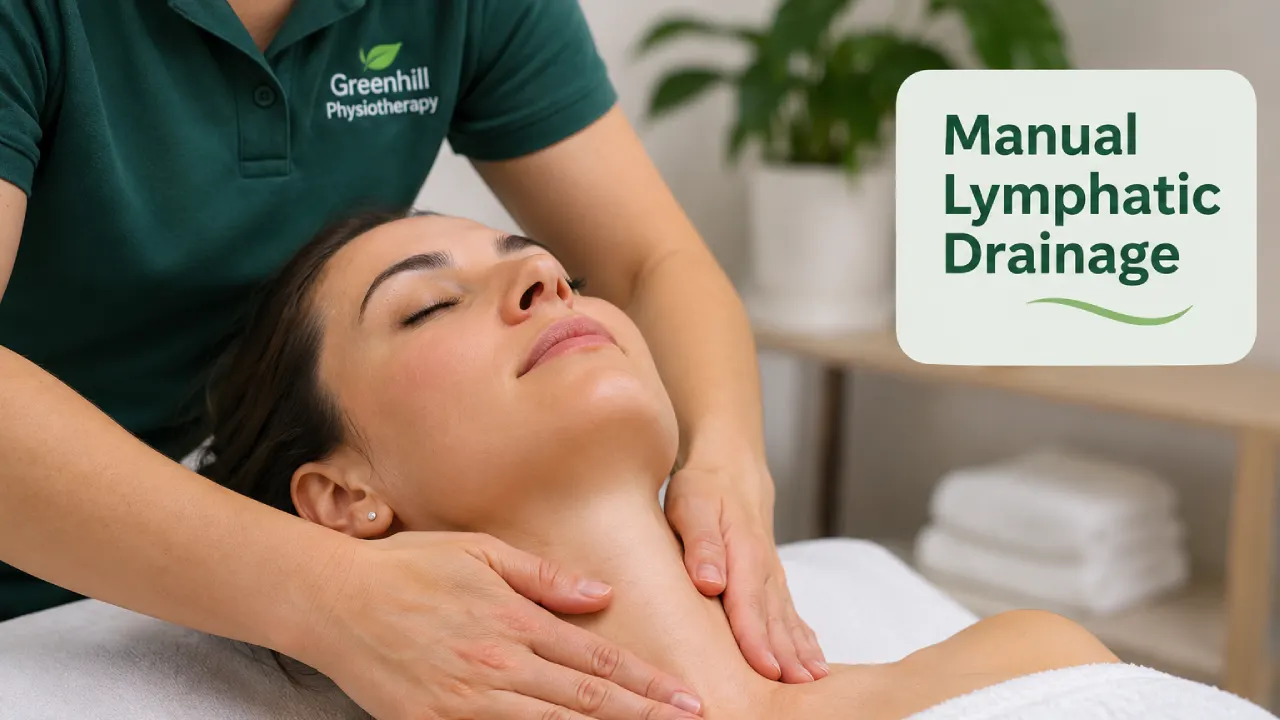
How Manual Lymphatic Drainage Accelerates Recovery After Surgery and Injury
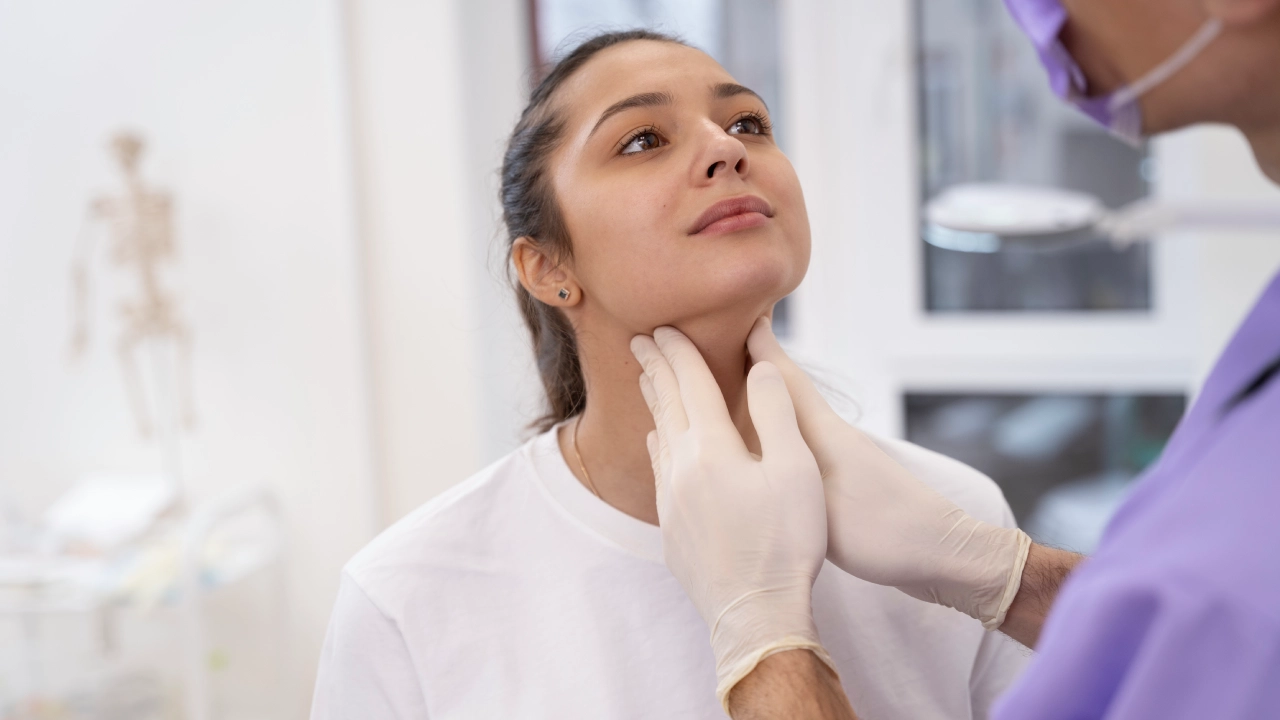
Inflammation, Swelling & Fluid Retention: How Lymphatic Care and Osteopathy Help Your Body Heal
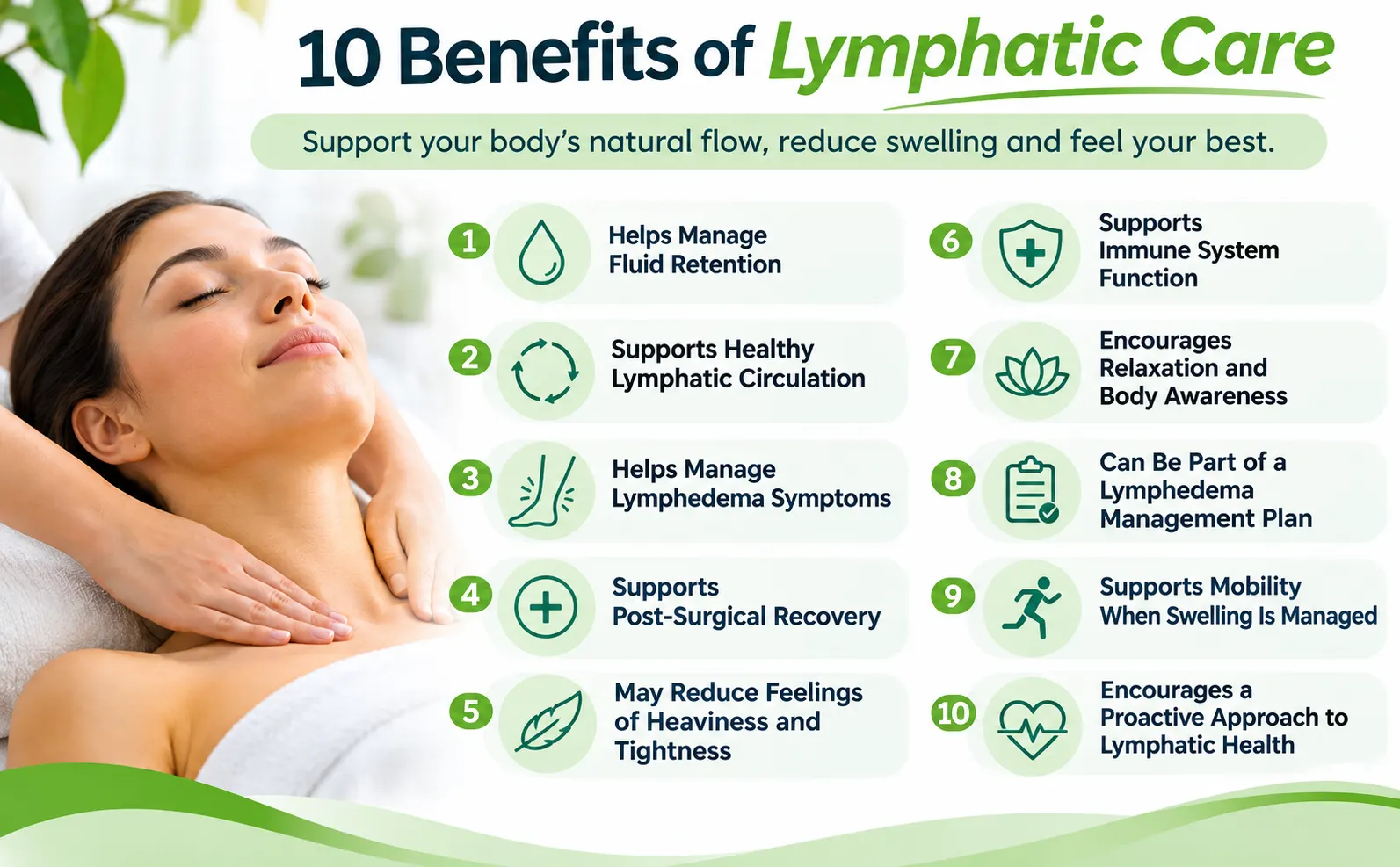
10 Benefits of Lymphatic Care in Hamilton You Should Know
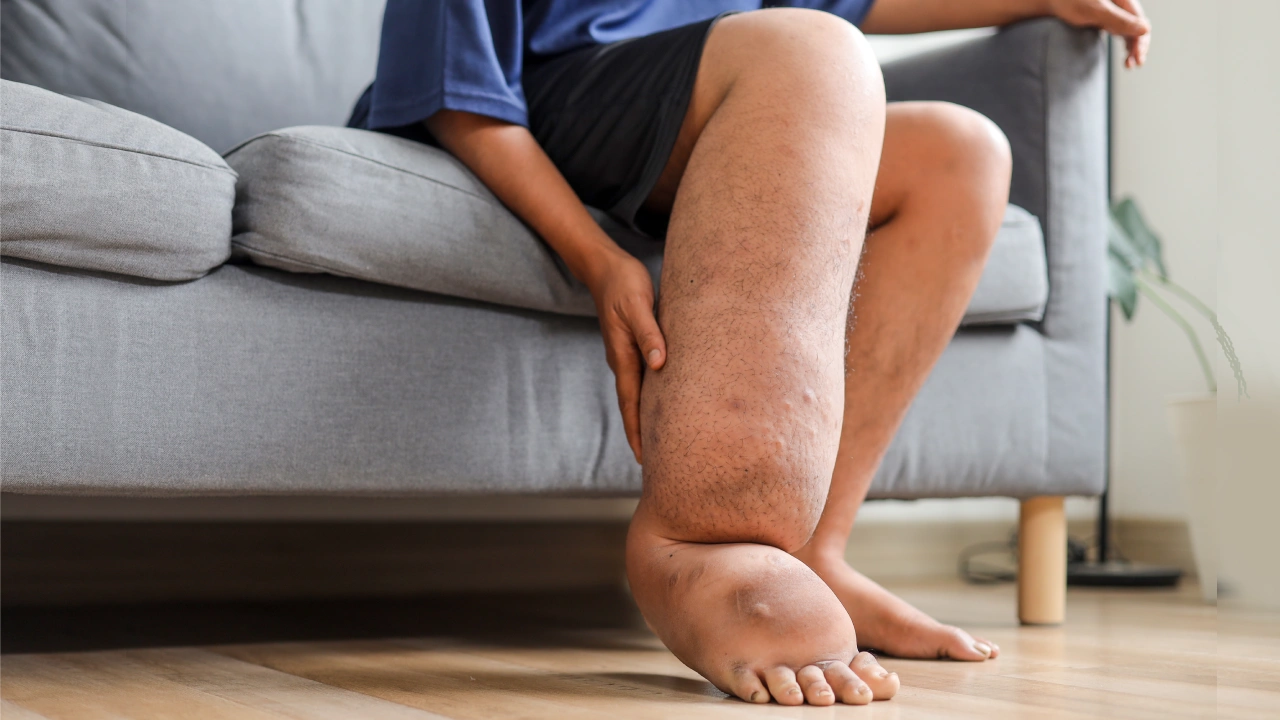
Lymphedema Therapy in Hamilton: What to Expect and How to Manage Swelling Effectively
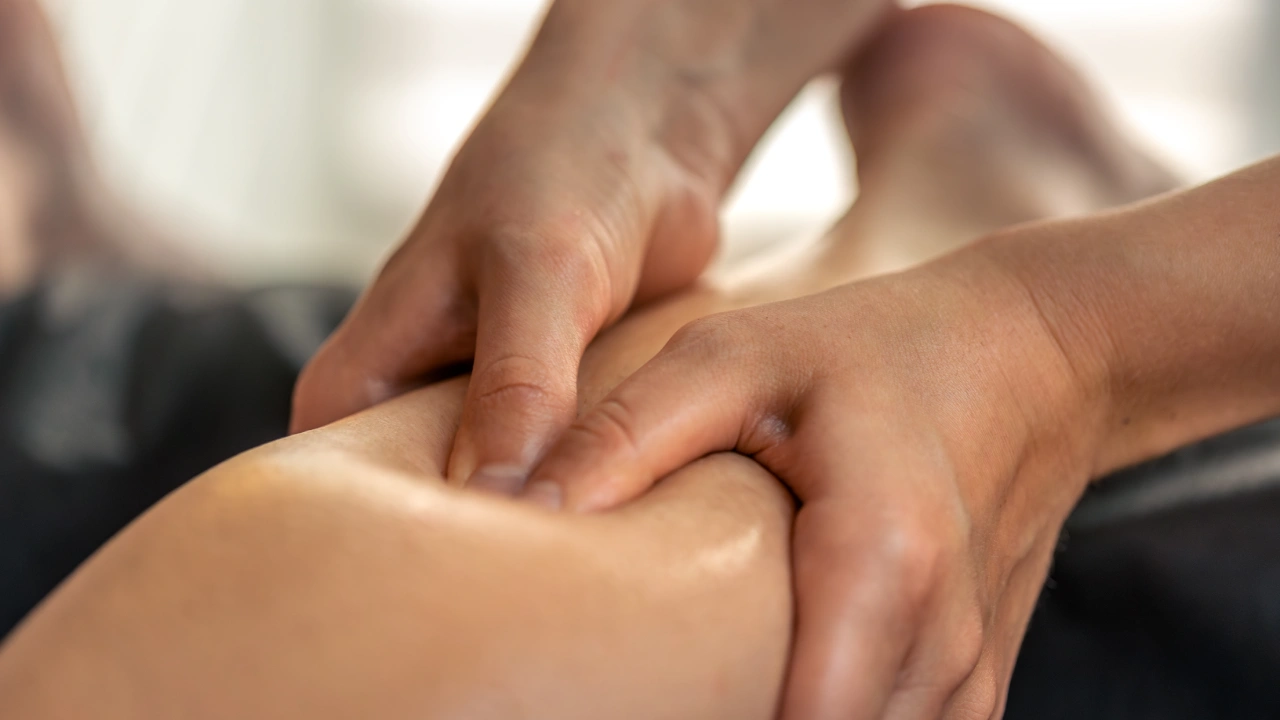
Beyond Deep Tissue: Why Manual Lymphatic Drainage Is Gaining Attention for Post-Op Recovery in Hamilton
What Is Manual Lymphatic Drainage and How Does It Work? A Guide to Manual Lymphatic Drainage in Hamilton
Have you ever noticed swelling in your arms, legs, hands, or other parts of your body that does not seem to go away? Fluid buildup can occur for several reasons, including surgery, injury, certain medical conditions, or changes in the lymphatic system. When the lymphatic system is not moving fluid as it should, it may contribute to swelling, heaviness, and discomfort during everyday activities.
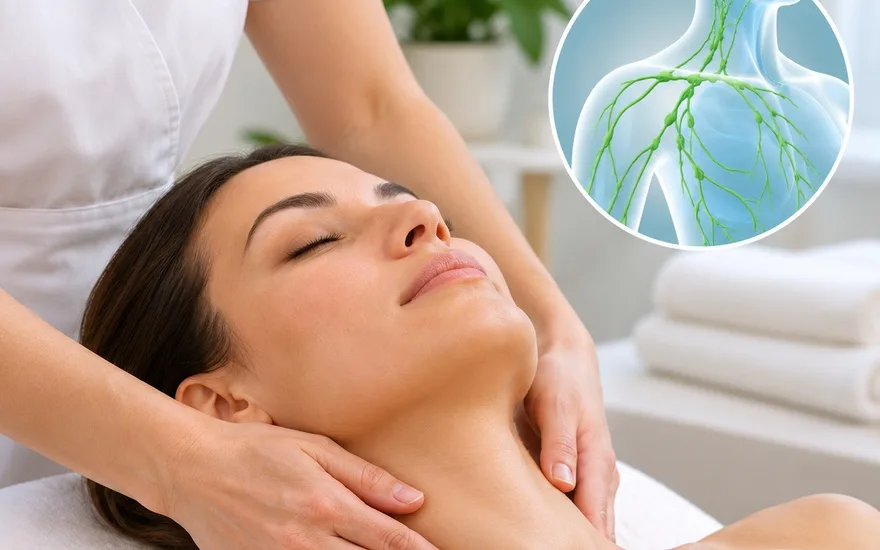
One approach that may help manage these concerns is Manual Lymphatic Drainage (MLD), a gentle, hands-on technique that encourages the movement of lymph fluid through the body’s lymphatic pathways. Unlike traditional massage, this method uses slow, rhythmic, and light pressure to work with the superficial lymphatic vessels.
For individuals looking into Manual lymphatic drainage Hamilton, learning how this technique works, who may benefit from it, and what to expect during a session can help with making informed healthcare decisions. At Wellness Flowz Lymphatic Recovery Center, lymphatic care is an important part of supporting people who are managing swelling and lymphatic health concerns.
What Is Manual Lymphatic Drainage?
Manual Lymphatic Drainage, commonly known as MLD, is a gentle massage technique that aims to encourage the natural movement of lymph fluid through the lymphatic system.
The lymphatic system is an important part of the body’s circulatory and immune systems. It consists of a network of vessels, lymph nodes, and organs that help collect excess fluid from body tissues, filter substances, and transport lymph back into the bloodstream.
When this system becomes less efficient or is affected by damage, fluid may accumulate in certain areas, resulting in swelling.
Manual Lymphatic Drainage uses specific hand movements and light pressure to stimulate the superficial lymphatic vessels. The technique follows the direction of lymph flow and works towards areas where lymph fluid can drain.
It is important to note that MLD is different from conventional massage. Rather than applying deep pressure to muscles, the practitioner uses gentle, controlled movements that work with the lymphatic system.
How Does Manual Lymphatic Drainage Work?
To understand how Manual Lymphatic Drainage works, it helps to know a little about the lymphatic system.
The lymphatic system collects excess fluid, known as lymph, from body tissues. This fluid travels through lymphatic vessels and passes through lymph nodes, where it is filtered before returning to the bloodstream.
When lymph flow is disrupted, fluid can accumulate in the surrounding tissues.
Manual Lymphatic Drainage aims to encourage fluid movement by stimulating the lymphatic vessels through a sequence of gentle movements.
The Main Steps Involved in Manual Lymphatic Drainage
A typical MLD session may involve several stages:
1. Preparing the lymphatic pathways
The practitioner begins by working around the central lymphatic areas, such as the neck and upper body, depending on the individual’s needs. This helps prepare the pathways involved in lymph drainage.
2. Applying gentle, rhythmic movements
The practitioner uses slow, repetitive movements with light pressure on the skin. These movements follow the direction of the lymphatic vessels.
3. Working with affected areas
Attention is directed towards areas where fluid accumulation or swelling is present. The sequence and technique depend on the person’s condition and lymphatic pathways.
4. Encouraging fluid movement
The movements aim to encourage lymph fluid to move towards functioning lymphatic pathways and drainage areas.
The pressure used is generally very light because many superficial lymphatic vessels are located close to the skin’s surface.
Who May Benefit from Manual Lymphatic Drainage?
Manual Lymphatic Drainage may be considered for people experiencing certain lymphatic concerns or fluid accumulation. However, its suitability depends on an individual’s health history and medical circumstances.
Some people who may be assessed for MLD include:
People Living with Lymphedema
Lymphedema is a condition involving the accumulation of lymph fluid in body tissues. It can cause swelling, heaviness, tightness, and changes in the affected area.
MLD may form part of a broader lymphedema management programme, often alongside compression garments, exercise, skin care, and other approaches recommended by a qualified healthcare professional.
Individuals Recovering from Surgery
Some surgical procedures can affect lymphatic vessels or surrounding tissues, potentially contributing to swelling.
In certain cases, a healthcare professional may recommend MLD as part of a post-operative care plan. However, treatment should only begin when the surgeon or treating practitioner confirms that it is appropriate.
People Experiencing Fluid-Related Swelling
Swelling can have several causes, including circulation problems, inflammation, injury, and underlying medical conditions.
MLD may be considered in certain cases after the cause of swelling has been assessed. It is not appropriate for every type of swelling.
Individuals Managing Chronic Lymphatic Conditions
People with ongoing lymphatic concerns may benefit from an assessment to determine whether MLD could form part of their care plan.
Regular monitoring and appropriate clinical support are important when managing chronic swelling.
Manual Lymphatic Drainage vs. Traditional Massage: What Is the Difference?
Although both techniques involve hands-on treatment, Manual Lymphatic Drainage and traditional massage have different purposes.
| Feature | Manual Lymphatic Drainage | Traditional Massage |
|---|---|---|
| Main focus | Lymphatic fluid movement | Muscles and soft tissues |
| Pressure | Very light | Light to deep, depending on technique |
| Movements | Slow and rhythmic | Varies by massage style |
| Main purpose | Support lymphatic drainage | Address muscle tension and soft-tissue concerns |
| Treatment areas | Follows lymphatic pathways | Focuses on selected muscles and tissues |
One important distinction is that deeper pressure is not necessarily more suitable for lymphatic concerns. In fact, MLD relies on gentle movements because of the location and structure of superficial lymphatic vessels.
Choosing the appropriate technique depends on the person’s symptoms, medical history, and treatment goals.
What to Expect During a Manual Lymphatic Drainage Session in Hamilton
If you are considering Manual lymphatic drainage Hamilton, knowing what happens during an appointment can help you feel more prepared.
At a lymphatic care centre such as Wellness Flowz Lymphatic Recovery Center, an appointment may involve the following stages:
Initial consultation
The practitioner may ask about your medical history, current symptoms, surgical history, and areas of swelling. This information helps determine whether MLD may be appropriate.
Assessment of the affected areas
The practitioner may assess the location and nature of swelling, skin condition, and other relevant factors.
Treatment planning
A suitable approach is selected according to your needs and any recommendations from your healthcare provider.
Manual lymphatic drainage session
The practitioner uses gentle, rhythmic hand movements following appropriate lymphatic pathways. The session may focus on specific areas depending on the assessment.
After-session discussion
You may receive suggestions about general self-care, movement, hydration, skin care, or follow-up appointments where appropriate.
Session length and frequency can vary depending on the individual’s condition and clinical recommendations.
Practical Ways to Support Your Lymphatic Health
Alongside professional care, certain everyday habits may support general lymphatic function and overall wellbeing.
Here are some practical steps to consider:
- Stay physically active: Walking, swimming, and gentle movement encourage muscle contractions that assist lymph flow.
- Maintain adequate hydration: Drinking enough water supports normal body functions.
- Follow a balanced diet: Include a variety of vegetables, fruits, whole grains, and protein sources.
- Look after your skin: Keep the skin clean and moisturised, particularly in areas affected by swelling.
- Follow compression recommendations: If compression garments have been prescribed, use them according to your healthcare provider’s instructions.
- Avoid prolonged inactivity: Take regular movement breaks if you spend extended periods sitting or standing.
- Attend scheduled assessments: Regular reviews can help monitor changes in swelling and your overall care needs.
These habits do not replace medical assessment or prescribed treatment. They are general measures that may form part of a broader lymphatic health routine.
Is Manual Lymphatic Drainage Safe for Everyone?
Manual Lymphatic Drainage is generally considered a gentle technique when performed by a practitioner with appropriate training. However, it is not suitable for everyone.
Certain medical conditions may require MLD to be postponed or avoided. These include:
- Acute infections or cellulitis.
- Suspected or untreated blood clots.
- Certain heart conditions, particularly uncontrolled heart failure.
- Acute inflammation in the affected area.
- Certain kidney conditions or other medical problems involving fluid balance.
Anyone with unexplained swelling, sudden limb swelling, redness, warmth, fever, or significant pain should seek medical assessment rather than booking a massage session first. Sudden breathlessness or chest pain requires emergency medical attention.
Before starting treatment, discuss your health history with your healthcare provider and the practitioner performing MLD.
How to Choose a Manual Lymphatic Drainage Clinic in Hamilton
Choosing a suitable clinic is an important step when considering lymphatic care.
Here are a few factors to consider:
Practitioner training: Ask about the practitioner’s education and training in lymphatic drainage techniques.
Clinical assessment: A suitable practitioner should ask about your medical history and assess whether the treatment is appropriate.
Individual treatment planning: The approach should reflect your condition, symptoms, and any medical recommendations.
Clear communication: You should feel comfortable asking questions about the technique, session process, possible outcomes, and aftercare.
Coordination with healthcare providers: For conditions such as lymphedema or post-surgical swelling, communication with your medical team can be important.
At Wellness Flowz Lymphatic Recovery Center, individuals in Hamilton can explore lymphatic care and learn more about whether Manual Lymphatic Drainage may be appropriate for their circumstances.
Frequently Asked Questions About Manual Lymphatic Drainage
How long does a Manual Lymphatic Drainage session take?
A session may take approximately 30 to 60 minutes, although the duration varies according to the treatment area, clinical needs, and practitioner recommendations.
Does Manual Lymphatic Drainage hurt?
MLD is generally gentle and should not involve deep or painful pressure. The practitioner uses light, rhythmic movements on the skin.
How many sessions of Manual Lymphatic Drainage are needed?
The number of sessions depends on the individual’s condition, the extent of swelling, and the overall care plan. Some people may require ongoing management, while others may have a shorter course of treatment.
Can Manual Lymphatic Drainage help with lymphedema?
MLD can be one component of Complete Decongestive Therapy (CDT), a recognised approach to lymphedema management. It is commonly combined with compression, exercise, skin care, and education.
Is Manual Lymphatic Drainage the same as a detox massage?
No. Manual Lymphatic Drainage is a clinical technique focused on supporting lymph movement. Claims that it removes toxins, causes weight loss, or cleanses the body should be treated with caution.
Explore Manual Lymphatic Drainage in Hamilton
Manual Lymphatic Drainage is a gentle hands-on technique that may play a role in managing certain types of swelling and lymphatic conditions. By encouraging the movement of lymph fluid through functioning lymphatic pathways, it can form part of a broader care plan for people with concerns such as lymphedema or post-surgical swelling.
Knowing how the lymphatic system works, what happens during a session, and when professional assessment is necessary can help you make informed decisions about your care.
If you are researching Manual lymphatic drainage Hamilton, Wellness Flowz Lymphatic Recovery Center is a place to explore lymphatic care options and learn whether this approach may be suitable for your needs. Speak with a qualified practitioner or healthcare provider before starting treatment.